

कौन-से wine terms taste और texture बताते हैं?
Wine tasting terminology aroma, flavour, structure और texture बताती है, अपने-आप quality नहीं। किसी wine में pronounced acidity, firm tannin या substantial body हो सकती है और फिर भी वह balanced लग सकती है, अगर उसके sensory elements एक-दूसरे को support करें। wine tasting guide इन elements को assess करने का तरीका समझाती है, जबकि wine food pairing guide बताती है कि वे food pairing को कैसे प्रभावित कर सकते हैं।
Tasting vocabulary perceived sensations और associations दर्ज करती है। Cherry, cedar, stone या cream का reference आम तौर पर बताता है कि wine taster को किस चीज की याद दिलाती है; इसका अर्थ यह जरूरी नहीं कि नामित material wine में मिलाया गया हो।
Acidity
Acidity वह freshness देने वाला component है जो wine को lively, tart या mouthwatering बना सकता है। Acidity overall impression को हल्का महसूस करा सकती है, fruit flavours को उभार सकती है और rich या fatty food के साथ contrast दे सकती है।
Acidity sourness या poor balance के समान नहीं है। Noticeable acidity वाली wine harmonious लग सकती है, जब उसकी sweetness, tannin, alcohol, flavour intensity और texture उस acidity को support करें।
Tannin
Tannin उन compounds का समूह है जो gums और tongue पर drying या grippy sensation से जुड़े होते हैं। Tannin आम तौर पर grape skins, seeds और stems के contact से आता है, और oak contact भी wine की tannic feel को प्रभावित कर सकता है।
Tannin aroma या flavour नहीं, बल्कि structural sensation है। Firm tannin wine को mouth में अधिक resistant महसूस करा सकता है, जबकि softer tannin smoother या more supple impression दे सकता है।
Body
Body mouth में wine का perceived weight और fullness है। Light-bodied wine अपेक्षाकृत delicate लगती है, जबकि full-bodied wine broader, denser या अधिक substantial महसूस होती है।
Body complete quality judgement नहीं देती। Alcohol, sugar, flavour concentration, acidity और texture सभी perceived body को प्रभावित कर सकते हैं, और lighter wine fuller wine जितनी balanced और expressive हो सकती है।
Balance
Balance acidity, tannin, sweetness, alcohol, flavour intensity और texture के बीच relationship है। Balanced wine में ये elements overall sensory impression से ध्यान नहीं भटकाते।
Balance contextual होती है, uniform नहीं। Sweet wine और dry wine दोनों balanced हो सकती हैं, भले ही sweetness और acidity का उनका proportion बहुत अलग महसूस हो।
Finish
Finish वह flavour, aroma और texture है जो wine निगलने या थूकने के बाद बना रहता है। Long finish में ये impressions बने रहते हैं, जबकि short finish जल्दी fade हो जाती है।
Finish शुरुआती taste से अलग emphasis दिखा सकती है। Fruit पीछे हट सकता है, जबकि tannin, acidity, spice, bitterness या savoury notes अधिक noticeable रह सकते हैं।
Aroma
Aroma tasting से पहले और tasting के दौरान wine से महसूस होने वाली scent है। Citrus, cherry, herbs, flowers या cedar जैसी aroma descriptions sensory associations बताती हैं, bottle में मौजूद ingredients को जरूरी नहीं।
Wine के air के संपर्क में आने या glass में गर्म होने पर aroma बदल सकती है। Aroma को describe करने वाले शब्द interpretive होते हैं, इसलिए अलग tasters समान sensation के लिए अलग comparisons चुन सकते हैं।
Flavour
Flavour tasting के दौरान taste, aroma और mouthfeel का combined impression है। Flavour description resemblance बताती है और यह guarantee नहीं करती कि नामित fruit, spice, herb या अन्य material wine बनाने में इस्तेमाल हुआ था।
Flavour में fruit, floral, herbal, earthy, savoury, spicy या oak-associated impressions हो सकते हैं। इन impressions की intensity और persistence पर अलग से चर्चा की जा सकती है, इस बात से अलग कि taster को वे personally पसंद हैं या नहीं।
Minerality
Minerality एक tasting term है, जिसे stony, saline, smoky या chalk-like जैसे शब्दों से describe किया जाता है। Minerality subjective sensory vocabulary है, wine में minerals की मात्रा का standard measurement नहीं।
इसलिए wine को mineral कहने वाली note को perceived character के description की तरह पढ़ना चाहिए। यह term अपने-आप यह साबित नहीं करती कि किसी खास soil component का flavour के रूप में सीधे wine में transfer हुआ है।
Texture
Texture mouth में wine का tactile feel है। Silky, creamy, rough, waxy, smooth और grippy इसके लिए इस्तेमाल होने वाले शब्दों के उदाहरण हैं।
Texture को tannin, acidity, residual sugar, lees contact, oak contact और अन्य winemaking decisions shape कर सकते हैं। Texture term physical sensation बताती है और इसे aroma, origin या quality पर complete statement नहीं मानना चाहिए।
कौन-से wine terms बताते हैं कि wine कैसे बनाई गई है?
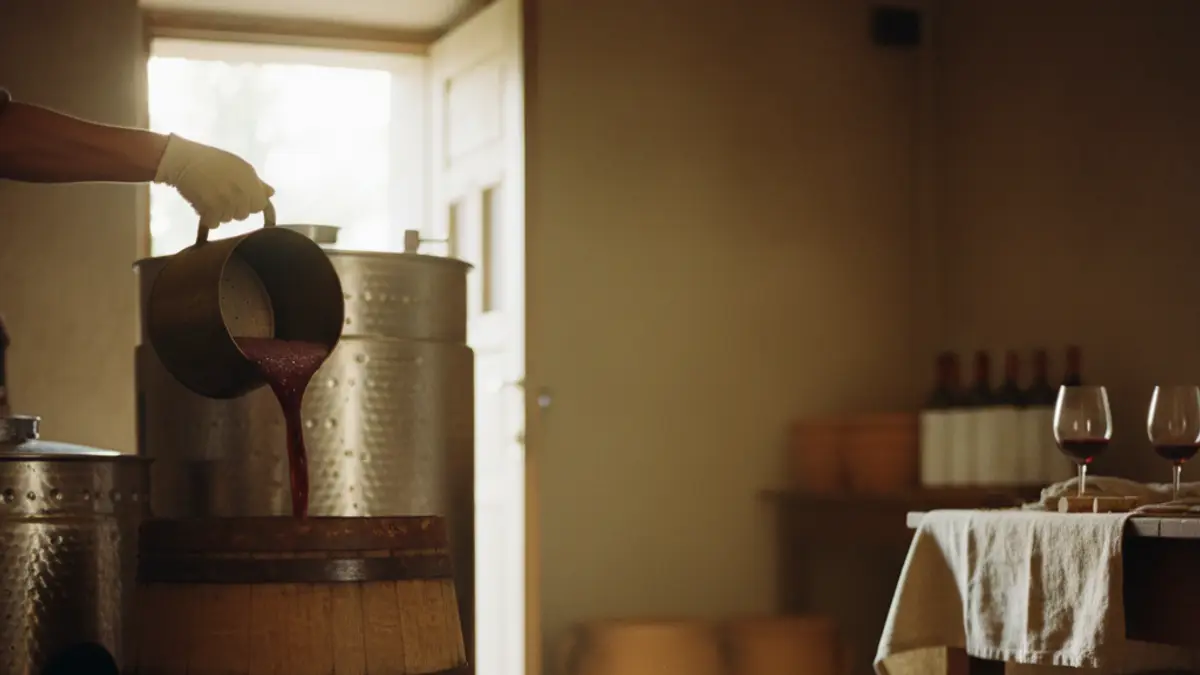
Winemaking terminology उन processes को identify करती है जो wine के aroma, flavour, texture, clarity, stability और style को shape कर सकते हैं। Production term अपने-आप quality नहीं बताता, क्योंकि result grapes, producer's decisions और finished wine के development पर भी निर्भर करता है। complete guide to wine grapes उस grape material को समझाती है, जिससे ये processes शुरू होती हैं।
Winemaking terms को technique के descriptions की तरह समझना चाहिए। Fermentation transformation बताती है, maceration grape solids के contact को और oak ageing oak से जुड़े maturation को; इनमें से कोई भी हर bottle में किसी खास taste की guarantee नहीं देता।
Fermentation
Fermentation वह process है जिसमें yeast grape sugars को alcohol और अन्य compounds में बदलता है। Fermentation conditions और yeast activity fruit expression, aroma, texture और finished wine की overall style को प्रभावित कर सकते हैं।
Fermentation sweetness से अलग है। Fermentation रुकने या उपलब्ध sugar के पूरी तरह convert होने से पहले रोक दिए जाने पर wine में grape sugar बच सकती है, जबकि continued fermentation drier sensory result दे सकती है।
Malolactic fermentation
Malolactic fermentation sharper malic acid को softer lactic acid में बदलने की bacterial conversion है। इससे acidity rounder लग सकती है और कुछ wines में buttery aromatic impressions आ सकते हैं।
Malolactic fermentation alcoholic fermentation से अलग है, क्योंकि conversion bacteria करते हैं और इसका principal sensory consequence acidity से जुड़ा होता है। इसका effect prominent, subtle या wine की अन्य characteristics से अलग करना कठिन हो सकता है।
Maceration
Maceration grape juice या fermenting wine और solid grape material के बीच contact है। Maceration colour, tannin, aroma और flavour extract कर सकती है, खासकर तब जब dark-skinned grapes skins के contact में रहें।
Maceration शब्द contact बताता है, guaranteed result नहीं। Grape solids से निकला character fruit, contact की प्रकृति और producer की broader winemaking choices पर निर्भर करता है।
Lees
Lees fermentation के बाद बची settled yeast और अन्य fine material है। Wine को lees के contact में रखने से savoury complexity, fuller texture और bread या yeast से जुड़े aromas मिल सकते हैं।
Lees का reference maturation के दौरान material और contact बताता है, grape variety या place of origin नहीं। Sensory result wine और producer के lees management के अनुसार बदल सकता है।
Bâtonnage
Bâtonnage wine के mature होने के दौरान lees को stir करना है। Bâtonnage lees contact से जुड़ी creamy, rounded या textural impression बढ़ा सकती है।
Bâtonnage एक specific cellar technique है, लेकिन यह शब्द finished wine के creamy taste की guarantee नहीं देता। Acidity, grape character, vessel choice और lees contact की duration तथा method result को प्रभावित कर सकते हैं।
Fining
Fining wine में suspended material हटाने या उसकी appearance और texture के कुछ aspects बदलने के लिए processing aid का इस्तेमाल है। Bottling से पहले fining wine को clearer या more stable बनाने में मदद कर सकती है।
Fining statement production choice बताती है, quality grade नहीं। किसी particular processing aid की जानकारी चाहने वाले readers producer से पूछें, क्योंकि fining term इस्तेमाल किए गए material की पहचान नहीं बताती।
Filtration
Filtration wine को ऐसे material से गुजारना है जिसे particles या microorganisms हटाने के लिए बनाया गया हो। Filtration visual clarity और stability सुधार सकती है, हालांकि producers इसे अलग-अलग तरीकों से apply करते हैं।
Filtered और unfiltered production descriptions हैं, automatic quality indicators नहीं। Unfiltered wine में visible sediment रह सकता है, जबकि filtration अलग उद्देश्यों और intervention levels के साथ की जा सकती है।
Oak ageing
Oak ageing oak vessels या oak material के साथ wine का maturation है। Oak ageing spice, toast, vanilla या cedar से जुड़े impressions दे सकती है और wine के develop होने पर texture बदल सकती है।
Oak-ageing statement oak influence की हर detail नहीं बताती। Glass में महसूस होने वाला character oak, vessel, prior use, contact conditions और underlying wine पर भी निर्भर करता है।
Blending
Blending अलग grapes, sites, vessels या production lots की wines को final wine में मिलाना है। Blending consistency, balance, complexity या recognisable producer style को support कर सकती है।
Blend किसी particular grape या site से identified wine से अपने-आप inferior या superior नहीं होती। यह term केवल बताती है कि finished wine present किए जाने से पहले अलग components को साथ मिलाया गया था।
कौन-से wine terms बताते हैं कि wine कहां से आती है?
Wine origin terminology wine को किसी place से जोड़ती है, लेकिन हर origin term में legal या geographic specificity का अलग level हो सकता है। Appellation regulated origin name है, जबकि region wine production से जुड़ा geographic area है। guide to wine appellations regulated origin systems समझाती है और guide to understanding terroir place और wine character के relationship को देखती है।
Origin language को संबंधित label को govern करने वाले system के अनुसार check करना चाहिए। Place name broad region, protected designation, recognised vineyard area या producer के source claim की पहचान कर सकता है, और ये uses interchangeable नहीं हैं।
Terroir
Terroir vineyard की natural setting, growing conditions और local human interpretation का wine पर combined influence है। इसमें soil, climate, topography, exposure, site conditions और growers द्वारा उस setting के जवाब में किए गए choices शामिल हो सकते हैं।
Terroir place-related character पर चर्चा करने का concept है, कोई single measurable ingredient नहीं। इसलिए terroir claim को site, growing conditions और human practice के relationships के account की तरह पढ़ना चाहिए।
Appellation
Appellation एक legally defined origin name है, जिसके इस्तेमाल से जुड़े rules होते हैं। Applicable system के अनुसार appellation rules geographic origin, permitted grapes, production practices या अन्य conditions से संबंधित हो सकते हैं।
Appellation regulated origin बताती है, guaranteed flavour या quality experience नहीं। एक ही appellation वाली wines अलग हो सकती हैं, क्योंकि producers, sites, grapes, harvest conditions और winemaking decisions अलग हो सकते हैं।
Region
Region wine production से जुड़ा geographic area है। Region में appellations, subregions, vineyards और producers हो सकते हैं, लेकिन region शब्द अपने-आप किसी particular regulated category की पहचान नहीं करता।
Regional name फिर भी climate, grapes और local styles के बारे में useful context दे सकता है। Readers को यह नहीं मानना चाहिए कि हर regional reference पर appellation जैसे legal requirements लागू होते हैं।
Protected designation of origin
Protected designation of origin EU origin designation है, जो किसी specified place और product के rules से जुड़ी होती है। EU labels पर इस्तेमाल होने वाली protected designations of origin European Commission के eAmbrosia database में registered हैं।
EU label पर दिखाई देने वाली protected designation of origin registered है या नहीं, यह check करने के लिए European Commission का eAmbrosia database reference register है। Registration protected name की पुष्टि करती है; applicable product specification उसके इस्तेमाल की relevant conditions देती है।
Protected geographical indication
Protected geographical indication EU origin designation है, जो applicable rules के तहत product को specified geographical area से जोड़ती है। EU labels पर इस्तेमाल होने वाली protected geographical indications European Commission के eAmbrosia database में registered हैं।
European Commission का eAmbrosia database reader को registered protected geographical indication और केवल geographic सुनाई देने वाली wording में फर्क करने देता है। फिर भी registered name को particular taste की guarantee के बजाय उसकी applicable product specification के अनुसार समझना चाहिए।
Vintage
Vintage wine में इस्तेमाल grapes का stated harvest year है। Vintage महत्वपूर्ण हो सकती है, क्योंकि growing और harvest conditions बदलती हैं और इससे ripeness, acidity, concentration तथा producer को उपलब्ध style प्रभावित होती है।
Vintage statement harvest timing बताती है, bottling timing या quality rank नहीं। इसका practical महत्व region, grape, producer और wine के प्रकार पर निर्भर करता है।
Estate bottled
Estate bottled एक label claim है, जिसमें wine को named estate या producer द्वारा made और bottled बताया जाता है। Estate-bottled wording को govern करने वाली conditions wine पर लागू law और labelling system पर निर्भर करती हैं।
Estate bottled को universal quality grade नहीं मानना चाहिए। यह claim applicable rules के तहत production responsibility या location से संबंधित है, guaranteed sensory result से नहीं।
Single vineyard
Single vineyard एक source claim है, जो named vineyard को wine का origin बताता है। Single-vineyard claim का regulated meaning और supporting requirements jurisdictions और origin systems के बीच अलग हो सकते हैं।
Single-vineyard claim site character पर ध्यान दिला सकती है, लेकिन superior quality अपने-आप साबित नहीं करती। Readers check कर सकते हैं कि vineyard name formally recognised है या नहीं और संबंधित producer source को कैसे explain करता है।
Cru
Cru कुछ regional systems में recognised vineyard area, origin category या quality classification के लिए इस्तेमाल होने वाला term है। Cru का precise meaning तभी होता है जब इसे इस्तेमाल को govern करने वाले regional classification system के भीतर पढ़ा जाए।
एक region के cru term को दूसरे region के cru term के समान नहीं मानना चाहिए। सही interpretation named origin system के rules और hierarchy से मिलती है।
कौन-से wine terms sweetness और alcoholic strength बताते हैं?
Wine sweetness और alcoholic strength अलग characteristics हैं। Sweetness largely remaining grape sugar से बनी sensory impression है, जबकि alcoholic strength label पर व्यक्त alcohol की मात्रा है। sweet versus dry wine guide sweetness styles को समझने के लिए और context देती है।
Fruit aroma को sugar sweetness से confuse नहीं करना चाहिए। Dry wine में ripe fruit की strong smell हो सकती है, जबकि sweet wine में pronounced acidity भी हो सकती है, जिससे उसकी sweetness कम heavy महसूस होती है।
Dry
Dry ऐसी wine style है जिसमें perceptible sweetness बहुत कम या बिल्कुल नहीं होती। Dry sensory sweetness बताता है और इसका अर्थ यह नहीं कि wine में fruit aroma, flavour intensity, acidity या tannin नहीं है।
Dry wine ripe fruit जैसी smell या taste दे सकती है, क्योंकि fruit character और sugar sweetness अलग sensations हैं। Acidity भी mouth में wine के dry लगने को प्रभावित कर सकती है।
Off-dry
Off-dry ऐसी wine style है जिसमें noticeable लेकिन restrained sweetness होती है। Off-dry wine में remaining sugar और acidity आम तौर पर साथ होती हैं, इसलिए sweetness overall balance पर हावी नहीं होती।
Off-dry style description है, हर labelling system में precise sugar level की universal guarantee नहीं। यह term मुख्यतः बताती है कि कुछ sweetness महसूस हो सकती है।
Sweet
Sweet ऐसी wine style है जिसमें sugar sweetness स्पष्ट sensory feature होती है। Sweetness को acidity, bitterness, tannin, alcohol या concentrated flavour balance कर सकते हैं।
Sweet का अर्थ simple या freshness से रहित नहीं है। Sweet wine में pronounced acidity रह सकती है और complex fruit, floral, savoury या mature aromas भी हो सकते हैं।
Residual sugar
Residual sugar वह grape sugar है जो fermentation रुकने या रोक दिए जाने के बाद wine में बचती है। Residual sugar sweetness में योगदान देती है, हालांकि acidity, alcohol, aroma, serving conditions और flavour concentration wine के sweet लगने को प्रभावित कर सकते हैं।
Residual sugar perceived sweetness के समान नहीं है। समान analytical sugar वाली wines अलग sensory impressions दे सकती हैं, जब उनकी acidity और अन्य structural elements अलग हों।
Alcohol by volume
Alcohol by volume finished wine में alcohol content को proportion के रूप में label पर व्यक्त करता है। EUR-Lex Commission Delegated Regulation (EU) 2019/33 प्रकाशित करता है, जिसके तहत label पर stated alcoholic strength analysis के मुकाबले 0.5% vol की tolerance रखती है, या कुछ categories के लिए 0.8% vol।
Commission Delegated Regulation (EU) 2019/33 के तहत EUR-Lex द्वारा प्रकाशित tolerance का अर्थ है कि labelled alcoholic strength को analytical precision का unrestricted claim नहीं समझना चाहिए। Alcohol by volume strength बताता है, sweetness, body, origin या quality नहीं।
Fortified wine
Fortified wine वह wine है जिसकी alcoholic strength distilled spirit मिलाकर बढ़ाई गई हो। Fortified wine dry या sweet दोनों हो सकती है, इसलिए fortification अपने-आप residual sugar या perceived sweetness तय नहीं करती।
Fortification का timing और purpose style को प्रभावित कर सकता है। इसलिए fortified wine बताने वाला label production category बताता है, complete tasting description नहीं।
Dosage
Dosage disgorgement के बाद कुछ traditional-method sparkling wines में किया जाने वाला measured addition है। Dosage sweetness और acidity के final relationship को प्रभावित कर सकती है।
Dosage का reference production step बताता है, पूरा sensory profile नहीं। Grape character, acidity, maturation और अन्य production decisions भी finished sparkling wine के sweet या dry लगने को shape करते हैं।
Brut
Brut sparkling-wine sweetness designation है, जिसे wine के market या origin पर लागू rules के तहत समझा जाता है। Brut आम तौर पर dry style बताता है, लेकिन precise classification महत्वपूर्ण होने पर relevant regulatory context देखना चाहिए।
Brut grape variety, production quality या place of origin का statement नहीं है। Brut sparkling wine acidity, fruit character, texture और maturity में काफी अलग हो सकती है।
कौन-से wine terms faults और storage problems बताते हैं?
Wine fault और storage terminology intended style को unwanted change, contamination या damage से अलग करती है। Wine fault आम तौर पर ऐसी unintended condition है जो freshness, fruit, balance या producer के intended character को ढक देती है। Storage terminology महत्वपूर्ण है, क्योंकि heat, light, closure performance और oxygen exposure bottling के बाद wine को बदल सकते हैं।
Fault recognition में judgement शामिल हो सकता है। कुछ aromas particular styles में accepted या deliberately retained होते हैं, जबकि वही aromas किसी दूसरी wine में fault माने जा सकते हैं, जब वे dominate करें या fruit और origin character को mask करें।
Cork taint
Cork taint एक wine fault है, जो अक्सर damp cardboard या mouldy cellar जैसी musty aromas से जुड़ी होती है। Cork taint fruit expression दबा सकती है और wine को unpleasant scent के साथ muted या flat बना सकती है।
Cork taint को wine में तैरते harmless cork pieces से confuse नहीं करना चाहिए। यह term sensory contamination बताती है, जिसका effect obvious mustiness से लेकर aroma के कम conspicuous loss तक हो सकता है।
Oxidation
Oxidation wine के oxygen के excessive exposure से होने वाला change है। जब यह intended न हो, तो oxidation fresh fruit character को dull कर सकती है और bruised-apple, nutty, stale या browned impressions ला सकती है।
Oxidation हमेशा fault नहीं होती, क्योंकि कुछ wine styles production या maturation के दौरान oxygen का जानबूझकर इस्तेमाल करती हैं। Oxygen-related change intended style या bottle condition से conflict करे, तब यह term fault बताती है।
Reduction
Reduction limited oxygen exposure और sulphur-related aromatic compounds से जुड़ी condition है। Reduction struck match, rubber, cabbage या अन्य pungent materials जैसी aromas बना सकती है, और कुछ reduced aromas air contact के बाद कम हो सकती हैं।
Reduction को oxidation से अलग समझना चाहिए, क्योंकि दोनों अलग conditions बताते हैं। Reduced wine को air देने का effect बदल सकता है, इसलिए air contact हर reductive aroma का guaranteed remedy नहीं है।
Volatile acidity
Volatile acidity wine acidity का वह हिस्सा है जो pronounced होने पर vinegary या solvent-like aromas बना सकता है। Restrained expression unobtrusive या stylistically accepted हो सकती है, जबकि excessive volatile acidity fruit और अन्य aromas पर हावी हो सकती है।
Volatile acidity aroma-related condition होने के साथ acidity का aspect भी है। इसे कई wine styles में चाही जाने वाली fresh, mouthwatering structural acidity से confuse नहीं करना चाहिए।
Brettanomyces
Brettanomyces एक yeast है, जो barnyard, leather, clove या medicinal जैसी aromas से जुड़ी होती है। कई producers Brettanomyces को fault मानते हैं, जब इसकी aromas fruit, freshness या site character को mask करती हैं।
Brettanomyces पर responses अलग हो सकते हैं, क्योंकि कुछ tasters restrained savoury character स्वीकार करते हैं लेकिन dominant expression नहीं। यह term yeast और उसके संभावित sensory consequences की पहचान करती है, हर affected wine पर universal judgement नहीं।
Heat damage
Heat damage excessive heat में wine के store या transport होने से होने वाली deterioration है। Heat damage ageing तेज कर सकती है और cooked aromas, leakage, closure movement या बदला हुआ colour ला सकती है।
Heat damage की पुष्टि केवल bottle appearance से हमेशा नहीं हो सकती। Compromised bottle में physical warning signs दिख सकते हैं, लेकिन wine प्रभावित हुई है या नहीं यह तय करने के लिए sensory assessment फिर भी जरूरी हो सकती है।
Lightstrike
Lightstrike light-caused wine fault है, जो cooked cabbage या wet wool जैसी aromas से जुड़ी होती है। Clear या pale glass में रखी wine के strong light exposure में Lightstrike खास concern है।
Lightstrike heat damage से अलग है, हालांकि खराब display या storage wine को दोनों risks में डाल सकते हैं। यह term specifically light exposure से शुरू हुए chemical change से संबंधित है।
Ullage
Ullage bottle के अंदर wine और closure के बीच की खाली जगह है। असामान्य रूप से बड़ा ullage evaporation, leakage, closure failure या storage के दौरान oxygen exposure का संकेत दे सकता है।
Ullage indicator है, proof नहीं कि wine faulty है। Bottle format, wine age, closure और storage history से यह प्रभावित हो सकता है कि fill level को कैसे समझना चाहिए।
Sulphites
Sulphites sulphur dioxide और winemaking तथा preservation से जुड़े related compounds के लिए common label term है। European Commission द्वारा प्रकाशित EU labelling threshold के अनुसार contains sulphites phrase total sulphur dioxide के 10 mg per litre पर लागू होती है।
Contains sulphites phrase label पर दिखनी चाहिए या नहीं, इससे संबंधित European Commission की EU threshold 10 mg per litre है; यह phrase किसी particular bottle में मौजूद exact amount नहीं बताती। इसलिए sulphites declaration को required allergen information की तरह पढ़ना चाहिए, winemaking या wine quality का complete account नहीं।
कौन-से wine label terms technical के बजाय promotional हो सकते हैं?
कुछ wine label terms scarcity, craft, selection या superior quality का संकेत देती हैं, लेकिन shared production method, origin category या taste profile identify नहीं करतीं। Reserve, old vines, hand-crafted और boutique को producer claims मानना चाहिए, जब तक संबंधित label को govern करने वाली authority term का defined meaning न दे।
Promotional wine terminology जरूरी नहीं कि false या useless हो। Producer अपनी range में genuine distinction बताने के लिए ऐसी language इस्तेमाल कर सकता है, लेकिन अकेली wording उस distinction के criteria disclose नहीं करती। Readers origin, grape source, production, maturation और label के लिए responsible authority के बारे में supporting details देख सकते हैं।
Reserve
Reserve label term है, जो producer की range में selection, maturation या elevated status का संकेत देती है। Reserve अपने-आप universal production method, ageing requirement या quality standard identify नहीं करती।
Reserve claim तब सबसे informative होती है जब producer या applicable origin authority उसके पीछे की conditions समझाए। उस context के बिना reserve को complete technical description के बजाय positioning language की तरह पढ़ना चाहिए।
Old vines
Old vines label term है, जो grapes को mature vines से आया हुआ प्रस्तुत करती है। Old vines अपने-आप कोई standard vine age नहीं बताती और यह भी नहीं समझाती कि vine maturity verify कैसे की गई।
Old-vines claim useful producer context दे सकती है, खासकर जब vineyard और planting history दी गई हो। यह phrase अकेले concentration, quality, rarity या particular flavour की guarantee नहीं देती।
Hand-crafted
Hand-crafted marketing term है, जो wine production के दौरान manual attention का संकेत देती है। Hand-crafted consistent vineyard या cellar practices identify नहीं करती, जब तक producer यह न बताए कि कौन-सा काम हाथ से किया गया।
Manual work कई stages पर हो सकता है, जिनमें vineyard management, harvesting, sorting और cellar handling शामिल हैं। इसलिए hand-crafted claim तब अधिक meaningful होती है जब general phrase पर निर्भर रहने के बजाय relevant practice का नाम दिया जाए।
Boutique
Boutique marketing term है, जो small, distinctive या specialised wine producer का संकेत देती है। Boutique अपने-आप production scale, ownership, quality level या wine style establish नहीं करती।
Boutique claim producer की desired positioning बता सकती है, लेकिन claim की substance evaluate करने के लिए readers को additional information चाहिए। Producer history, vineyard sources और production details अधिक specific evidence देते हैं।
Premium
Premium marketing term है, जो producer की range या market category में wine को superior position करती है। Premium अपने-आप regulated production standard, sensory threshold या origin category identify नहीं करती।
Premium claim price positioning, fruit selection, packaging, production choices या brand strategy reflect कर सकती है। Term को technical distinction मानने से पहले label पर अधिक specific evidence देखना चाहिए।
Special selection
Special selection marketing term है, जो preferred grapes, wine lots या finished wines के selected होने का संकेत देती है। Producer supporting details न दे, तो special selection selection criteria नहीं समझाती।
यह claim vineyard parcels, tasting decisions, maturation vessels या किसी अन्य internal process का reference हो सकती है। Phrase general होने के कारण readers को producer statement देखना चाहिए, जो बताए कि क्या और क्यों select किया गया।
Cellar selection
Cellar selection marketing term है, जो बताती है कि maturation, tasting या blending के दौरान wine पर particular attention दिया गया। Cellar selection अपने-आप consistent production practice identify नहीं करती।
इसका अर्थ producer के अनुसार बदल सकता है, क्योंकि phrase chosen barrels, tanks, production lots या finished bottles का reference हो सकती है। Claim को technically interpret करने से पहले supporting production information जरूरी है।
Limited release
Limited release marketing term है, जो restricted availability का संकेत देती है। Limited release अपने-आप यह नहीं समझाती कि availability grape supply, production choice, distribution, packaging या brand strategy के कारण restricted है।
Limited-release claim accurate हो सकती है, बिना superior quality स्थापित किए। Phrase general terms में availability बताती है और इसे protected origin, grape source या production standard से confuse नहीं करना चाहिए।
निष्कर्ष
Wine glossary तब सबसे useful होती है जब sensory terminology, production terminology, origin terminology, sweetness terminology, strength terminology, fault terminology और promotional terminology को अलग रखा जाए। Acidity, tannin, body, finish, aroma और texture बताते हैं कि wine कैसी perceive होती है। Fermentation, malolactic fermentation, lees contact, filtration, oak ageing और blending बताते हैं कि wine कैसे बनाई जाती है। Appellation regulated origin name है, जबकि region broader geographic description; EU labels पर इस्तेमाल होने वाली protected designations of origin और protected geographical indications European Commission के eAmbrosia database में registered हैं। Dry little or no perceptible sweetness बताता है, जबकि alcohol by volume labelled strength बताता है। EUR-Lex Commission Delegated Regulation (EU) 2019/33 प्रकाशित करता है, जिसके तहत labelled alcoholic strength analysis के मुकाबले 0.5% vol की tolerance रखती है, या कुछ categories के लिए 0.8% vol। Cork taint, oxidation, lightstrike और heat damage unwanted conditions बताते हैं, जो bottle को प्रभावित कर सकती हैं। European Commission द्वारा प्रकाशित EU labelling threshold के अनुसार contains sulphites phrase total sulphur dioxide के 10 mg per litre पर लागू होती है। Reserve, old vines, hand-crafted, boutique और similar expressions को producer claims मानना चाहिए, जब तक संबंधित label को govern करने वाली authority इनका defined meaning न दे। हर term को interpret करने से पहले classify करने पर sensory description को production fact, geographic reference को quality guarantee या promotional wording को regulated standard मानने का risk कम होता है।
प्राथमिक स्रोत
इस पेज का हर आँकड़ा उसी संस्था से लिया गया है जिसका नाम उसे बताने वाले वाक्य में दिया गया है। हर आँकड़ा यहाँ जाँचें: