Wine Regions of the World
From the sun-drenched hillsides of Burgundy to the valley floors of Napa — explore every major wine region, the grape varieties that define them, and the wines they produce.
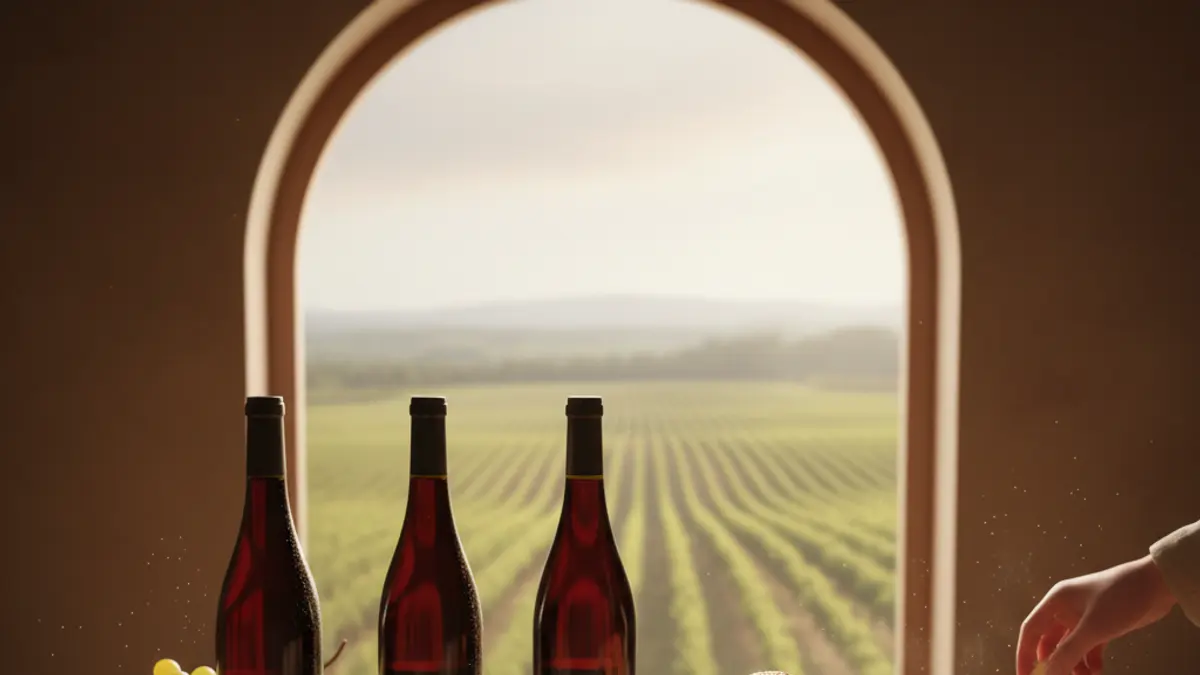
Alsace
Sheltered by the Vosges mountains, Alsace produces aromatic varietals in tall flute bottles, with a strong Germanic influence.
Explore region →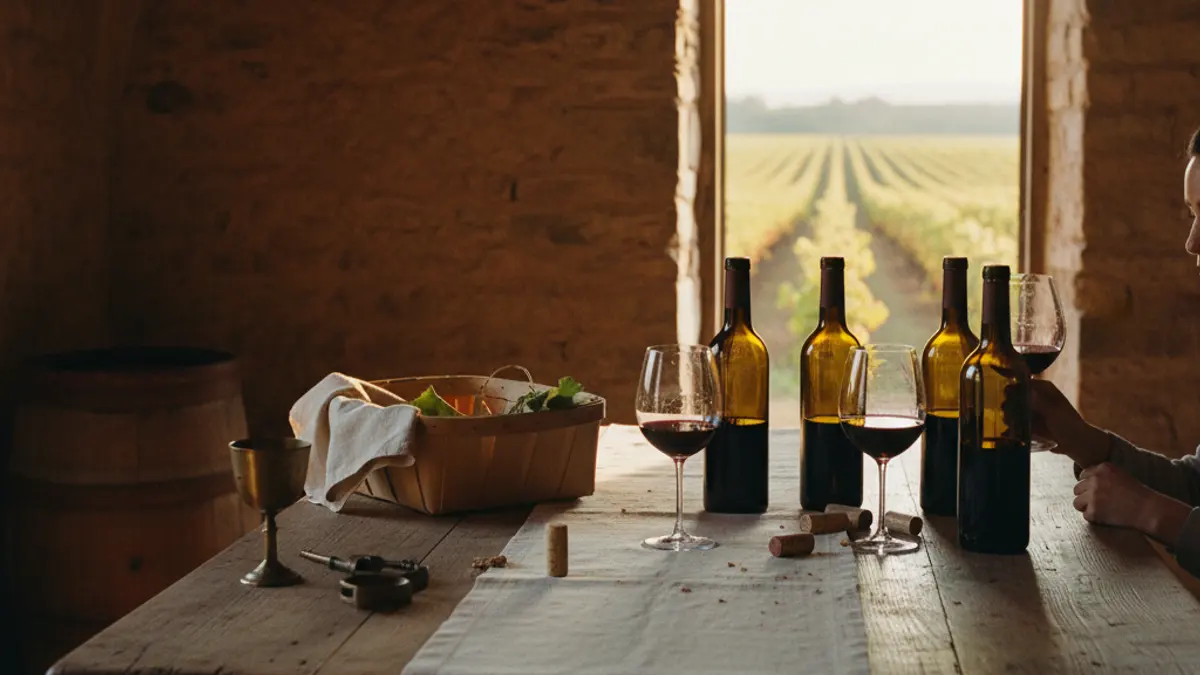
Bordeaux
The world's most famous wine region, producing structured red blends from the Left and Right Banks of the Gironde estuary.
Explore region →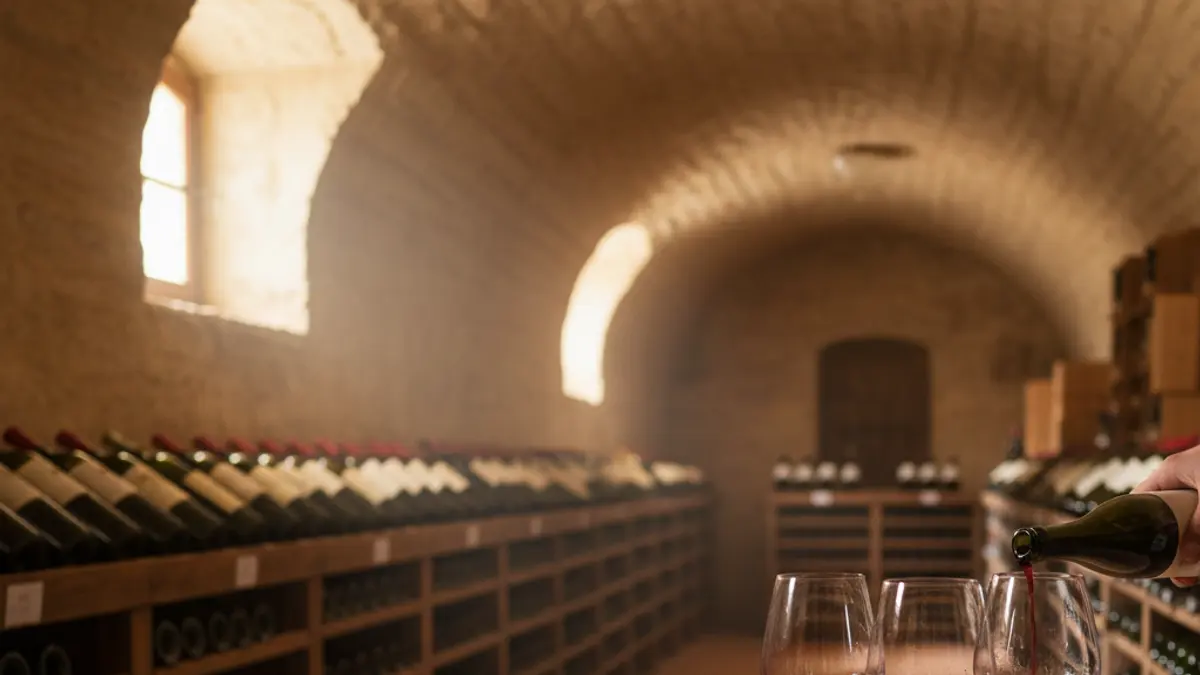
Burgundy
Revered for single-vineyard Pinot Noir and Chardonnay expressing terroir through a classified system of village, premier cru, and grand cru.
Explore region →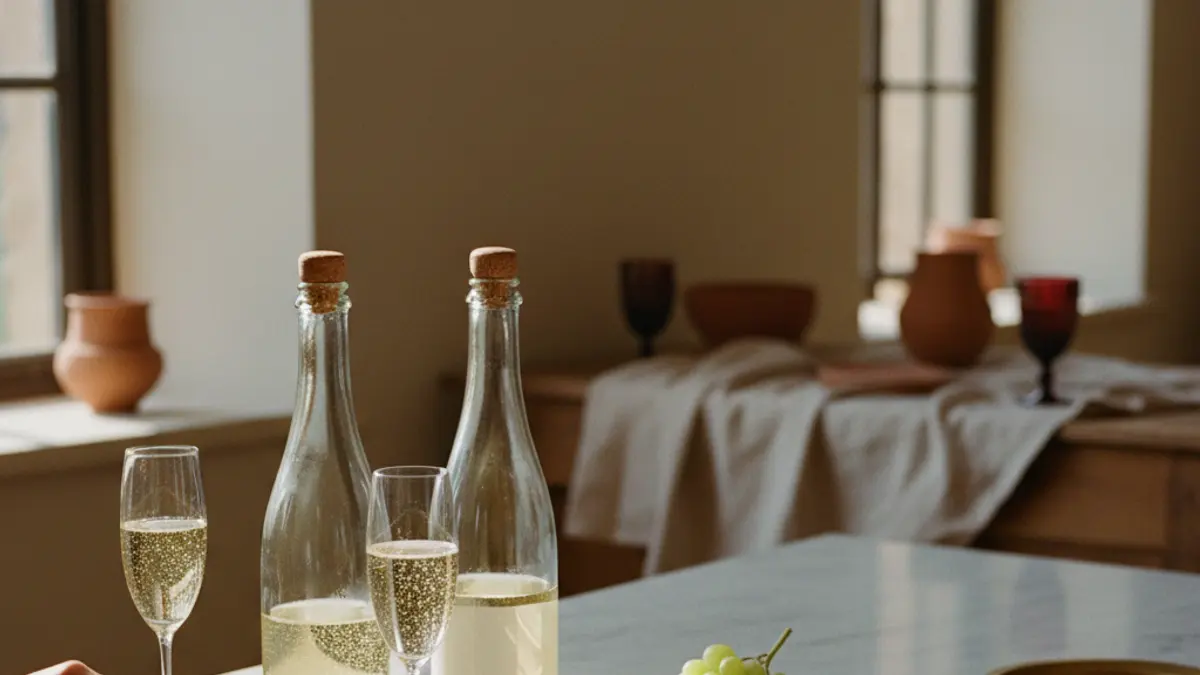
Champagne
The birthplace of sparkling wine, where chalky soils and cool climate create the world's benchmark for méthode traditionnelle.
Explore region →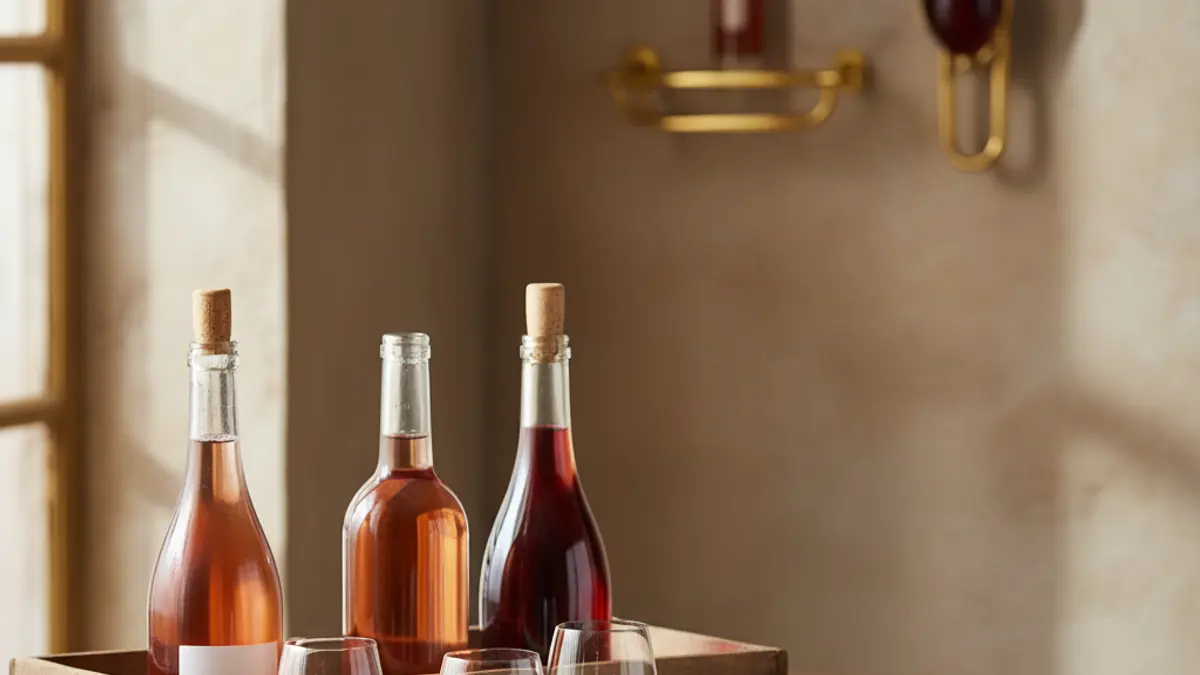
Languedoc-Roussillon
France's largest wine region by volume, increasingly producing quality wines from ancient vines in rugged Mediterranean terroir.
Explore region →
Loire Valley
France's garden, producing vibrant Sauvignon Blanc in Sancerre, age-worthy Chenin Blanc in Vouvray, and elegant Cabernet Franc in Chinon.
Explore region → Provence
The world's rosé capital, where pale, dry, and elegant pink wines dominate production along the Mediterranean coast.
Explore region →
Rhône Valley
Stretching from the steep granite slopes of Côte-Rôtie in the north to the sun-baked garrigue of Châteauneuf-du-Pape in the south.
Explore region → Baden
Germany's southernmost and warmest region, bordering Alsace, with a focus on Burgundian varieties and full-bodied styles.
Explore region → Mosel
Vertiginous slate slopes along the Mosel river producing Germany's most elegant and racy Rieslings with laser-sharp acidity.
Explore region → Pfalz
Germany's warmest and second-largest wine region, producing riper, more generous Rieslings and excellent Pinot varieties.
Explore region → Rheingau
Historic region along the Rhine known for structured, full-bodied dry Rieslings and increasingly respected Pinot Noir.
Explore region →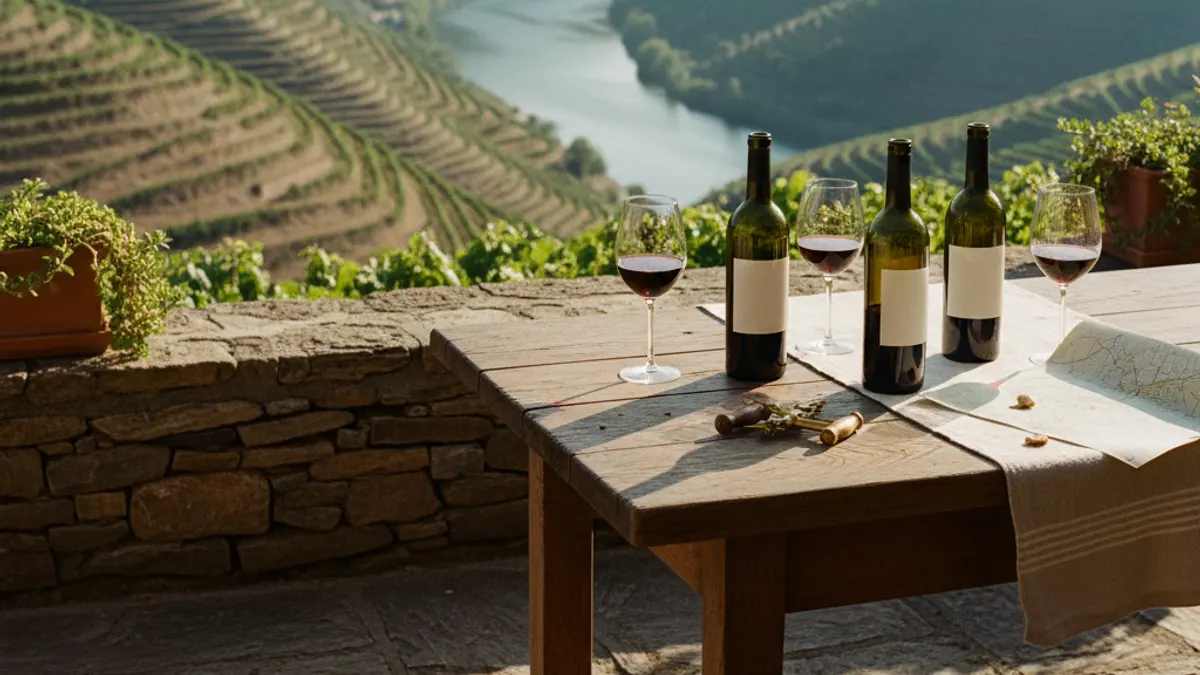
Alentejo
Portugal's sun-drenched southern plains producing generous, fruit-forward reds and increasingly refined whites.
Explore region → Douro Valley
UNESCO-listed terraced vineyards along the Douro river, birthplace of Port wine and increasingly acclaimed for still reds.
Explore region → Dão
Granite-soiled region in central Portugal producing refined, balanced wines that reward aging, led by Touriga Nacional and Encruzado.
Explore region → Vinho Verde
The green northwest of Portugal producing light, often slightly effervescent whites with crisp acidity and low alcohol.
Explore region →
Jerez (Sherry)
The home of Sherry, where the solera aging system and unique flor yeast create one of the wine world's most diverse and complex styles.
Explore region →
Priorat
One of only two Spanish DOCa regions, where old-vine Garnacha grows in steep slate (llicorella) terraces producing powerful, mineral wines.
Explore region → Ribera del Duero
High-altitude vineyards along the Duero river producing concentrated, structured Tempranillo with intense fruit and firm tannins.
Explore region → Rioja
Spain's most prestigious wine region, famous for oak-aged Tempranillo wines classified by aging duration.
Explore region →
Rías Baixas
Galicia's Atlantic coast region, famed for fresh, aromatic Albariño whites with salinity and stone-fruit character.
Explore region → Hampshire
Home to some of England's largest and most established sparkling wine producers, benefiting from chalk downland soils.
Explore region → Kent
The Garden of England, with a growing number of vineyards producing award-winning sparkling wines and aromatic Bacchus whites.
Explore region → Sussex
England's premier sparkling wine region, where chalky South Downs soils mirror Champagne's terroir and produce world-class fizz.
Explore region →
Finger Lakes
New York State's premier wine region, where deep glacial lakes moderate the climate for world-class cool-climate Riesling.
Explore region → Napa Valley
America's most celebrated wine region, where mountain and valley floor vineyards produce world-class Cabernet Sauvignon at every price…
Explore region → Paso Robles
Central California's rising star, with extreme diurnal temperature swings producing concentrated, expressive reds at compelling value.
Explore region → Sonoma County
Napa's more diverse neighbor, with 18 AVAs spanning fog-cooled coastal Pinot Noir to warm inland Zinfandel and Cabernet.
Explore region → Willamette Valley
Oregon's flagship region and America's Pinot Noir heartland, producing elegant, Burgundian-style wines from volcanic and sedimentary soils.
Explore region →Why Wine Regions Matter
A wine's region tells you more than its label. Climate, soil type, altitude, and centuries of winemaking tradition all converge in a single bottle. Understanding where a wine comes from is the fastest way to predict whether you'll love it.
VinSip's AI sommelier draws on regional knowledge to give you instant, personalized recommendations — whether you're scanning a shelf in a Paris cave or browsing a restaurant list in New York.
Read our wine guides →
Point your camera at any wine label. VinSip identifies the region, grape, and vintage — then tells you if it matches your taste.
Identify Wine — Free No account needed · Free on iOS & AndroidGet the VinSip App
Scan wine labels, get instant identification, and receive personalized recommendations from your AI sommelier.
Free on iOS & Android. No account required.What is a wine region, and how is it different from an appellation?
A wine region is a geographic area planted to vines and recognised as producing a recognisable kind of wine. An appellation is the legal instrument that fixes its boundary and writes down the rules: which grapes may be planted inside it, what the maximum yield per hectare is, what the minimum alcoholic strength must be, and what the resulting wine may be called on a label.
The distinction matters when you are reading a bottle. "Burgundy" as a region and "Bourgogne" as an appellation are not the same claim: the first is geography, the second is a legal statement that the wine met a specification. In the European Union those specifications are recorded in the Commission's eAmbrosia register, which is public and searchable by name.
The 29 regions listed on this page cover 6 countries. Each page states the grapes actually planted there and the styles the region produces, rather than a ranking, because a region is not a quality tier.
Does an appellation on the label guarantee a good wine?
No. An appellation is a floor, not a promise. It certifies that a wine was made inside a defined boundary from permitted grapes under a permitted method, and a wine can satisfy every one of those conditions and still be dull. The system was built to stop a producer in one place selling wine as though it came from another, and it does that job well; it was never built to sort good wine from bad.
The practical consequence is that the producer matters more than the appellation for anything you are actually going to drink. Two bottles from the same appellation, the same vintage and the same price bracket can differ more than two bottles from different countries, because within the boundary the rules leave enormous latitude in yield, picking date, extraction and oak.
Where an appellation does earn its keep is as a style guarantee. A wine labelled with a given designation will usually taste recognisably like that designation, because the rules constrain the grapes and the ripeness. That is worth something when you are choosing without tasting.
Why do some famous regions have several overlapping names?
Appellation systems are usually built as nested hierarchies, so a single vineyard can legally sit inside three or four designations at once, from a broad regional one down to a single named site. A producer then chooses which level to declare, and the choice is commercial as much as technical: declaring at a narrower level is a stronger claim and a smaller permitted yield.
That is why a label can carry a village name you cannot find on a map of the region, or a region name on a wine grown at its edge. Neither is a trick. Reading a label well means recognising which level of the hierarchy the producer chose to stand on.
How to use these region pages
Each region page states the grapes planted there, the styles produced, the terroir factors that shape them and what to eat with the result, and closes with a summary written to be read on its own. They are reference pages rather than travel writing: no page here ranks producers, scores wines or recommends a vintage to buy.
If you are trying to work out what a specific bottle is, the region page tells you what to expect from the designation on the label. If you are trying to work out where to buy it, the city directories are the other half of this site — they list the shops, bars and restaurants that carry these wines, with published opening hours and the local rules on buying alcohol.