
| Attribute | Value |
|---|---|
| Country | Spain |
| Principal grapes | Tempranillo, Garnacha, Graciano, Mazuelo, Viura |
| Styles produced | Aged red (Crianza, Reserva, Gran Reserva), White, Rosé |
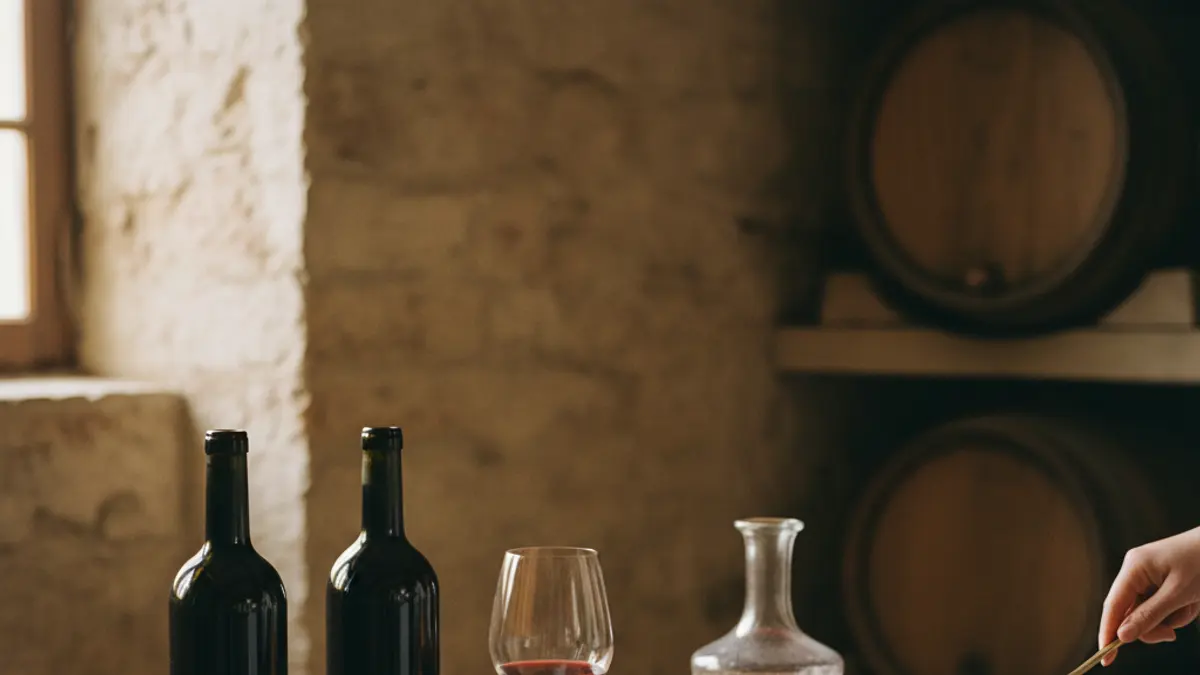
Wine Region
Rioja Wine Region — Spain's Premier Oak-Aged Tempranillo Country
Spain
Rioja is Spain’s most prestigious wine region, best known for oak-aged Tempranillo blends classified by strict aging categories: Crianza, Reserva and Gran Reserva. The DOCa Rioja spans three sub-regions — Rioja Alta, Rioja Alavesa and Rioja Oriental (formerly Baja) — each with distinct soils and elevations that shape ripeness and acidity. Primary grapes are Tempranillo, Garnacha, Graciano and Mazuelo for reds, with Viura dominant among whites. Producers such as López de Heredia, La Rioja Alta, CVNE, Muga and Marqués de Murrieta exemplify traditional barrel aging—often in American oak—while newer names like Roda and Baigorri emphasize temperature-controlled fermentation and French oak. Typical harvest runs from late September through October; Rioja Alta and Alavesa harvest later at higher elevations. The regional identity centers on balanced, ageworthy reds with cedar, leather and dried cherry tones from oak interaction, plus dry whites ranging from fresh Viura to barrel-aged Rioja Blanco. For enthusiasts planning a visit or a cellar allocation, Rioja delivers a clear lineage of style and a broad price-to-quality ladder.
Wine styles
Aged red (Crianza, Reserva, Gran Reserva)WhiteRosé
Key grapes
TempranilloGarnachaGracianoMazueloViura
What makes the terroir of Rioja different?
Rioja’s terroir is a mosaic shaped by the Ebro River and three sub-zones. Rioja Alta, centered around Haro and Briones at 500–700 m elevation, has cooler Atlantic influence, higher rainfall (often 550–700 mm/year) and calcareous clay over limestone that preserves acidity and yields structured wines. Rioja Alavesa, with medieval Laguardia and Elciego, sits on Jurassic limestone and poor calcareous clay at 400–700 m; soils drain well and favor late-season aromatics. Rioja Oriental (formerly Baja) east of Logroño is warmer and drier (roughly 300–450 mm/year) with alluvial terraces, ferrous clay (barro ferruginoso) and stonier sites that produce riper, higher-alcohol Garnacha and Tempranillo.
Frost risk in late spring and summer heat spikes influence vine spacing and yields: growers in Alavesa and Alta prune for later budburst and use higher trellises on calcareous sites. Harvest timing reflects these differences—Alta and Alavesa commonly pick in early to mid-October, Oriental often in late September. The mix of alluvial gravels, limestone subsoil and iron-rich clay, combined with Atlantic and Mediterranean climatic influences, explains Rioja’s capacity for balanced fruit, firm tannin structure and oak integration.
Which grapes are grown in Rioja?
Tempranillo is Rioja’s backbone. Locally it expresses as savory red cherry, tobacco, leather and cedar when matured in oak; in Rioja Alta it retains higher acidity and firm tannins suitable for Reserva and Gran Reserva. Producers like López de Heredia and La Rioja Alta show Tempranillo’s long-aging potential through extended barrel and bottle élevage.
Garnacha (Grenache) brings ripe red fruit, spice and higher alcohol; in Rioja Oriental its thicker skins and sun-exposure yield plush, jammy notes used to soften blends or produce varietal rosados. Graciano is a low-yielding, aromatic variety—floral and spicy with high natural acidity—frequently added in small percentages to boost lift and longevity (look for its presence in older CVNE and Muga bottlings).
Mazuelo (Carignan) contributes color, acidity and rustic tannin, especially from older bush vines on stony plots. For whites, Viura (Macabeo) ranges from crisp, citrus-driven joven styles to barrel-aged Rioja Blanco; Marqués de Murrieta’s Capellanía is a classic oak-aged Viura example showing nutty, oxidative complexity.
What wine styles and appellations come from Rioja?
Rioja is regulated as DOCa Rioja and subdivided into Rioja Alta, Rioja Alavesa and Rioja Oriental. Wines are grouped by aging categories rather than strict appellational crus: Joven (minimal oak), Crianza (red: minimum two years aging with at least six months in oak), Reserva (three years total with at least one year in oak) and Gran Reserva (five years total, typically a minimum of two years in oak and three in bottle). These rules shape style more than single-vineyard naming.
Style range spans fresh rosados and joven whites to oak-aged blancas and the full spectrum of reds: light, fruit-driven Garnacha or Tempranillo joven; mid-tier Crianza and Reserva that dominate the market; and long-lived Gran Reservas from top houses. Price tiers typically run entry-level supermarket Rioja ($8–15 USD / €7–13), solid Reserva/Crianza bottles from established bodegas ($18–40 / €15–35), and prestige single-vineyard or historic-cellar Gran Reservas ($40–250+ / €35–230). Look for village and producer names—Haro, Laguardia, Marqués de Murrieta, López de Heredia, Roda—to identify quality intent.
Can you visit wineries in Rioja, and how?
Best seasons to visit are late spring (May–June) for mild weather and autumn (September–October) during the vendimia, when many bodegas offer harvest experiences. Haro’s Barrio de la Estación remains the pilgrimage point—CVNE, Muga, La Rioja Alta and López de Heredia are clustered there with historic cellars. Laguardia and Elciego (home to Marques de Riscal’s Frank Gehry winery) showcase medieval villages with tasting rooms built into cellars.
Access is straightforward: Logroño is the regional hub (about 3–3.5 hours by car/train from Madrid and 1–1.5 hours from Bilbao). Many bodegas require appointments; reserve ahead for cellar tours at López de Heredia, Marqués de Murrieta and modern sites like Baigorri in Samaniego. Activities include guided tastings, barrel-cellar walks, vendimia participation, and scenic vineyard cycling routes around Laguardia and the Ebro valley.
What food goes with wine from Rioja?
Rioja cuisine evolved with its wines—robust, savory dishes that handle oak and tannin. Classic matches include roast lamb (cordero asado or cordero al chilindrón) and kid (cabrito) with Reserva or Gran Reserva Tempranillo. Patatas a la riojana (potato and chorizo stew) pairs well with juicy Garnacha-based wines and Crianza. For whites, oak-aged Viura complements bacalao al pil-pil or hake with garlic; joven Viura brightens sardines and seafood pintxos in Logroño.
For specific pairings, try a López de Heredia Viña Tondonia Reserva Blanca with bacalao or Marqués de Murrieta Capellanía with grilled hake; a Gran Reserva from La Rioja Alta is an ideal foil to slow-roasted lamb or Iberian pork cheeks braised in Rioja sauce.
Bottom line
Rioja is a wine region in Spain, planted mainly to Tempranillo, Garnacha, Graciano, Mazuelo and Viura, and known for aged red (crianza, reserva, gran reserva), white and rosé.
If you are buying a bottle from here for the first time, the grape on the label tells you more than the vintage does: Tempranillo is what the region is built on, and a producer's entry-level bottling from a good address is a more reliable introduction than a cheap bottle from a famous one.
Appellation rules define what may be planted, how much may be harvested per hectare and what the wine may be called — they are a legal boundary, not a quality rating. A bottle carrying the appellation is a bottle that met the rules, which is a floor and not a promise.
For the detail behind this summary, the guides linked from this page cover A Practical Guide to Full Bodied Red Wine, Wine Pairing: How to Match Wine with Food and How to Taste Wine: A Practical Wine Tasting Guide.
Primary sources: European Commission — eAmbrosia, the EU register of geographical indications · Regulation (EU) 2021/2117 — wine labelling, ingredients and nutrition