
Wine fundamentals: acidity, tannin, sweetness and body
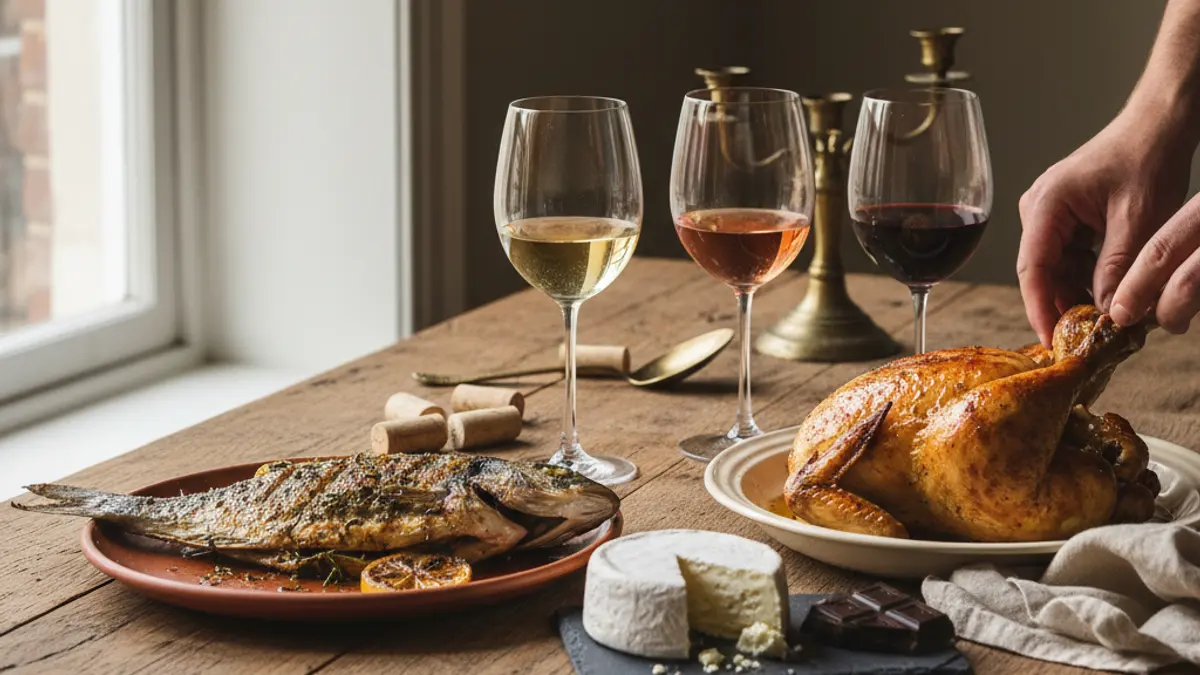
Start pairing by understanding four building blocks: acidity, tannin, sweetness and body. Acidity (think Sancerre or Albariño) cleanses the palate and lifts citrus, tomato or vinaigrette-driven dishes. Tannins (present in Cabernet Sauvignon, Nebbiolo and many Bordeaux) interact with fat and protein, softening when matched with steak or aged cheeses. Sweetness in a wine, as in Riesling or Tokaji, balances spicy heat and salty richness. Body—light, medium or full—guides proportion: a heavy sauce needs a fuller wine.
Practical examples help. A 2019 Sancerre from Domaine Vacheron (approx. $25–40) pairs with goat cheese and lemony dressings because its high acidity brightens creamy textures. By contrast, a Napa Cabernet (for example Château Montelena Cabernet Sauvignon, often $40–90) with firm tannins stands up to grilled ribeye and rich reductions. For an off-dry counterpoint to spicy Thai food, try a 2018 Mosel Riesling from producers like Dr. Loosen or Trimbach—prices commonly $20–35.
Keep tasting: move from lighter to heavier wines across a meal; note how salt increases perceived fruitiness while acid makes food taste fresher. These fundamentals let you predict good wine matches more often than you miss.
Classic matches and why they work
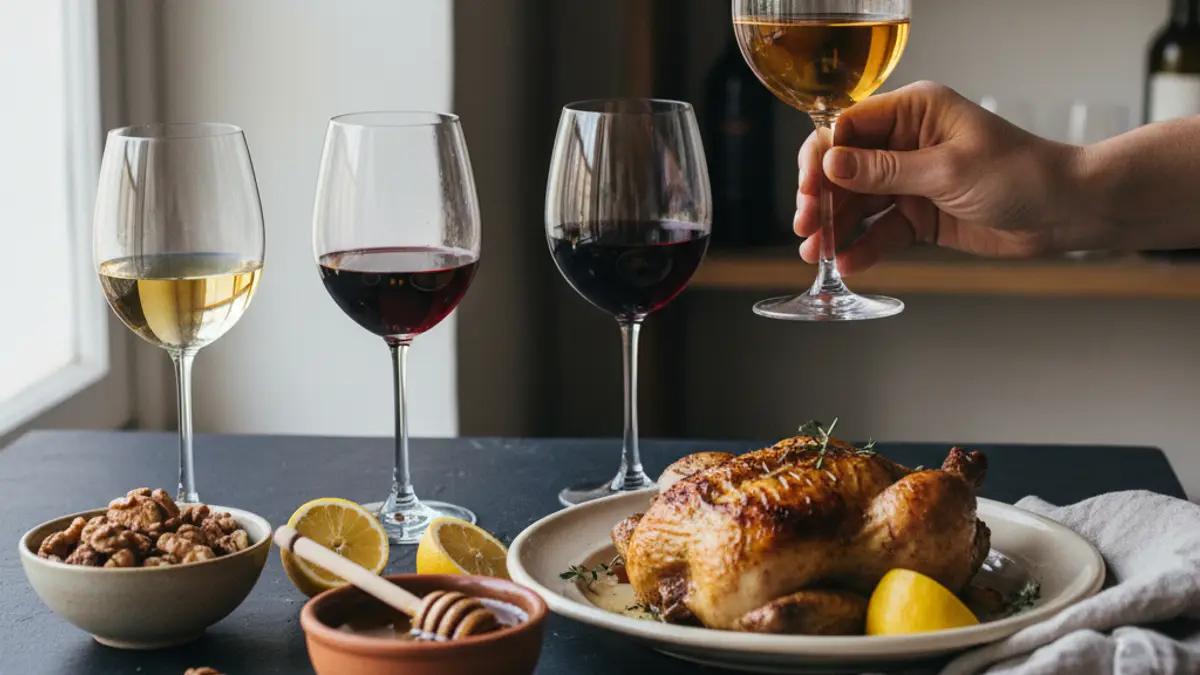
Classic pairings exist because of complementary structure and flavor. Steak and Cabernet works because tannins bind with protein and fat, softening the wine’s grip and amplifying savory meat. Pinot Noir and salmon pair because the moderate tannins and bright red-fruit profile do not overpower the fish’s texture. Sparkling wine—Champagne or Cava—pairs with salty, fried foods because bubbles reset the palate and the acidity cuts fat.
Examples: a bottle of Veuve Clicquot Brut (around $40–60) elevates oysters or fried chicken; a Willamette Valley Pinot Noir, such as Domaine Drouhin (roughly $35–60), pairs elegantly with seared salmon; and an Argentine Malbec like Catena Zapata (about $20–40) complements chimichurri-grilled flank steak. In Italy, Barolo (e.g., Paolo Scavino, $50–120) stands with braised beef or mushroom risotto because its high tannin and complex aromatics match rich umami.
Traditional pairings are a starting point, not rules. Think of them as proven templates: substitute regionally available wines with similar acid, tannin and body to create a successful wine match when the exact label isn’t on hand.
Pairing by flavor profile: spice, sweet, bitter and umami
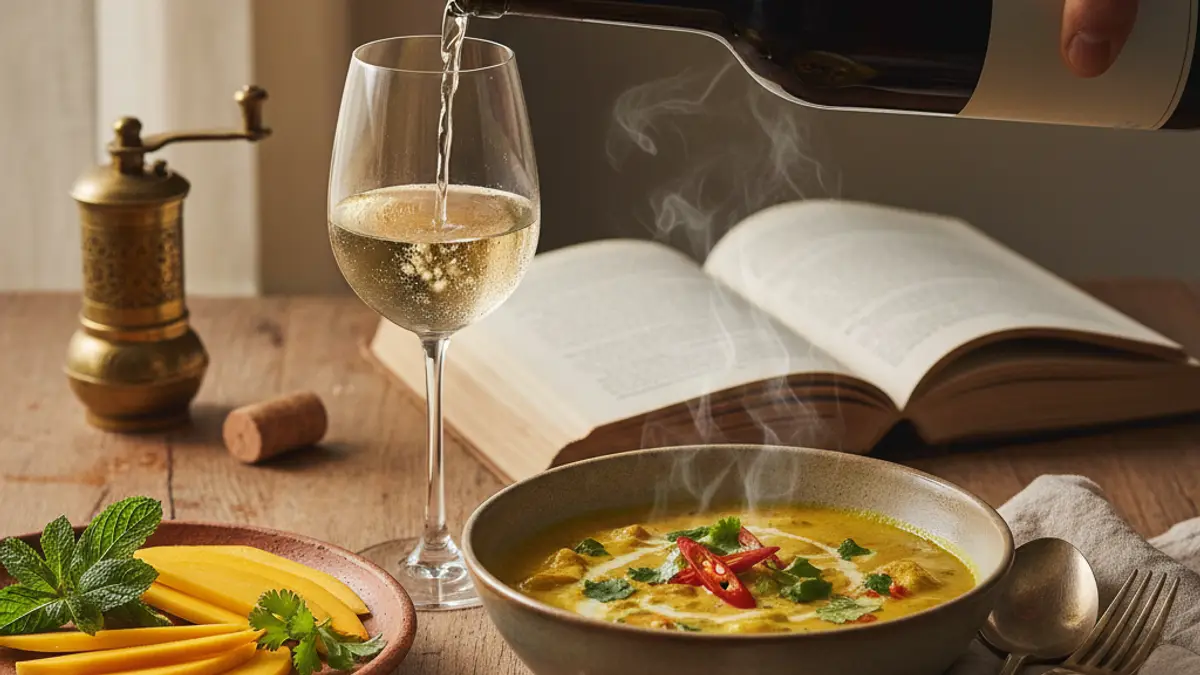
Food flavors—spicy heat, sweetness, bitterness and umami—call for specific wine responses. Spicy dishes benefit from off-dry or lower-alcohol wines that cool the palate: Riesling Kabinett from Mosel or a Gewürztraminer from Alsace (Trimbach or Zind-Humbrecht, $25–60) will calm chili heat. Sweet dishes need wines of equal or greater sweetness; late-harvest Riesling or Sauternes match rich desserts and foie gras.
For bitter or highly roasted flavors, look for acid to lift or tannin to complement. Espresso-rubbed beef can take a robust Syrah from the Northern Rhône (e.g., Crozes-Hermitage from producers like Jaboulet, $25–45) whose savory spice meets roasted meat. Umami-rich dishes—miso, aged cheeses, soy-glazed mushrooms—often clash with high tannin; choose a medium-bodied Pinot Noir (Burgundy village-level, or examples from Oregon’s Willamette Valley) or a mature Rioja Reserva like La Rioja Alta ($25–50) for harmony.
Practical tip: when in doubt with spicy food, choose sweetness; when confronting intense umami, reduce tannin or opt for earthier reds. These adjustments yield reliable wine pairings with food that can be surprising in a good way.
Wine pairing chart: which wine goes with which dish?
A pairing chart is a shortcut for the moment when a decision has to be made in front of a shelf or a menu, so this one is organised by what is on the plate rather than by what is in the bottle. The right-hand column matters as much as the middle one: most bad pairings are not a failure to find the perfect match but a collision with something that was always going to fight.
| Dish | What makes it difficult | Wine styles that work | What to avoid |
|---|---|---|---|
| Oysters and raw shellfish | Salt and iodine, almost no fat | Bone-dry high-acid whites; brut sparkling wine | Oaked whites, anything sweet, all reds |
| White fish, plainly cooked | Delicate — the wine can bury it | Light unoaked whites with fresh acidity | Full-bodied reds, heavy oak |
| Salmon and oily fish | Fat and a strong flavour of its own | Light reds with low tannin; textured whites | Tannic reds, which turn metallic with oily fish |
| Roast chicken | Neutral; the sauce decides | Medium-bodied whites; light to medium reds | Very tannic or very sweet wines |
| Grilled red meat | Fat and char, needs structure to cut it | Full-bodied tannic reds | Light whites, low-acid rosé |
| Slow-cooked stews and braises | Deep savoury flavour, soft texture | Medium to full reds with earthy character | Delicate wines of any colour |
| Hard aged cheese | Salt and concentrated fat | Full reds; oxidative and fortified whites | Very light, high-acid whites |
| Soft and blue cheese | Salt and ammonia; tannin turns bitter | Sweet wines — the classic sweet-with-salt match | Tannic red wine, the commonest cheese mistake |
| Tomato-based pasta and pizza | High acidity on the plate | High-acid reds; the wine must match the acid | Low-acid, high-alcohol reds, which taste flat |
| Spicy Thai, Indian and Sichuan food | Chilli heat amplifies alcohol and tannin | Off-dry aromatic whites, served cold | High-alcohol reds and anything heavily oaked |
| Umami-rich dishes: mushroom, soy, aged meat | Umami strips fruit out of a wine and exposes tannin | Earthy reds; savoury whites with some age | Young, fruit-forward, high-tannin reds |
| Fried food | Fat and salt, needs cutting | Sparkling wine; sharp high-acid whites | Soft, low-acid wines of any colour |
| Salad and vinaigrette | Vinegar outguns almost any wine | The highest-acid white you can find | Anything low in acid — the wine will taste dull |
| Chocolate and rich desserts | The wine must be sweeter than the plate | Fortified reds; sweet wines above the dish | Dry red wine, which tastes sour against sugar |
Three rules generate almost every row in that chart, and they are more useful than the chart itself. The wine should be at least as acidic as the food, or it will taste flat. The wine should be at least as sweet as the food, or it will taste sour. And tannin needs fat or protein to bind to, which is why a tannic red is transformed by steak and ruined by blue cheese.
Where the chart says a pairing is difficult, it is describing a property of the plate rather than a shortage of good wine. Vinegar, chilli and artichoke are hard for the same underlying reason: each one changes what the wine tastes like before the wine has had a chance to do anything.
Regional pairing: why local matches often succeed
Regional pairing—matching wines with the cuisine of their home region—works because both evolved together using local ingredients and cooking methods. For example, Tuscan Sangiovese (Chianti Classico or Brunello di Montalcino) pairs naturally with tomato-based sauces and rosemary-roasted meats; try Antinori’s Chianti Classico Riserva (around $25–45) or a Brunello from Castello Banfi ($40–80) for classic harmony.
Spain is another clear example: Rioja Reserva or Gran Reserva (La Rioja Alta, roughly $25–50) is designed for cured ham, roasted peppers and grilled lamb. In Japan, junmai sake is paired with sushi because the rice-derived acidity and umami profile match raw fish in ways some lighter white wines do not. Region-based pairing gives you a cultural shortcut: when serving paella, look to Albariño or a young Rioja blanco instead of a heavy red.
Regional matches also guide experimentation. If you enjoy a Catalan dish, explore local producers like Torres or Gratavinum; for Alsatian cuisine, lean on Riesling or Pinot Gris. Using terroir as a principle reduces guesswork and expands your repertoire with authentic combinations.
Cooking techniques, sauces and serving temperature
How you cook a dish changes the ideal wine match. Grilling and charring add smoke and bitter notes that handle more robust tannins and oak; roasted or braised dishes with caramelized flavors favor medium- to full-bodied wines. Sauces—cream, tomato, wine reductions, or soy—are decisive: a cream sauce calls for higher-acid whites like Chablis, while tomato-based sauces suit Sangiovese or Chianti.
Serving temperature also matters: serve light whites and sparkling at 45–50°F, fuller-bodied whites at 50–55°F, lighter reds at 55–60°F and structured reds at 60–65°F. These temperatures preserve acidity and aromatics while ensuring tannins are approachable. A mature Bordeaux, such as Château Margaux 2005 (collector pricing well above $400), benefits from 30–60 minutes open decanting at cellar temperature to reveal tertiary aromas; younger Cabernet or Syrah may need only 15–30 minutes.
Adjust food preparation when pairing fails: add acid (lemon, vinegar) to make a wine seem brighter, add fat to blunt high acidity, or introduce a sweeter component to soothe heat. These small kitchen edits frequently rescue a troublesome wine match.
Best wine pairing for occasions and budgets
Different occasions and budgets call for different strategies. For everyday meals, prioritize versatility: a dry Rosé from Provence (e.g., Whispering Angel, $15–25), an unoaked Chardonnay, or a versatile Rioja Crianza (La Rioja Alta Viña Alberdi around $12–25) covers many dishes affordably. For a celebratory wine pairing, choose a sparkling Champagne like Bollinger or a mature Burgundy; Domaine de la Romanée-Conti is aspirational and rare, while a single-vineyard Burgundy from producers like Joseph Drouhin ($50–200) offers collectible quality.
If you want the best wine pairing for a special menu—think classic roast beef or lamb—invest in a structured red: Napa Cabernet blends ($40–150) or a Super Tuscan like Tenuta San Guido Sassicaia (often $150–300). For seafood-forward celebrations, premium Chablis or Champagne elevates oysters and shellfish. When on a budget, shop by style rather than label; many New World producers make excellent value wines—e.g., Chilean Cabernet from Concha y Toro or Argentine Malbec from Zuccardi around $10–20.
Plan by menu: spend more on the course you care about most (main protein or the wine course) and pick flexible, food-friendly wines elsewhere to control costs without sacrificing quality.
Troubleshooting, tasting order and building a pairing library
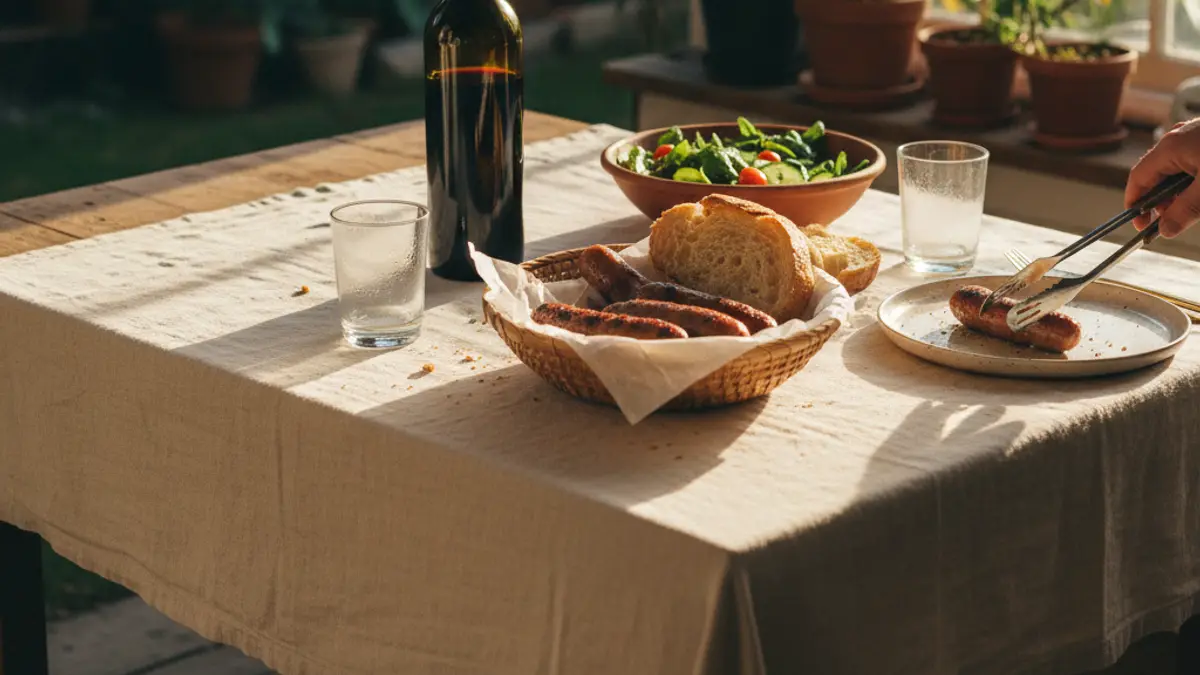
If a pairing fails, first ask which element clashes: tannin vs. spice, acid vs. fat, or sweetness vs. salt. Correct with minor adjustments: add acid to the dish, swap to a lower-tannin wine, or introduce a slightly sweet component. Always taste wines before serving if possible; a quick sip with a bite of what you’ll serve reveals mismatches early.
Order matters for multi-course meals: taste from light to heavy, dry to sweet, low tannin to high tannin. Begin with sparkling or light white, move through rosé or lighter reds, and finish with structured reds or dessert wines. This progression keeps palates accustomed to increasing intensity and protects delicate wines from being overshadowed.
Build a pairing library gradually: keep one example of a crisp white (Sancerre or Albariño), an off-dry Riesling, a versatile rosé, a mid-priced Pinot Noir (Burgundy or Oregon), a reliable Cabernet or Malbec, and a bottle of aged Rioja or Rhône Syrah for depth. Producers to consider as starting points include Château Montelena, Trimbach, Vega Sicilia, and Antinori. Over time, you’ll learn which producers and styles reliably produce the wine matches you prefer.
Where to buy
An answer box can tell you which wine to look for. It cannot tell you which shop near you stocks it. These listings carry addresses, published opening hours and a map — 3,172 venues across 60 cities.