
| Attribute | Value |
|---|---|
| Country | Spain |
| Principal grapes | Tempranillo (Tinto Fino), Cabernet Sauvignon, Merlot |
| Styles produced | Powerful red, Rosé |
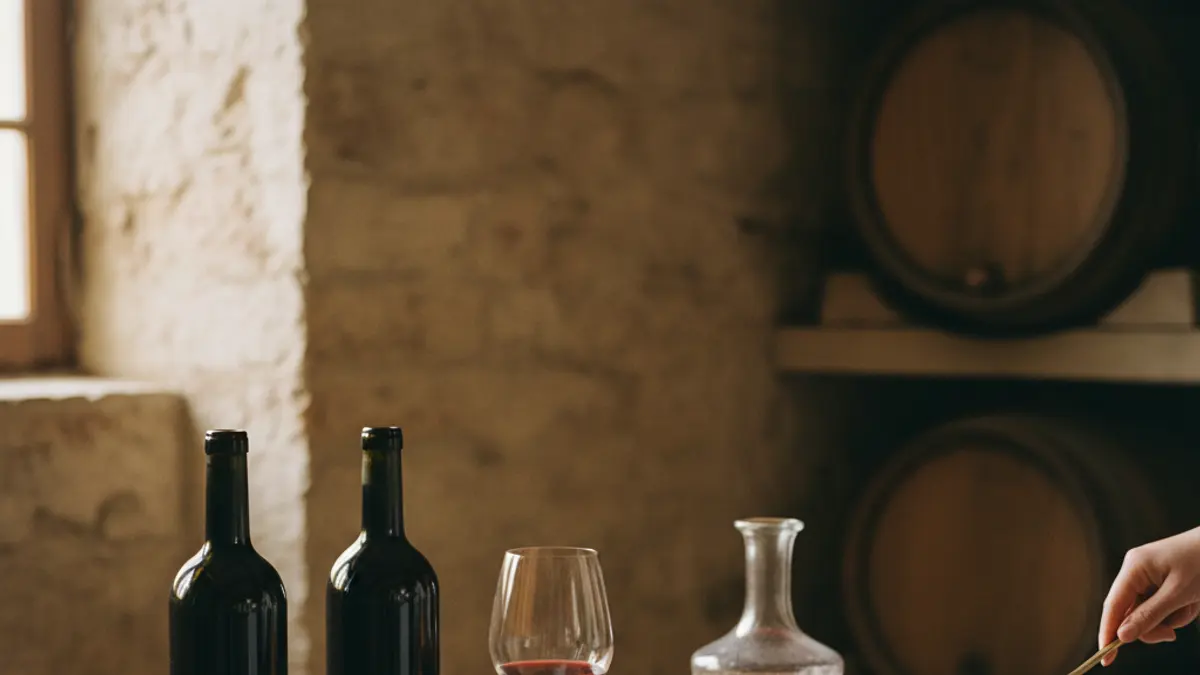
Wine Region
Ribera del Duero Wine Region — Spain's High-Altitude Tempranillo Country
Spain
Ribera del Duero is Spain's benchmark for concentrated, structured Tempranillo—locally Tinto Fino—grown on high plateau vineyards along the Duero River. Vineyards sit mostly between 700 and 1,000 meters, across key towns and sectors such as Peñafiel, Aranda de Duero, Roa and Pedrosa de Duero. The combination of calcareous clay, limestone and alluvial terraces with gravel and chalk, plus a pronounced diurnal range and low rainfall, yields thick-skinned grapes with intense black-fruit flavors and firm tannins. While the region is best known for powerful oak-aged Reserva and Gran Reserva bottles from houses like Vega Sicilia, Pingus, Pesquera and Protos, producers also make fresh Joven wines and rosados from Tempranillo. Harvest typically runs from late September into October, and winemaking choices range from modern, new-French-oak styles to traditional long-aging in American oak and bottle maturation. This guide covers terroir, principal varieties, styles, visiting tips and food pairings for both collectors and first-time visitors.
Wine styles
Powerful redRosé
Key grapes
Tempranillo (Tinto Fino)Cabernet SauvignonMerlot
What makes the terroir of Ribera del Duero different?
Ribera del Duero sits on the northern Meseta of Spain; vineyards cling to river terraces and plateaus at elevations generally between 700 and 1,000 meters above sea level. Soils are a patchwork of calcareous clay and limestone, chalky marl, iron-rich clays and fluvial gravel terraces with cobbles—stones that aid drainage and reflect heat at night. In the western and central sectors around Peñafiel and Pedrosa, soils become heavier with more clay and limestone; to the north (Burgos province) soils trend sandier with higher chalk content. The climate is continental: long, hot summers and cold winters with marked diurnal swings—warm daytime ripening and cool nights that preserve acidity. Annual rainfall is low, roughly 300–450 mm, producing summer water stress that concentrates phenolics. The region is vulnerable to late spring frosts and occasional hail in May–June; growers mitigate risk with site selection and elevation. These combined factors—thin, calcareous soils, high altitude and strong diurnal range—explain why Ribera produces Tempranillo with deep color, concentrated black-fruit, pronounced tannic structure and the acidity needed for extended oak ageing and long bottle life.
Which grapes are grown in Ribera del Duero?
Tempranillo (Tinto Fino) is the backbone of Ribera del Duero. Here it develops darker, riper fruit—black cherry, plum, blackcurrant—with herbal, tobacco and cured-meat notes from extended ripening at altitude. Thick skins and concentrated phenolics yield wines with firm, grainy tannins; many top bottlings spend 12–24 months in oak followed by bottle ageing. Compared with Rioja, Ribera's Tempranillo tends toward greater concentration, higher alcohol and a meatier, more tannic profile because of the continental climate and plateau soils. Cabernet Sauvignon is used as a blending component to add structure, cassis aromas and longevity; in Ribera it ripens more reliably than in cooler Spanish regions, giving backbone to Reserva blends. Merlot appears on warmer plots or in younger-vintage cuvées to soften tannins and add plush mid-palate fruit—red plum and chocolate. Producers vary oak regimes—new French oak is common among modern wineries, while traditional houses may use a mix of American and French barrels for 12–24 months to balance spice and fruit.
What wine styles and appellations come from Ribera del Duero?
The region operates under the Denominacion de Origen Ribera del Duero (DO) framework established in 1982, but it lacks formal sub-DOs; producers instead identify micro-sites and sectors—Peñafiel, Aranda de Duero, Roa and the Pedrosa corridor are the most cited. Styles span Joven (unoaked, early-drinking Tempranillo) through Crianza, Reserva and Gran Reserva; producers follow Spanish ageing categories roughly as Crianza (~2 years total ageing), Reserva (~3 years) and Gran Reserva (~5 years) with varying oak months depending on the house. At the entry level you find approachable reds and rosés priced around $10–25, mid-tier Crianza and Reserva bottlings in the $25–60 range, and single-vineyard, long-aged or small-production icon wines from houses like Vega Sicilia, Pingus or Aalto that command $100–several hundred dollars. Rosados from Tempranillo are fresh and bone-dry, often released early. Modern cellars like Aalto, Alión and Dominio de Pingus champion new oak and precision, while estates such as Vega Sicilia and Pesquera emphasize long barrel and bottle ageing for longevity.
Can you visit wineries in Ribera del Duero, and how?
Best visiting windows are late spring (May–June) for green landscapes and September–October for vendimia activity. Harvest is the region’s highlight—many bodegas in Peñafiel, Aranda de Duero, Roa and Pesquera de Duero offer vendimia experiences and guided cellar tours by appointment. Notable stops: Vega Sicilia (Valbuena de Duero/near Peñafiel requires reservation), Bodegas Protos in Peñafiel with its castle-view cellar, and Pago de Carraovejas just outside Peñafiel. Aranda de Duero has an active wine tourism infrastructure—museums, asadores (roast meat restaurants) and cellar doors. The DO territory is about two hours by car from Madrid or a short regional train to Aranda/Peñafiel; renting a car is recommended to reach small family bodegas. Shoulder seasons avoid summer heat and winter freezing conditions; if you want vendimia participation, book several months ahead with the specific bodega.
What food goes with wine from Ribera del Duero?
Ribera del Duero wines evolved alongside the roast and grill traditions of Castilla y León. Classic local pairings include lechazo asado (suckling lamb from Aranda de Duero), grilled Iberian pork and chorizo, hearty stews such as olla podrida and dishes with roasted mushrooms. Firm tannins and concentrated black-fruit favor slow-roasted lamb or braised beef cheeks; Reserva and Gran Reserva match aged sheep cheeses from the region and spicy morcilla. For everyday wines, pair Crianza with grilled chorizo or roasted vegetables; prestige bottlings like Vega Sicilia Unico excel alongside leg-of-lamb at a traditional asador.
Bottom line
Ribera del Duero is a wine region in Spain, planted mainly to Tempranillo (Tinto Fino), Cabernet Sauvignon and Merlot, and known for powerful red and rosé.
If you are buying a bottle from here for the first time, the grape on the label tells you more than the vintage does: Tempranillo (Tinto Fino) is what the region is built on, and a producer's entry-level bottling from a good address is a more reliable introduction than a cheap bottle from a famous one.
Appellation rules define what may be planted, how much may be harvested per hectare and what the wine may be called — they are a legal boundary, not a quality rating. A bottle carrying the appellation is a bottle that met the rules, which is a floor and not a promise.
For the detail behind this summary, the guides linked from this page cover A Practical Guide to Full Bodied Red Wine, Cabernet Sauvignon Grape: Your Complete Guide and Wine Pairing: How to Match Wine with Food.
Primary sources: European Commission — eAmbrosia, the EU register of geographical indications · Regulation (EU) 2021/2117 — wine labelling, ingredients and nutrition