| Attribute | Value |
|---|---|
| Country | France |
| Principal grapes | Grenache, Cinsault, Mourvèdre, Syrah, Rolle (Vermentino) |
| Styles produced | Pale rosé, Red, White |
Wine Region
Provence Wine Region — The World’s Rosé Capital on the Mediterranean Coast
France
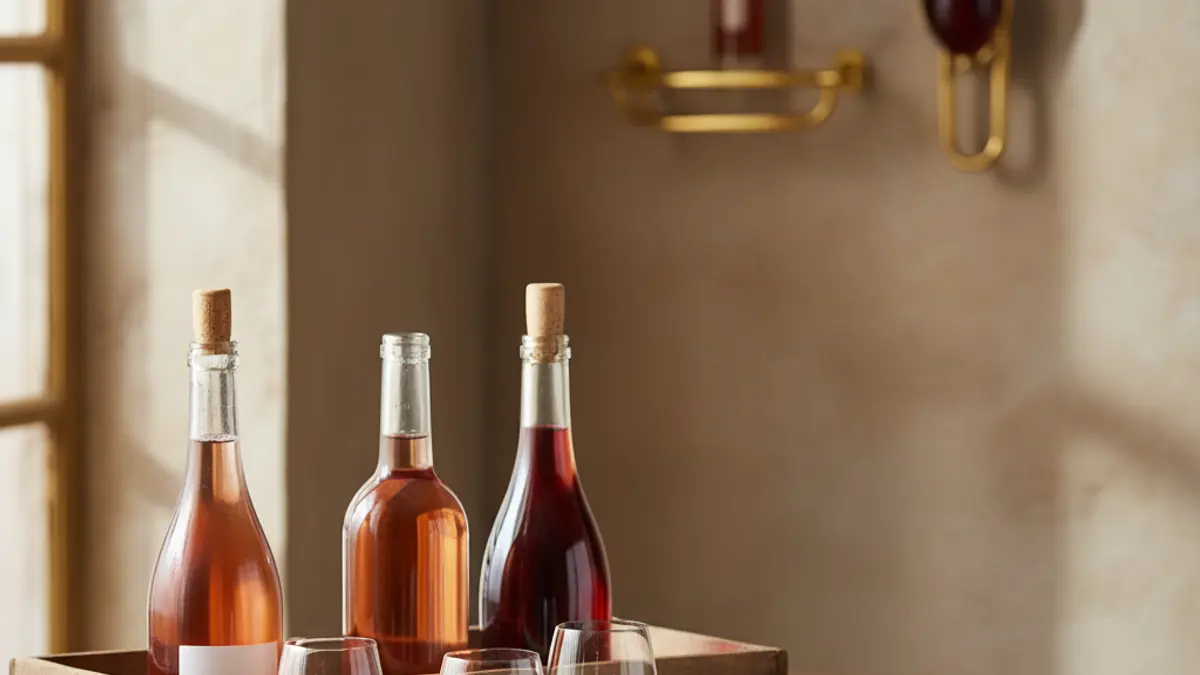
Provence is synonymous with pale, dry rosé: coastal vineyards from Bandol and Cassis to Côtes de Provence and Palette produce elegant, food-friendly pink wines. The region’s principal grapes—Grenache, Cinsault, Mourvèdre, Syrah and Rolle (Vermentino)—deliver the aromatics, bright red-fruit and saline lift that define Provençal bottles. Limestone ridges, Miocene marl, schist outcrops and alluvial plains warmed by the Mediterranean and scoured by the Mistral create wide site variation: Bandol’s Mourvèdre yields structured reds and ageworthy rosés, Cassis and Palette focus on mineral whites from Rolle, and Côtes de Provence dominates rosé production with estates such as Château d'Esclans, Domaine Ott and Domaine Tempier. Harvest timing is tactical—rosés picked earlier (late August–early September) for freshness, reds later into September–October. If you want pale, dry rosé by the glass or Mourvèdre-driven reds with Provençal herbs, Provence is the reference: drink young for most rosés, cellar Bandol and selected Côtes de Provence rouges for 5–10 years.
Wine styles
Pale roséRedWhite
Key grapes
GrenacheCinsaultMourvèdreSyrahRolle (Vermentino)
What makes the terroir of Provence different?
Provence sits on a mosaic of bedrock and soils: limestone and marl dominate the limestone plateaus around Aix and the Alpilles; schist and siliceous soils appear near Bellet (Nice) and Palette; sandstone and old alluvial terraces mark the coastal plains around Fréjus and La Londe. Elevations range from sea level vineyards in Bandol and Cassis to 300–600 m inland on the Sainte-Victoire and Plan-de-Cuques slopes. The climate is Mediterranean—hot, dry summers and mild winters—with a defining regional influence: the Mistral wind, which reduces disease pressure and promotes diurnal cooling on exposed ridges. Annual rainfall varies roughly 500–800 mm, with the driest sites closest to the coast; summer drought stresses vines and concentrates flavors. Key weather events shape vintages: spring frosts are rare but possible in cooler inland pockets; heavy autumn rains can complicate late-ripening Mourvèdre in bad years. These conditions favor early-harvested pale rosés (retain acidity and aromatics) and late-ripening Mourvèdre for structure. Coastal breezes and limestone-derived minerality produce the saline, citrus-tinged finishes prized in Cassis whites and Côtes de Provence rosés.
Which grapes are grown in Provence?
Grenache: In Provence Grenache brings red fruit (strawberry, red cherry), warmth and mid-palate alcohol. Planted on clay-limestone slopes it yields ripe, fragrant components for Côtes de Provence rosés and blended reds. Unlike hotter southern Rhône Grenache, Provençal Grenache is usually picked earlier for brightness and contributes less jammy character. Typical aging for Grenache-led rosés is brief—bottled within months—while Grenache-dominant reds may see 6–12 months oak.
Cinsault: Cinsault is the backbone of the pale, aromatic rosé style—thin skins, low tannin and fresh red-fruit aromas. In Provence, especially coastal plots, Cinsault is harvested early to preserve perfume and acidity; compared with its use in Languedoc, Provençal Cinsault is lighter, floral and seldom used alone for aged wines.
Mourvèdre: The regional workhorse for structure. In Bandol and select coastal sites Mourvèdre delivers dark fruit, garrigue, black pepper and firmness. Bandol legally requires high Mourvèdre percentages (minimums apply locally), and producers like Domaine Tempier age reds and top rosés longer—12–24 months—so the grape shows tannic backbone and cellar potential not seen in many rosés elsewhere.
Syrah: Provides color, pepper and savory notes; used judiciously in blends to add mid-palate grip. In Provence Syrah tends toward floral, peppery character rather than the dense, dark-fruited Syrah of the northern Rhône.
Rolle (Vermentino): Principal white grape in Cassis, Palette and parts of Côtes de Provence. Rolle gives citrus, stone fruit and a saline, mineral line when grown on limestone and marl. Provençal Rolle often sees stainless or neutral oak and is bottled early to keep zesty acidity; richer single-vineyard examples in Palette or Cassis may spend brief lees time for texture.
What wine styles and appellations come from Provence?
Provence’s dominant style is pale, dry rosé—Côtes de Provence AOP accounts for the largest volume and includes sub-appellations such as Sainte-Victoire, La Londe, Pierrefeu and Fréjus. Bandol AOP, centered on the Var coast around the village of Bandol, is the region’s prestige zone: Mourvèdre must play a leading role (minimum percentages apply) and Bandol produces ageworthy reds, rosés and structured whites. Cassis AOP and Palette AOP are small, white-focused appellations known for saline, limestone-driven Rolle wines. Coteaux d'Aix-en-Provence (now Coteaux d'Aix) produces rosés and reds on clay-limestone, while Bellet AOP near Nice offers unique schist soils and small-production whites and rosés.
Classification: Provence wines are marketed under French AOP/AOC rules; look for specific sub-appellation names on labels. Style range: everyday Côtes de Provence rosés retail $8–18 (entry-level), serious single-vineyard rosés and Bandol rosés sit in the $20–60 bracket, while top prestige wines—Château d'Esclans Garrus or aged Bandol bottlings from Domaine Tempier and Château Pibarnon—can reach $80–200+. Whites from Cassis and Palette command higher prices per bottle than mass-market rosés because of low yields and site specificity.
Can you visit wineries in Provence, and how?
The best time to visit is late spring (May–June) for green hills, or late August–September to see harvest activity and taste freshly picked rosés; Bandol and Cassis harvest windows generally run late August to late September, with reds finishing in October. Wine tourists can follow the Route des Vins through villages like Bandol, Le Castellet, Cassis, Aix-en-Provence and La Cadière-d'Azur. Cellar-door experiences vary: Château d'Esclans and Domaine Ott offer organized tastings and estate tours (advance booking required), while smaller domaines in Palette and Bellet welcome visitors by appointment. Many properties run harvest participation or vendange days—book early and expect manual picking for Mourvèdre parcels.
Access: Marseille-Provence Airport and Aix TGV provide the quickest entry; Nice is the gateway for Bellet. Renting a car is the most practical way to reach hilltop domaines and small appellations. Combine coastal seafood dining in Cassis or Marseille with tastings inland for a full Provençal itinerary.
What food goes with wine from Provence?
Provençal cuisine evolved alongside local wines—think seafood, olive oil, herbs de Provence and citrus. Dry rosés (Côtes de Provence, Bandol rosé) pair superbly with salade niçoise, grilled sardines, aioli and grilled Provençal vegetables; try Château d'Esclans Whispering Angel or Domaine Ott rosés with a salade niçoise or bouillabaisse. Cassis and Palette Rolle whites, with saline minerality and bright acidity, match shellfish, oysters and soupe de poisson. Mourvèdre-driven Bandol reds are a natural foil for herb-scented lamb, daube provençale or stew with black olives and tomatoes. For a regional pairing from a notable producer, serve Domaine Tempier Bandol rouge with a slow-roasted lamb shoulder and herbes de Provence for a classic match.
Bottom line
Provence is a wine region in France, planted mainly to Grenache, Cinsault, Mourvèdre, Syrah and Rolle (Vermentino), and known for pale rosé, red and white.
If you are buying a bottle from here for the first time, the grape on the label tells you more than the vintage does: Grenache is what the region is built on, and a producer's entry-level bottling from a good address is a more reliable introduction than a cheap bottle from a famous one.
Appellation rules define what may be planted, how much may be harvested per hectare and what the wine may be called — they are a legal boundary, not a quality rating. A bottle carrying the appellation is a bottle that met the rules, which is a floor and not a promise.
For the detail behind this summary, the guides linked from this page cover Rosé Wine: Styles, Producers, Pairings and Buying Guide, Wine Pairing with Salmon: Practical Choices and Pairing Rules and Wine Serving Temperature: When to Chill or Warm Your Bottle.
Primary sources: European Commission — eAmbrosia, the EU register of geographical indications · Regulation (EU) 2021/2117 — wine labelling, ingredients and nutrition