
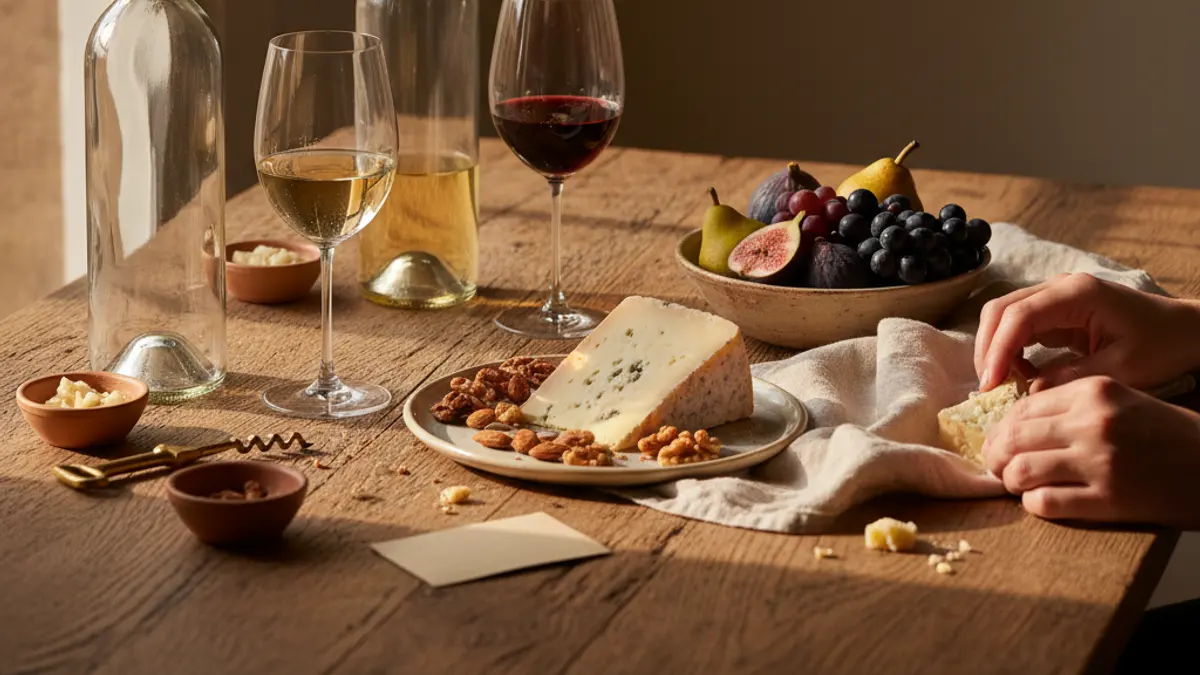
What does "sweet" and "dry" actually mean?
The most practical definition: dry wines have little or no residual sugar (RS), while sweet wines retain enough RS to taste noticeably sweet. Chemically, winemakers stop fermentation or add unfermented grape must to achieve sweetness; legally and practically, sweetness is measured in grams per liter (g/L) of residual sugar. In table wines, dry often falls under 4 g/L, though perception varies with acidity and alcohol.
Perception matters: a wine with 10 g/L RS can taste dry if it has sharp acidity or high tannin. That’s why many Mosel Rieslings labelled Kabinett can taste off-dry even when technically low in RS. Conversely, a warm-climate red with 1–2 g/L RS may taste slightly fruity but still be considered dry. Tasting terms like off-dry and semi sweet red wine help bridge the gap between lab numbers and palate impressions.
Region and style offer shortcuts: dry Riesling from Clare Valley or Alsace, dry white wine like a Marlborough Sauvignon Blanc or a Chablis (Chablis producers include Domaine William Fèvre), versus sweet styles like Sauternes (Château d'Yquem), Tokaji (Royal Tokaji) or fortified Ports (Taylor Fladgate, Graham's). When shopping, look for style cues on the label—terms such as "sec", "trocken", "kabinett", "aszu"—and remember tasting context changes everything.
How sweetness is measured and labeled
Winemaking labs report residual sugar in grams per liter (g/L). Typical ranges: bone dry under 4 g/L, off-dry 4–12 g/L, medium-sweet 12–45 g/L, and dessert wines 45+ g/L. Legal and regional labels use local descriptors rather than numbers: Germany uses trocken (dry), halbtrocken (off-dry) and sweeter categories like auslese. France uses terms like sec or appellation clues—Sauternes signals dessert sweetness.
Examples that illustrate the scale: a German Riesling Kabinett labelled "feinherb" often sits around 10–20 g/L, while a Tokaji Aszú 5 Puttonyos typically measures 120–180 g/L depending on vintage and producer (Royal Tokaji). For fortifieds, a 10-year Tawny Port from Taylor Fladgate contains significant sweetness but less overt RS due to oxidative development—expect rich dried-fruit flavors and 100+ g/L RS equivalents.
Many modern producers include RS grams on back labels, especially New World wineries targeting informed buyers. If the label lacks numbers, use region and style as proxies: Mosel for racy, sometimes off-dry Riesling (Dr. Loosen makes a range), Alsace for dry, Marlborough for dry Sauvignon Blanc (Cloudy Bay is a benchmark). Retail descriptions often cite sweetness level—ask staff for the RS if you need a precise match for food pairing.
Wine sweetness chart: how much sugar is in dry, off-dry and sweet wine?
In the European Union the sweetness word on a label is defined by law rather than by taste. Annex III of Commission Delegated Regulation (EU) 2019/33 fixes exactly how much residual sugar a wine may hold and still be called dry, medium dry, medium sweet or sweet, and it sets a separate scale for sparkling wine. The two tables below are that law, not an interpretation of it.
| Term on the label | Also printed as | Residual sugar | The acidity exception |
|---|---|---|---|
| dry | sec, trocken, secco, asciutto, seco, suho, kuiva, ξηρός | Not more than 4 g/l | Up to 9 g/l still counts as dry if total acidity, expressed as grams of tartaric acid per litre, is not more than 2 g below the residual sugar |
| medium dry | demi-sec, halbtrocken, abboccato, semiseco, meio seco, halvtør | Above the dry limit and not more than 12 g/l | Up to 18 g/l if total acidity is not more than 10 g below the residual sugar |
| medium, medium sweet | moelleux, lieblich, amabile, semidulce, halfzoet, ημίγλυκος | Above the medium dry limit and not more than 45 g/l | None |
| sweet | doux, süss, dolce, dulce, zoet, słodkie, sött | At least 45 g/l | None |
The acidity exception in the right-hand column is the reason two wines with the same sugar can carry different words. Acid cancels the impression of sweetness, so the regulation lets a wine with more sugar keep the drier term when it also carries enough acid to balance it. A high-acid Riesling at 8 g/l can be legally dry; a soft, low-acid white at the same sugar level cannot.
Sparkling wine runs on its own scale in the same annex, and the two scales cross in the place that catches people out: a bottle labelled extra dry is sweeter than one labelled brut.
| Term | Sugar content | What it means in practice |
|---|---|---|
| brut nature | Less than 3 g/l | Permitted only where no sugar was added after the second fermentation |
| extra brut | Between 0 and 6 g/l | Bone dry, and increasingly common |
| brut | Less than 12 g/l | The default style of Champagne, Crémant, Cava and most Prosecco |
| extra dry | Between 12 and 17 g/l | Sweeter than brut, despite what the name suggests |
| dry, sec | Between 17 and 32 g/l | Noticeably sweet on the palate |
| demi-sec | Between 32 and 50 g/l | A dessert style |
| doux | More than 50 g/l | The sweetest category the annex defines |
Colour changes nothing in the law: the scale makes no distinction between red and white, and a red wine at 30 g/l and a white wine at 30 g/l are both medium sweet. What differs is where each colour's familiar styles sit on the scale, and that is what most people are looking for when they search for a sweetness chart.
| Band | Red wines you will meet here | White wines you will meet here |
|---|---|---|
| dry | Bordeaux, Chianti, Rioja, Malbec, most Cabernet Sauvignon, most Syrah and Shiraz | Muscadet, Chablis, Sancerre, most Pinot Grigio, most dry Sauvignon Blanc |
| medium dry | Many inexpensive commercial reds, especially warm-climate blends; most Lambrusco amabile | Off-dry Riesling, many Chenin Blanc, Vinho Verde, most Prosecco extra dry |
| medium sweet | Brachetto d'Acqui, sweet red blends sold as dessert reds | Moscato d'Asti, German Spätlese, many Gewürztraminer |
| sweet | Recioto della Valpolicella, red Port | Sauternes, Tokaji Aszú, ice wine, Pedro Ximénez |
The United States classifies the same bottles on a different axis altogether. Title 27 of the Code of Federal Regulations, Part 4 — the wine labelling rules administered by the Alcohol and Tobacco Tax and Trade Bureau — contains no residual sugar definition at all: the phrase does not occur in the part. What it defines instead is table wine, grape wine of not more than 14 percent alcohol by volume, and dessert wine, grape wine above 14 percent and not more than 24 percent. An American label may therefore describe a wine as a sweet table wine without meeting any federal sugar threshold, because no federal sugar threshold exists.
That gap is worth carrying into a shop. On a European bottle the sweetness word is a measurement; on an American one it is a description. When an American label gives no useful signal, the alcohol figure is the next best clue — fermentation converts sugar to alcohol, so a wine that stopped at 9 percent almost certainly kept sugar behind, and one at 14.5 percent almost certainly did not.
Sweet red wines and semi-sweet red wine styles
Sweet red wines range from lightly off-dry to lusciously fortified. Popular styles include Italian Lambrusco, Brachetto d'Acqui, Portuguese Ports and Mediterranean Banyuls. Modern producers such as Medici Ermete and Cleto Chiarli make approachable Lambrusco with frizzante lift and berry sweetness—expect $12–$20. Banfi’s Rosa Regale (Brachetto d'Acqui) is a classic semi-sweet red aromatic bottle for $15–$25.
Semi sweet red wine is often chosen for fruit-forward dishes and casual sipping. Lambrusco can be dry to semi-sweet; seek descriptors like "amabile" or "semisecco" for a softer profile. In Portugal, a Ruby Port from Graham's or Taylor Fladgate presents concentrated blackberry and chocolate with 100+ g/L sugar-equivalent sweetness and higher alcohol; these are dessert wines but pair beautifully with chocolate and blue cheese.
Regions give signals: look to Piedmont for Brachetto, Emilia-Romagna for Lambrusco, and Douro for fortified Ports. Price expectations: quality semi-sweet bottles typically cost $12–$35; aged fortifieds and rare vintage Ports climb well above $50. When in doubt, check the label for sugar descriptors and consult staff if you want a wine that leans sweet but keeps balance rather than cloying sweetness.
Dry white wine: styles, regions, and benchmark bottles
Dry white wine denotes little residual sugar and often pronounced acidity. Benchmarks include Marlborough Sauvignon Blanc (Cloudy Bay, $20–$35), Muscadet from the Loire (Château de la Ragotière, $12–$20), Chablis (Domaine William Fèvre, $35–$60) and many Alsace whites (Domaine Zind-Humbrecht produces dry, ageworthy wines). These wines showcase citrus, green apple, flint or mineral notes without perceptible sweetness.
Certain white grapes have a reputation for dryness: Sauvignon Blanc, Albariño, unoaked Chardonnay and many Pinot Grigio/Pinot Gris expressions. Dry Riesling exists—look for labels from Clare Valley, Alsace, or producers such as Dr. Loosen's dry bottlings (often $12–$25). Dry styles can age gracefully if acidity is high; dry white Burgundy and top Rieslings develop complexity over a decade or more.
Buying tips: if the label states "trocken" (Germany), "sec" or the appellation (Chablis, Sancerre), you’re likely dealing with a dry wine. Price expectations vary: good everyday dry whites run $12–$25, quality appellation bottles $30–$70, and rare, ageable white Burgundies or premier domaine Alsace wines can exceed $100. Serve dry whites chilled—Sauvignon at 45–50°F, fuller Chardonnays a bit warmer at 50–55°F—to highlight acidity and aroma while keeping flavors focused rather than flabby.
How acidity, tannin and alcohol influence perceived sweetness
Sensory chemistry explains why a wine's sugar number isn't everything. High acidity suppresses the perception of sweetness, while tannin and alcohol change mouthfeel. A wine with 10 g/L RS and bright acidity (like many Rieslings) will taste fresher and less cloying than a flat wine with the same RS. Conversely, low-acid, high-alcohol wines can seem sweeter because alcohol imparts sweetness on the palate.
Tannin—primarily from red wines—creates dryness that contrasts with residual sugar. A tannic Cabernet Sauvignon from Napa (producers such as Beringer or Caymus) will present dry sensations even with a touch of RS. Food and temperature also shift perception: cold suppresses sweetness, which is why many sweet sparkling wines feel more restrained when well chilled.
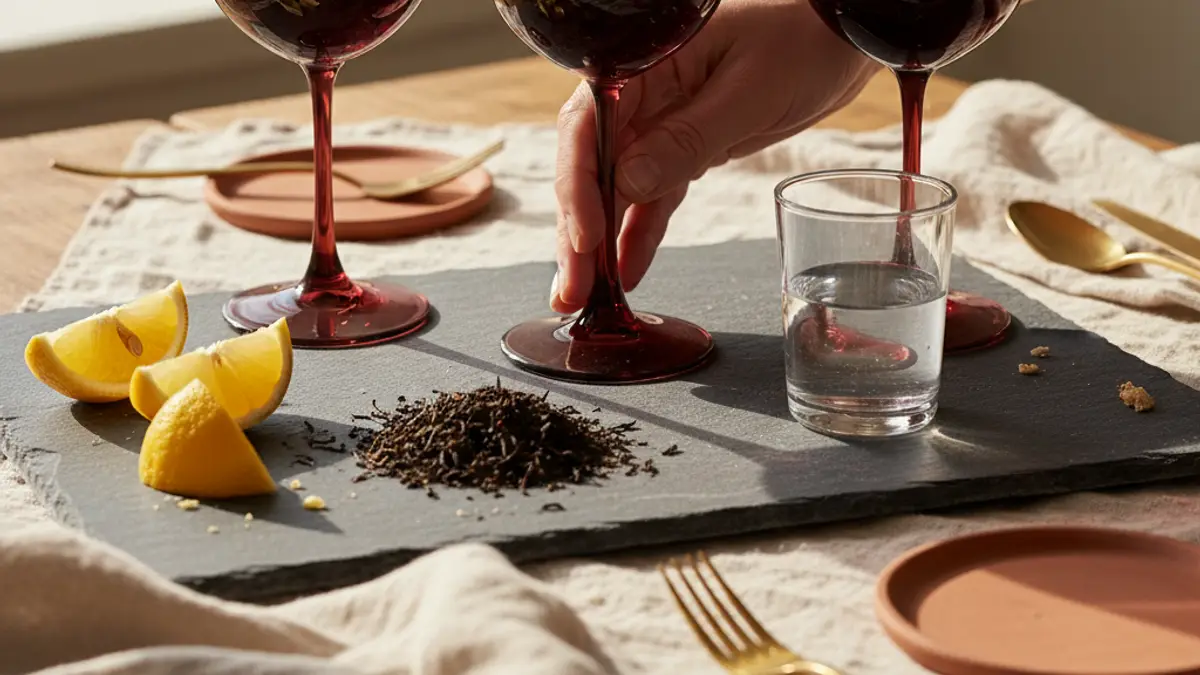
Practical tasting method: rinse your palate with water, taste a small sip of a neutral cracker, then sample the wine and notice how acidity and tannin modulate sweetness. Try the same wine warmed slightly; if it tastes sweeter, temperature and alcohol are affecting perception. When pairing, balance sweetness with acid, fat, or salt—this interplay is why sweet wines can pair brilliantly with spicy or fatty dishes that would overwhelm a dry wine.
Pairing sweet and dry wines with food
Pairing rules change with sweetness. For dry wines, match intensity: a dry, herbaceous Marlborough Sauvignon Blanc (Cloudy Bay) pairs with goat cheese and green salads; a dry, oaked Napa Chardonnay suits roasted poultry or creamy pasta. For sweet wines, match sweetness with the dish: Sauternes (Château d'Yquem) with foie gras or blue cheese, Tokaji with fruit tarts, and a Tawny Port with nutty desserts.
Spicy food benefits from off-dry or sweet wines: an off-dry Riesling (Dr. Loosen Kabinett) calms heat in Thai or Szechuan dishes. For sweet red wines, pair Lambrusco or Brachetto with berry desserts, chocolate-dipped strawberries or charcuterie with candied elements. Fortified wines like Taylor Fladgate 10 Year Tawny balance salt and aged hard cheeses.
Concrete pairings: try a 2018 Mosel Riesling Kabinett with spicy Thai green curry; a 2016 Chablis with oysters; a Médoc Cabernet-based wine with grilled ribeye; and a young Medici Ermete Lambrusco with prosciutto and melon. When matching, ensure the wine is as sweet or sweeter than the dessert to avoid a flat, bitter impression. Remember acidity can cut richness and reveal freshness in both sweet and dry contexts.
Buying, collecting and aging sweet vs dry wines
Buy with intent: everyday dry wines (Sauvignon Blanc, Pinot Grigio, rosé) are great under $20; quality dry whites and reds for cellaring start around $25–$40. Sweet wines vary: a decent Sauternes or Tokaji can cost $40–$150; Château d'Yquem and vintage Ports command higher prices. Fortified Ports and sweet Sherries age differently—Tawny Ports (Taylor Fladgate) are ready-to-drink and improve in bottle; vintage Ports need cellar time.
Aging considerations: sugar and acidity are natural preservatives, so many sweet wines age remarkably—Tokaji Aszú and Sauternes develop honeyed complexity for decades. Dry wines with high acidity and tannin (top Rieslings, Barolo, Bordeaux) also age well. For cellaring, maintain steady 55°F and 60–70% humidity; avoid light and vibration. Label and note bottles: estate, vintage, and producer matter—Domaine Zind-Humbrecht for Alsace, Dr. Loosen for Mosel Riesling, and Taylor Fladgate for Port are dependable names to start a mixed collection.
When buying for a meal, choose wines that complement the menu rather than dominate: a semi sweet red wine for spicy BBQ, a dry white for shellfish, or a late-harvest sweet for creamy desserts. If uncertain, ask retailers about RS or request a tasting if available; many shops will recommend wines by sweetness level or provide partial tastings for $5–$15 to help you decide.
Serving and experimenting: practical tips
Temperature, glassware and decanting change how sweetness presents. Serve most dry white wines at 45–55°F; fuller whites and sweeter whites slightly warmer. Chill sweet wines well—Sauternes or late-harvest Riesling at 45–50°F highlights acidity and keeps sweetness balanced. Red sweet wines like Lambrusco are best lightly chilled (around 50–55°F) to preserve lift and freshness.
Use appropriate glassware: white wine glasses with a narrower bowl focus aromatics and acidity; dessert wine glasses are smaller to limit alcohol exposure. Decanting helps large-bodied, tannic reds but is rarely needed for delicate sweet wines; some aged Ports benefit from decanting to remove sediment. For experimentation, try blending small amounts of a dry and a sweet wine to see how RS levels change the final balance—this is an educational tasting exercise to calibrate your palate.
Starter bottles to explore: Dr. Loosen Riesling Kabinett ($15–$25), Cloudy Bay Sauvignon Blanc ($20–$35), Medici Ermete Lambrusco ($12–$20), Taylor Fladgate 10 Year Tawny ($30–$50), and a half-bottle of Château d'Yquem or Royal Tokaji for special occasions. Keep tasting notes: record acidity, RS perception, food pairings and your personal enjoyment so you can replicate successes and refine preferences over time.
Where to buy
An answer box can tell you which wine to look for. It cannot tell you which shop near you stocks it. These listings carry addresses, published opening hours and a map — 3,172 venues across 60 cities.
Primary sources
Every figure on this page comes from the body named in the sentence that states it. Here is where to check each one: