
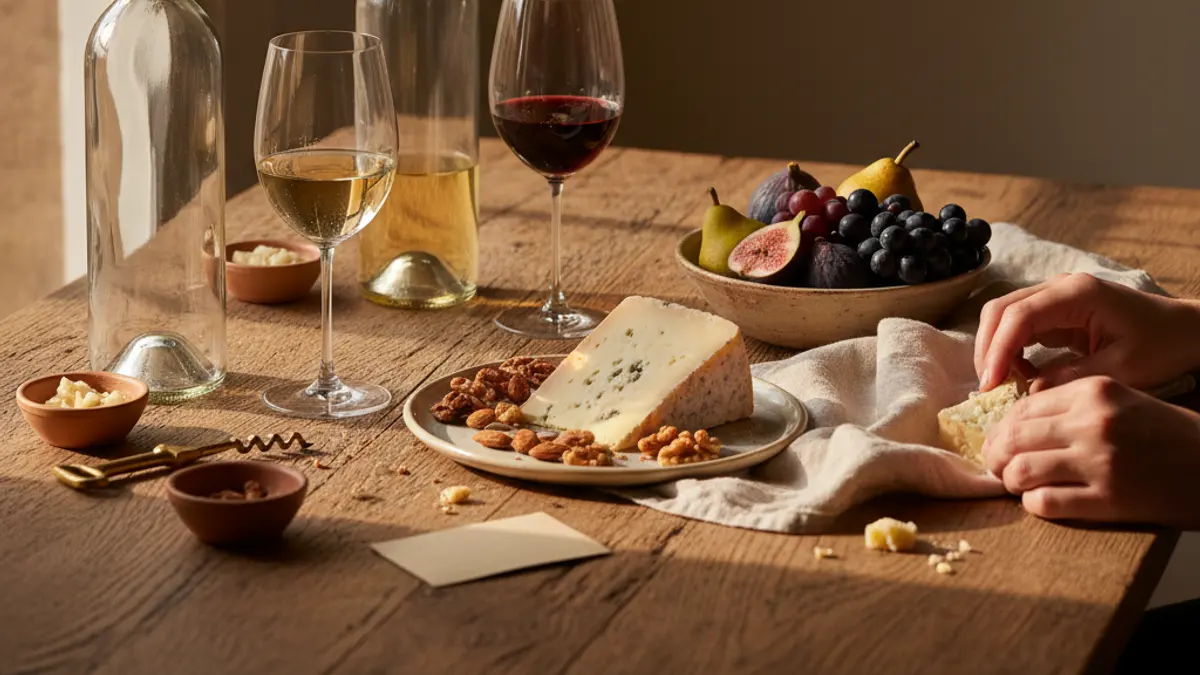
"मीठी" और "ड्राय" का असल मतलब क्या है?
सबसे व्यावहारिक परिभाषा यह है: dry wines में residual sugar (RS) बहुत कम या बिल्कुल नहीं होती, जबकि sweet wines में इतनी RS बची रहती है कि मिठास साफ महसूस हो। वाइन बनाने वाले fermentation रोककर या बिना ferment किया हुआ grape must मिलाकर मिठास हासिल करते हैं; कानूनी और व्यावहारिक तौर पर मिठास को residual sugar के grams per liter (g/L) में मापा जाता है। Table wines में dry आम तौर पर 4 g/L से कम होती है, हालांकि acidity और alcohol के कारण इसकी अनुभूति बदल सकती है।
अनुभूति मायने रखती है: 10 g/L RS वाली वाइन तेज acidity या high tannin के कारण dry लग सकती है। इसी वजह से Kabinett नाम वाली कई Mosel Rieslings, तकनीकी तौर पर RS कम होने के बावजूद, off-dry लग सकती हैं। इसके उलट, 1–2 g/L RS वाली गर्म climate की red wine थोड़ी fruity लग सकती है, फिर भी उसे dry माना जाएगा। off-dry और semi sweet red wine जैसे tasting terms lab के आंकड़ों और तालू पर महसूस होने वाले स्वाद के बीच का फर्क समझने में मदद करते हैं।
Region और style कुछ आसान संकेत देते हैं: Clare Valley या Alsace की dry Riesling, Marlborough Sauvignon Blanc या Chablis जैसी dry white wine (Chablis producers में Domaine William Fèvre शामिल हैं), बनाम Sauternes (Château d'Yquem), Tokaji (Royal Tokaji) या fortified Ports (Taylor Fladgate, Graham's) जैसी sweet styles। खरीदारी करते समय label पर style cues देखें—"sec", "trocken", "kabinett", "aszu" जैसे शब्द—और याद रखें कि tasting context से पूरी अनुभूति बदल सकती है।
मिठास को कैसे मापा और label किया जाता है
Winemaking labs residual sugar को grams per liter (g/L) में रिपोर्ट करती हैं। सामान्य ranges हैं: bone dry 4 g/L से कम, off-dry 4–12 g/L, medium-sweet 12–45 g/L और dessert wines 45+ g/L। कानूनी और regional labels में numbers के बजाय स्थानीय descriptors इस्तेमाल होते हैं: Germany में trocken (dry), halbtrocken (off-dry) और auslese जैसी मीठी categories होती हैं। France में sec जैसे terms या appellation के संकेत मिलते हैं—Sauternes dessert जैसी मिठास का संकेत है।
कुछ उदाहरण इस scale को समझाते हैं: "feinherb" label वाली German Riesling Kabinett में अक्सर 10–20 g/L RS होती है, जबकि Tokaji Aszú 5 Puttonyos में vintage और producer के अनुसार आम तौर पर 120–180 g/L होती है (Royal Tokaji)। Fortified wines में Taylor Fladgate की 10-year Tawny Port में काफी मिठास होती है, लेकिन oxidative development के कारण overt RS कम महसूस होती है—rich dried-fruit flavors और 100+ g/L RS equivalents की उम्मीद करें।
कई modern producers, खासकर informed buyers को ध्यान में रखने वाली New World wineries, back label पर RS grams भी लिखते हैं। अगर label पर numbers न हों, तो region और style को संकेत की तरह इस्तेमाल करें: racy, कभी-कभी off-dry Riesling के लिए Mosel (Dr. Loosen कई styles बनाता है), dry wines के लिए Alsace, और dry Sauvignon Blanc के लिए Marlborough (Cloudy Bay एक benchmark है)। Retail descriptions में अक्सर sweetness level दिया होता है—अगर food pairing के लिए सटीक match चाहिए, तो staff से RS पूछें।
Wine sweetness chart: dry, off-dry और sweet wine में कितनी sugar होती है?
European Union में label पर sweetness का शब्द स्वाद के बजाय कानून से तय होता है। Commission Delegated Regulation (EU) 2019/33 का Annex III ठीक-ठीक तय करता है कि किसी wine में कितनी residual sugar हो सकती है और फिर भी उसे dry, medium dry, medium sweet या sweet कहा जा सकता है। इसमें sparkling wine के लिए अलग scale भी है। नीचे दी गई दोनों tables उसी कानून पर आधारित हैं, उसकी कोई व्याख्या नहीं।
| Label पर term | इस रूप में भी छपा हो सकता है | Residual sugar | Acidity exception |
|---|---|---|---|
| dry | sec, trocken, secco, asciutto, seco, suho, kuiva, ξηρός | 4 g/l से अधिक नहीं | 9 g/l तक होने पर भी dry माना जाएगा, अगर total acidity, tartaric acid के grams per litre में व्यक्त, residual sugar से 2 g से अधिक कम न हो |
| medium dry | demi-sec, halbtrocken, abboccato, semiseco, meio seco, halvtør | dry limit से अधिक और 12 g/l से अधिक नहीं | 18 g/l तक, अगर total acidity residual sugar से 10 g से अधिक कम न हो |
| medium, medium sweet | moelleux, lieblich, amabile, semidulce, halfzoet, ημίγλυκος | medium dry limit से अधिक और 45 g/l से अधिक नहीं | कोई नहीं |
| sweet | doux, süss, dolce, dulce, zoet, słodkie, sött | कम-से-कम 45 g/l | कोई नहीं |
दाईं ओर दिए गए column का acidity exception बताता है कि समान sugar वाली दो wines पर अलग-अलग terms क्यों हो सकते हैं। Acid मिठास की अनुभूति को कम करता है, इसलिए regulation ऐसी wine को अधिक sugar के बावजूद dry term रखने की अनुमति देता है, जब उसमें उसे balance करने के लिए पर्याप्त acid हो। 8 g/l वाली high-acid Riesling कानूनी तौर पर dry हो सकती है; उसी sugar level वाली soft, low-acid white wine नहीं।
इसी annex में sparkling wine की अपनी scale है, और दोनों scales उस जगह मिलती हैं जहां लोग अक्सर भ्रमित होते हैं: extra dry label वाली bottle, brut label वाली bottle से अधिक मीठी होती है।
| Term | Sugar content | व्यवहार में इसका मतलब |
|---|---|---|
| brut nature | 3 g/l से कम | सिर्फ तब मान्य जब second fermentation के बाद sugar न मिलाई गई हो |
| extra brut | 0 और 6 g/l के बीच | Bone dry, और अब तेजी से आम होती style |
| brut | 12 g/l से कम | Champagne, Crémant, Cava और अधिकांश Prosecco की default style |
| extra dry | 12 और 17 g/l के बीच | नाम से लगता है उसके बावजूद brut से अधिक मीठी |
| dry, sec | 17 और 32 g/l के बीच | तालू पर साफ महसूस होने वाली मिठास |
| demi-sec | 32 और 50 g/l के बीच | Dessert style |
| doux | 50 g/l से अधिक | Annex में परिभाषित सबसे मीठी category |
कानून में colour से कुछ नहीं बदलता: scale red और white में कोई फर्क नहीं करती, इसलिए 30 g/l वाली red wine और 30 g/l वाली white wine दोनों medium sweet हैं। फर्क सिर्फ इतना है कि हर colour की familiar styles इस scale पर कहां आती हैं, और sweetness chart खोजने वाले अधिकतर लोग यही जानना चाहते हैं।
| Band | यहां मिलने वाली red wines | यहां मिलने वाली white wines |
|---|---|---|
| dry | Bordeaux, Chianti, Rioja, Malbec, अधिकांश Cabernet Sauvignon, अधिकांश Syrah और Shiraz | Muscadet, Chablis, Sancerre, अधिकांश Pinot Grigio, अधिकांश dry Sauvignon Blanc |
| medium dry | कई सस्ती commercial reds, खासकर warm-climate blends; अधिकांश Lambrusco amabile | Off-dry Riesling, कई Chenin Blanc, Vinho Verde, अधिकांश Prosecco extra dry |
| medium sweet | Brachetto d'Acqui, dessert reds के रूप में बिकने वाली sweet red blends | Moscato d'Asti, German Spätlese, कई Gewürztraminer |
| sweet | Recioto della Valpolicella, red Port | Sauternes, Tokaji Aszú, ice wine, Pedro Ximénez |
United States में इन्हीं bottles को पूरी तरह अलग axis पर classify किया जाता है। Code of Federal Regulations का Title 27, Part 4—Alcohol and Tobacco Tax and Trade Bureau द्वारा लागू wine labelling rules—में residual sugar की कोई definition नहीं है: इस part में यह phrase आता ही नहीं। इसके बजाय यह table wine, यानी 14 percent alcohol by volume से अधिक नहीं वाली grape wine, और dessert wine, यानी 14 percent से अधिक और 24 percent से अधिक नहीं वाली grape wine, को define करता है। इसलिए American label किसी wine को sweet table wine बता सकता है, बिना किसी federal sugar threshold को पूरा किए, क्योंकि कोई federal sugar threshold है ही नहीं।
दुकान में इस अंतर को ध्यान में रखें। European bottle पर sweetness word एक measurement है; American bottle पर यह एक description है। जब American label कोई उपयोगी संकेत न दे, तो alcohol figure अगला अच्छा clue है—fermentation sugar को alcohol में बदलता है, इसलिए 9 percent पर रुकी wine में sugar बची होने की लगभग पूरी संभावना है, जबकि 14.5 percent वाली wine में ऐसा लगभग निश्चित रूप से नहीं है।
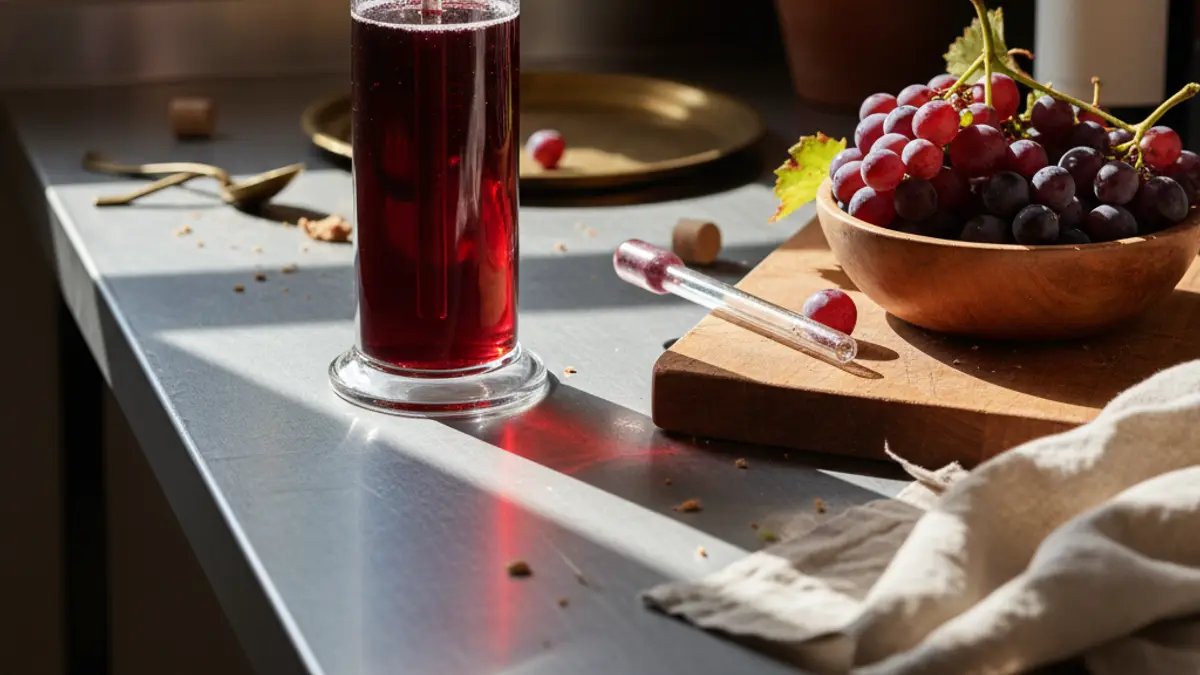
Sweet red wines और semi-sweet red wine styles
Sweet red wines हल्की off-dry से लेकर भरपूर fortified wines तक होती हैं। लोकप्रिय styles में Italian Lambrusco, Brachetto d'Acqui, Portuguese Ports और Mediterranean Banyuls शामिल हैं। Medici Ermete और Cleto Chiarli जैसे modern producers frizzante lift और berry sweetness वाली आसानी से पसंद आने वाली Lambrusco बनाते हैं—कीमत $12–$20 के आसपास। Banfi की Rosa Regale (Brachetto d'Acqui), $15–$25 की classic semi-sweet red aromatic bottle है।
Semi sweet red wine को अक्सर fruit-forward dishes और casual sipping के लिए चुना जाता है। Lambrusco dry से semi-sweet तक हो सकती है; नरम profile के लिए "amabile" या "semisecco" जैसे descriptors देखें। Portugal में Graham's या Taylor Fladgate की Ruby Port, concentrated blackberry और chocolate flavors के साथ 100+ g/L sugar-equivalent sweetness और ज्यादा alcohol देती है; ये dessert wines हैं, लेकिन chocolate और blue cheese के साथ बहुत अच्छी लगती हैं।
Regions भी संकेत देते हैं: Brachetto के लिए Piedmont, Lambrusco के लिए Emilia-Romagna और fortified Ports के लिए Douro देखें। Price expectations: अच्छी quality की semi-sweet bottles आम तौर पर $12–$35 की होती हैं; aged fortifieds और rare vintage Ports की कीमत $50 से काफी ऊपर जा सकती है। संदेह होने पर sugar descriptors के लिए label देखें और staff से पूछें, खासकर अगर आपको ऐसी wine चाहिए जो sweet हो लेकिन balance बनाए रखे और जरूरत से ज्यादा मीठी न लगे।
Dry white wine: styles, regions और benchmark bottles
Dry white wine में residual sugar बहुत कम होती है और acidity अक्सर स्पष्ट होती है। Benchmarks में Marlborough Sauvignon Blanc (Cloudy Bay, $20–$35), Loire की Muscadet (Château de la Ragotière, $12–$20), Chablis (Domaine William Fèvre, $35–$60) और Alsace की कई whites शामिल हैं (Domaine Zind-Humbrecht dry, ageworthy wines बनाता है)। इन wines में बिना perceptible sweetness के citrus, green apple, flint या mineral notes उभरते हैं।
कुछ white grapes अपनी dryness के लिए जानी जाती हैं: Sauvignon Blanc, Albariño, unoaked Chardonnay और Pinot Grigio/Pinot Gris की कई expressions। Dry Riesling भी मिलती है—Clare Valley, Alsace या Dr. Loosen की dry bottlings के labels देखें (अक्सर $12–$25)। अगर acidity high हो, तो dry styles खूबसूरती से age कर सकती हैं; dry white Burgundy और top Rieslings एक दशक या उससे अधिक समय में complexity विकसित करती हैं।
खरीदारी की सलाह: अगर label पर "trocken" (Germany), "sec" या appellation (Chablis, Sancerre) लिखा है, तो wine के dry होने की संभावना है। कीमतें बदलती हैं: अच्छी everyday dry whites $12–$25 में, quality appellation bottles $30–$70 में मिलती हैं, जबकि rare, ageable white Burgundies या premier domaine Alsace wines $100 से ऊपर जा सकती हैं। Dry whites को chilled serve करें—Sauvignon को 45–50°F पर और fuller Chardonnays को थोड़ा गर्म, 50–55°F पर—ताकि acidity और aroma उभरें और flavors flabby होने के बजाय focused रहें।
Acidity, tannin और alcohol मिठास की अनुभूति को कैसे बदलते हैं
Sensory chemistry बताती है कि wine का sugar number ही सब कुछ नहीं है। High acidity मिठास की अनुभूति को दबाती है, जबकि tannin और alcohol mouthfeel बदलते हैं। 10 g/L RS और bright acidity वाली wine (जैसे कई Rieslings) उसी RS वाली flat wine की तुलना में अधिक fresh और कम cloying लगेगी। इसके उलट, low-acid, high-alcohol wines ज्यादा मीठी लग सकती हैं, क्योंकि alcohol तालू पर मिठास का एहसास देता है।
Tannin—जो मुख्य रूप से red wines में होता है—ऐसी dryness पैदा करता है जो residual sugar के विपरीत महसूस होती है। Napa की tannic Cabernet Sauvignon (Beringer या Caymus जैसे producers) थोड़ी RS होने पर भी dry sensations देगी। Food और temperature भी अनुभूति बदलते हैं: ठंड मिठास को दबाती है, इसलिए अच्छी तरह chilled sweet sparkling wines अधिक restrained लगती हैं।
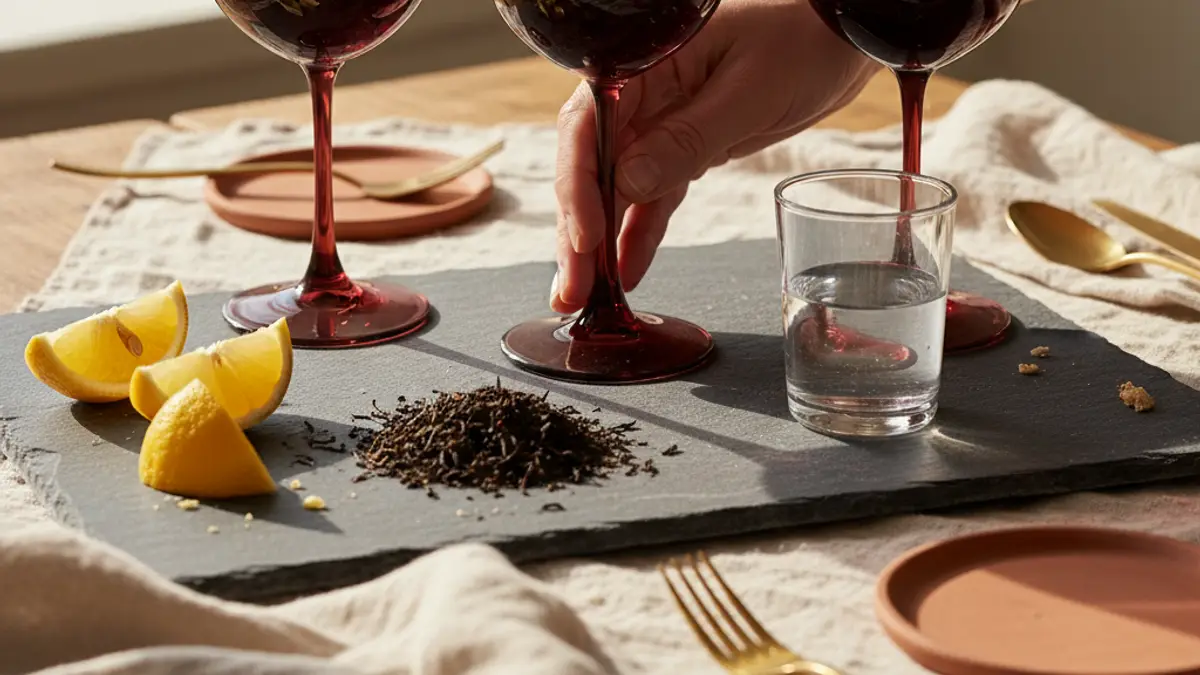
व्यावहारिक tasting method: पहले पानी से तालू rinse करें, एक छोटे bite में neutral cracker चखें, फिर wine का स्वाद लेकर देखें कि acidity और tannin मिठास को कैसे बदल रहे हैं। उसी wine को थोड़ा गर्म करके देखें; अगर वह ज्यादा मीठी लगे, तो temperature और alcohol perception को प्रभावित कर रहे हैं। Pairing करते समय मिठास को acid, fat या salt से balance करें—इसी interplay की वजह से sweet wines spicy या fatty dishes के साथ शानदार लग सकती हैं, जबकि ऐसे dishes dry wine पर हावी हो सकते हैं।
Sweet और dry wines की food pairing
मिठास के अनुसार pairing के नियम बदलते हैं। Dry wines के साथ intensity मिलाएं: dry, herbaceous Marlborough Sauvignon Blanc (Cloudy Bay) goat cheese और green salads के साथ अच्छी लगती है; dry, oaked Napa Chardonnay roasted poultry या creamy pasta के साथ। Sweet wines के साथ dish की मिठास से match करें: foie gras या blue cheese के साथ Sauternes (Château d'Yquem), fruit tarts के साथ Tokaji और nutty desserts के साथ Tawny Port।
Spicy food के साथ off-dry या sweet wines अच्छी रहती हैं: off-dry Riesling (Dr. Loosen Kabinett) Thai या Szechuan dishes की heat को शांत करती है। Sweet red wines के साथ Lambrusco या Brachetto को berry desserts, chocolate-dipped strawberries या candied elements वाली charcuterie के साथ pair करें। Taylor Fladgate 10 Year Tawny जैसी fortified wines salt और aged hard cheeses को balance करती हैं।
कुछ concrete pairings: spicy Thai green curry के साथ 2018 Mosel Riesling Kabinett; oysters के साथ 2016 Chablis; grilled ribeye के साथ Médoc की Cabernet-based wine; और prosciutto तथा melon के साथ young Medici Ermete Lambrusco आजमाएं। Pairing करते समय ध्यान रखें कि dessert की तुलना में wine उतनी ही मीठी या उससे अधिक मीठी हो, वरना स्वाद flat और कड़वा लग सकता है। याद रखें कि acidity richness को काटकर sweet और dry, दोनों contexts में freshness उभार सकती है।
Sweet और dry wines की खरीदारी, collection और aging
उद्देश्य के साथ खरीदें: रोजमर्रा की dry wines (Sauvignon Blanc, Pinot Grigio, rosé) $20 से कम में अच्छी मिलती हैं; cellaring के लिए quality dry whites और reds लगभग $25–$40 से शुरू होती हैं। Sweet wines में काफी फर्क होता है: अच्छी Sauternes या Tokaji की कीमत $40–$150 हो सकती है; Château d'Yquem और vintage Ports की कीमत इससे अधिक होती है। Fortified Ports और sweet Sherries अलग तरह से age होती हैं—Tawny Ports (Taylor Fladgate) पीने के लिए तैयार होती हैं और bottle में बेहतर होती हैं; vintage Ports को cellar time चाहिए।
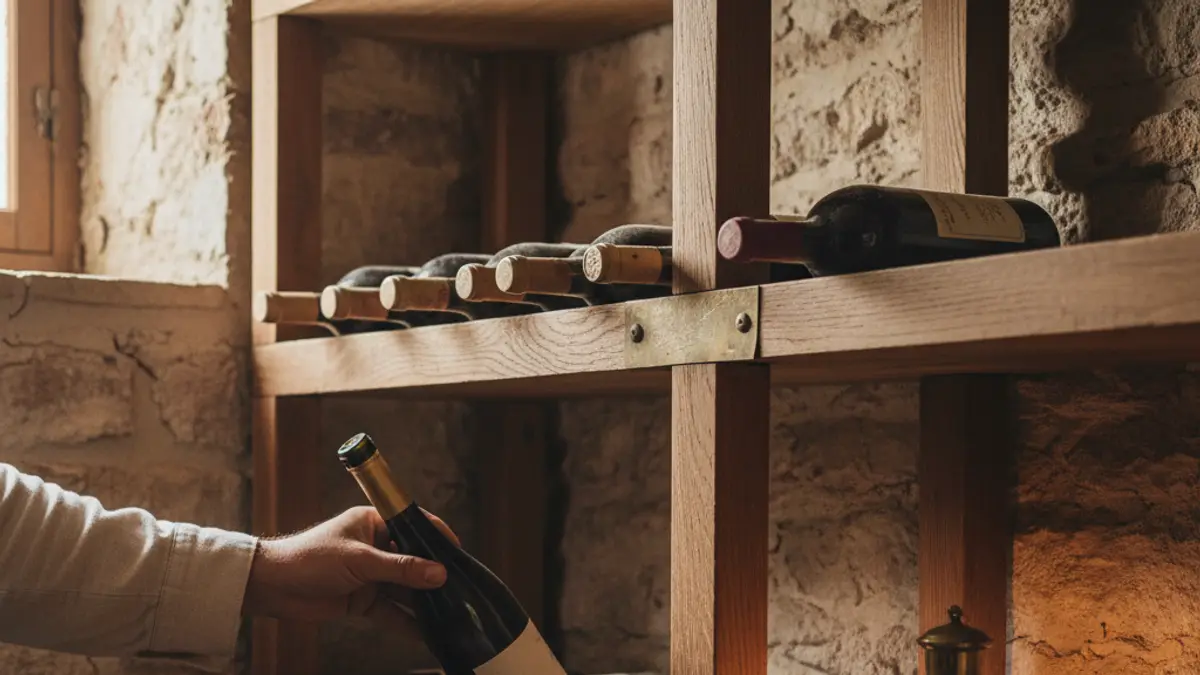
Aging के लिए sugar और acidity natural preservatives हैं, इसलिए कई sweet wines असाधारण रूप से अच्छी तरह age होती हैं—Tokaji Aszú और Sauternes दशकों में honeyed complexity विकसित करती हैं। High acidity और tannin वाली dry wines (top Rieslings, Barolo, Bordeaux) भी अच्छी तरह age होती हैं। Cellaring के लिए तापमान 55°F और humidity 60–70% स्थिर रखें; light और vibration से बचाएं। Bottles को label करके notes लिखें: estate, vintage और producer मायने रखते हैं—Alsace के लिए Domaine Zind-Humbrecht, Mosel Riesling के लिए Dr. Loosen और Port के लिए Taylor Fladgate mixed collection शुरू करने के भरोसेमंद नाम हैं।
Meal के लिए खरीदते समय ऐसी wines चुनें जो menu के साथ तालमेल बिठाएं, उस पर हावी न हों: spicy BBQ के लिए semi sweet red wine, shellfish के लिए dry white या creamy desserts के लिए late-harvest sweet wine। अगर निश्चित न हों, तो retailers से RS के बारे में पूछें या उपलब्ध हो तो tasting मांगें; कई shops sweetness level के अनुसार wines सुझाती हैं या निर्णय लेने में मदद के लिए $5–$15 में partial tastings देती हैं।
Serving और प्रयोग: व्यावहारिक सुझाव
Temperature, glassware और decanting से मिठास की अनुभूति बदलती है। अधिकांश dry white wines को 45–55°F पर serve करें; fuller whites और sweeter whites को थोड़ा गर्म। Sweet wines को अच्छी तरह chill करें—Sauternes या late-harvest Riesling को 45–50°F पर रखने से acidity उभरती है और मिठास balanced रहती है। Lambrusco जैसी sweet red wines को हल्का chilled (लगभग 50–55°F) serve करना बेहतर है, ताकि lift और freshness बनी रहे।
उचित glassware इस्तेमाल करें: संकरे bowl वाले white wine glasses aromatics और acidity पर focus करते हैं; dessert wine glasses alcohol exposure कम करने के लिए छोटे होते हैं। Decanting बड़े-bodied, tannic reds के लिए मददगार है, लेकिन delicate sweet wines के लिए इसकी शायद ही जरूरत होती है; कुछ aged Ports को sediment हटाने के लिए decant करने से फायदा होता है। प्रयोग के लिए थोड़ी मात्रा में dry और sweet wine मिलाकर देखें कि RS levels final balance को कैसे बदलते हैं—यह palate को calibrate करने वाली educational tasting exercise है।
शुरुआत के लिए bottles: Dr. Loosen Riesling Kabinett ($15–$25), Cloudy Bay Sauvignon Blanc ($20–$35), Medici Ermete Lambrusco ($12–$20), Taylor Fladgate 10 Year Tawny ($30–$50) और खास मौकों के लिए Château d'Yquem या Royal Tokaji की half-bottle। Tasting notes लिखते रहें: acidity, RS की अनुभूति, food pairings और आपका personal enjoyment—इससे आप समय के साथ सफल choices दोहरा और अपनी पसंद बेहतर समझ सकेंगे।
Where to buy
An answer box can tell you which wine to look for. It cannot tell you which shop near you stocks it. These listings carry addresses, published opening hours and a map — 3,172 venues across 60 cities.
प्राथमिक स्रोत
इस पेज का हर आँकड़ा उसी संस्था से लिया गया है जिसका नाम उसे बताने वाले वाक्य में दिया गया है। हर आँकड़ा यहाँ जाँचें: