

वाइन में sulfites क्या होते हैं और EU के नियम उन्हें क्या कहते हैं?
सल्फाइट्स सल्फर वाले यौगिक हैं, जिन पर EU में वाइन बनाने के लिए European Commission के नियम लागू होते हैं। European Commission के EU नियमों में wine पर limits और labelling thresholds लागू करते समय total sulphur dioxide को regulatory measure के रूप में इस्तेमाल किया जाता है। Commission Regulation (EU) 2019/934 EU में वाइन बनाने की oenological practices और अनुमत substances तय करता है, जिनमें sulphur dioxide भी शामिल है।
VinSip इस पूरी guide में सामान्य term के रूप में “sulfites” का इस्तेमाल करता है। VinSip ज़रूरी label wording “contains sulphites” और production claim “no added sulphites” में “sulphites” की spelling बरकरार रखता है। जब विषय EU ceiling, labelling threshold या measured regulatory amount होता है, तब VinSip “total sulphur dioxide” का इस्तेमाल करता है।
European Commission द्वारा sulphur dioxide को permitted oenological substance मानने का मतलब यह नहीं है कि इसकी मौजूदगी अपने-आप wine में खराबी या सामान्य EU winemaking practice से बाहर होने का सबूत है। Commission Regulation (EU) 2019/934 permitted oenological practices के लिए regulatory framework देता है, bottles की quality ranking नहीं। इसलिए किसी wine का इस framework के अनुरूप होना यह तय नहीं करता कि कोई individual drinker उसकी style, aroma, flavour या production philosophy पसंद करेगा या नहीं।
Total sulphur dioxide और added amount एक ही concept नहीं हैं। European Commission की limits finished regulatory category में मौजूद total sulphur dioxide से जुड़ी हैं, जबकि “no added sulphites” claim addition के बारे में producer की choice बताता है। इसलिए addition से जुड़ा production claim total sulphur dioxide की measured मात्रा नहीं माना जा सकता, जब तक producer कोई measurement भी न दे।
European Commission की EU ceilings यह भी दिखाती हैं कि केवल wine का colour देखकर यह भरोसेमंद ढंग से नहीं बताया जा सकता कि किस dry category में अधिक permitted amount है। Dry red wine के लिए European Commission की EU limit 150 mg per litre है, जबकि dry white wine और dry rosé wine के लिए limits 200 mg per litre हैं। इसलिए cited EU rules के तहत dry red wine category की permitted ceiling कम है।
European Commission के EU नियम sulfite regulation को wine बनाने के दूसरे सवालों से अलग रखते हैं। Sulfite declaration यह नहीं बताता कि animal-derived processing aids इस्तेमाल हुए थे या नहीं। इस अलग विषय पर जानकारी के लिए readers VinSip की vegan wines guide देख सकते हैं। Organic status भी अलग concept है, हालांकि European Commission तय organic wine categories पर total sulphur dioxide की कम ceilings लागू करता है।
Label total sulphur dioxide के बारे में केवल सीमित निष्कर्ष दे सकता है। European Commission का “contains sulphites” threshold यह बताता है कि wine 10 mg per litre से अधिक है, लेकिन wording यह नहीं बताती कि वह इस point से कितना ऊपर है। यह declaration वाली bottle यह भी नहीं दिखाती कि वह अपनी category की maximum permitted limit के करीब है।
Sulfites को wine style, farming method, certification, calorie content या किसी individual drinker के लिए suitability के substitute label की तरह इस्तेमाल नहीं करना चाहिए। European Commission के नियम permitted winemaking practices, लागू ceilings और disclosure requirements से जुड़े हैं। हर अलग product claim के लिए अपना evidence चाहिए; “contains sulphites” words की मौजूदगी या अनुपस्थिति से अनुमान नहीं लगाया जा सकता।
EU में wine में total sulphur dioxide की कितनी मात्रा की अनुमति है?
European Commission के EU नियम dry red wine के लिए total sulphur dioxide की limit 150 mg per litre और dry white तथा rosé wine के लिए 200 mg per litre तय करते हैं। अधिक residual sugar वाली wines के लिए European Commission के EU नियम higher ceilings की अनुमति देते हैं। इसलिए लागू ceiling हर bottle के लिए एक universal limit के बजाय wine category पर निर्भर करती है।
Total sulphur dioxide ceiling European Commission के EU नियमों के तहत संबंधित category के लिए permitted maximum amount है। यह standard recipe, producers का target या यह statement नहीं है कि category की हर wine में maximum मात्रा होगी। किसी particular wine में उसकी applicable ceiling से कम total sulphur dioxide हो सकता है।
| EU wine category | Total sulphur dioxide limit |
|---|---|
| Dry red wine | 150 mg per litre |
| Dry white wine | 200 mg per litre |
| Dry rosé wine | 200 mg per litre |
European Commission की limits इस धारणा को गलत साबित करती हैं कि dry red wine के लिए total sulphur dioxide की सबसे ऊँची ceiling होती है। European Commission dry red wine के लिए 150 mg per litre और dry white तथा rosé wine के लिए 200 mg per litre की अनुमति देता है। इसलिए केवल wine colour पर आधारित तुलना में applicable category और residual sugar के कारण बदलने वाली permitted ceiling को भी ध्यान में रखना होगा।
European Commission का यह कहना कि अधिक residual sugar वाली wines के लिए higher ceilings लागू होती हैं, table में दी गई dry categories से बाहर आने वाली wine के मामले में महत्वपूर्ण है। Dry-wine figures को हर sweet या higher-residual-sugar wine पर अपने-आप लागू नहीं करना चाहिए। किसी particular bottle की applicable ceiling जानने के लिए buyer को wine की regulatory category और relevant producer information चाहिए।
Commission Regulation (EU) 2019/934 EU में wine बनाने की oenological practices और permitted substances तय करता है, जिनमें sulphur dioxide भी शामिल है। European Commission का regulatory framework EU rules के अधीन आने वाली wine पर लागू होता है और इसे हर wine market के लिए universal standard नहीं बताना चाहिए। किसी दूसरी jurisdiction में बिकने वाली bottle पर अलग legal framework लागू हो सकता है।
European Commission की legal ceiling और labelling threshold के काम अलग हैं। Ceiling संबंधित category में permitted amount को सीमित करती है, जबकि “contains sulphites” rule total sulphur dioxide 10 mg per litre से अधिक होने पर disclosure ज़रूरी करता है। इसलिए किसी bottle पर declaration लगना ज़रूरी हो सकता है, फिर भी वह अपनी category ceiling से काफी नीचे हो।
European Commission की label requirement किसी individual bottle का exact analysis नहीं देती। “contains sulphites” words बताते हैं कि total sulphur dioxide 10 mg per litre से अधिक है, लेकिन ये words threshold के करीब bottle और अधिक permitted amount वाली bottle में फर्क नहीं बताते। जब available हो, तो bottle-specific figure के लिए producer की technical information सबसे उचित source है।
Total sulphur dioxide उस तरह से भी अलग है जिस तरह storage या opening के बाद bottle develop होती है। Bottle condition और preservation पर विचार कर रहे readers VinSip की wine storing guide और VinSip की wine lasts guide देख सकते हैं। Storage के ये सवाल European Commission की regulatory ceilings या “contains sulphites” declaration का अर्थ नहीं बदलते।
इसलिए सबसे भरोसेमंद तुलना एक जैसी regulatory categories के बीच करनी चाहिए। European Commission dry red wine को lower dry-wine ceiling और dry white तथा rosé wine को higher dry-wine ceiling देता है। किसी individual bottle का label यह नहीं बताता कि उस wine की मात्रा permitted range में कहाँ है।
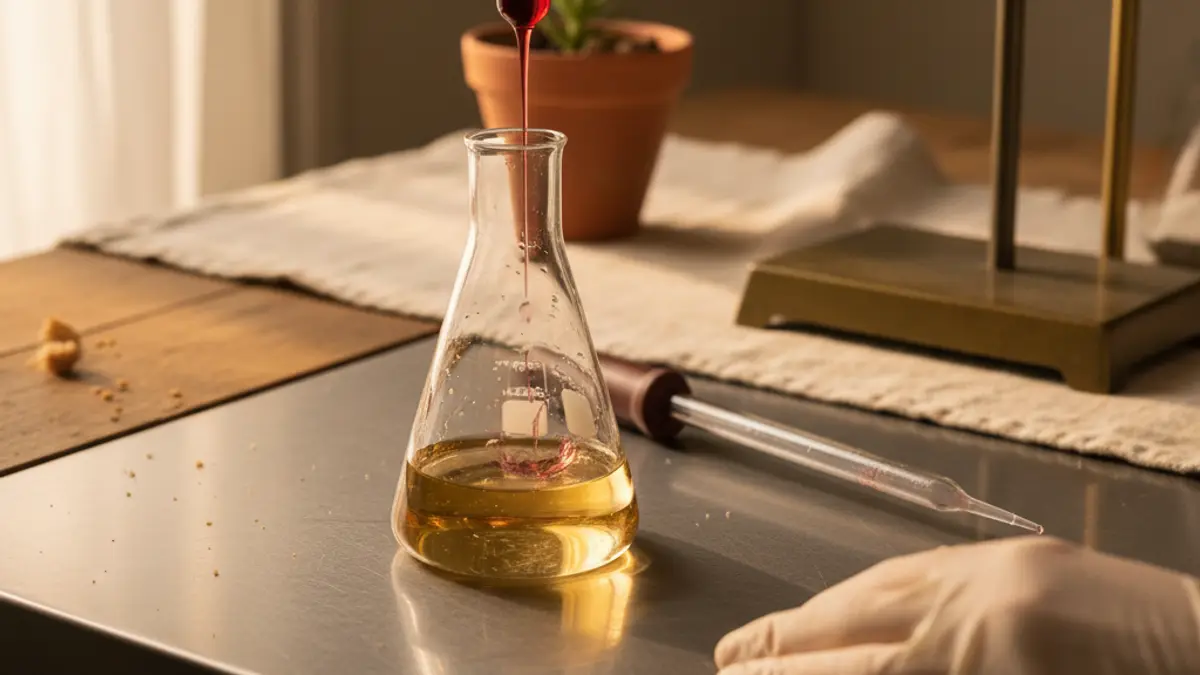
लगभग हर wine label पर “contains sulphites” क्यों लिखा होता है?
लगभग हर bottle पर “contains sulphites” phrase इसलिए लिखा होता है क्योंकि European Commission के EU नियम total sulphur dioxide 10 mg per litre से अधिक होने पर यह declaration ज़रूरी करते हैं। European Commission का threshold disclosure point है, यह statement नहीं कि wine अपनी category ceiling तक पहुँच चुकी है। इसलिए declaration threshold से ऊपर मौजूदगी की पुष्टि करता है, exact amount नहीं बताता।
“contains sulphites” wording की व्याख्या बहुत व्यापक नहीं करनी चाहिए। European Commission के EU rule के तहत इसका मतलब है कि total sulphur dioxide 10 mg per litre से अधिक है। इसका मतलब यह नहीं कि wine में maximum permitted amount है, producer ने असामान्य रूप से अधिक addition किया है या wine किसी particular style की है।
European Commission का threshold यह भी समझाता है कि bottles में sulfite content की तुलना करने के लिए declaration कोई उपयोगी ranking system नहीं है। 10 mg per litre से ऊपर की हर bottle पर यही wording हो सकती है, भले ही उनमें total sulphur dioxide की मात्रा समान न हो। केवल label देखकर यह नहीं पता लगाया जा सकता कि declaration वाली किस bottle में कम मात्रा है।
“contains sulphites” declaration और “no added sulphites” claim अलग सवालों का जवाब देते हैं। European Commission की declaration 10 mg per litre से अधिक total sulphur dioxide से जुड़ी है, जबकि producer का claim इस बात से जुड़ा है कि sulphur dioxide add किया गया था या नहीं। दोनों statements को एक-दूसरे का पर्याय नहीं मानना चाहिए, और production claim bottle-specific total नहीं बताता, जब तक producer यह information अलग से न दे।
European Commission की declaration हर relevant wine characteristic की ingredient-style inventory भी नहीं है। यह phrase wine की calorie content, alcohol content, residual sugar amount या production history नहीं बताता। अलग nutrition question पर research कर रहे readers VinSip की wine calories guide देख सकते हैं, लेकिन यह याद रखना चाहिए कि calories total sulphur dioxide का measure नहीं हैं।
European Commission का rule declaration को medical causation का proof नहीं बनाता। Wine पीने के बाद सिरदर्द होना और label पर “contains sulphites” लिखा होना एक साथ हो सकते हैं, लेकिन label केवल यह साबित करता है कि regulatory threshold पार हो गया है। Declaration sulfites को wine की हर दूसरी characteristic या उसे पीने की परिस्थितियों से अलग करके नहीं दिखाता।
Labels पर spelling “sulphites” हो सकती है, जबकि सामान्य discussions में “sulfites” लिखा जा सकता है। इस context में VinSip “sulfites” और “sulphites” को एक ही general term के spelling variants मानता है, लेकिन European Commission के rule में दी गई EU label wording “contains sulphites” को बरकरार रखता है। Measured regulatory quantity के लिए total sulphur dioxide ही स्थिर term है।
European Commission का labelling rule एक सीमित और उपयोगी interpretation देता है। Declaration वाली bottle में total sulphur dioxide 10 mg per litre से अधिक है। केवल इस wording से exact bottle content, production method, organic status, quality assessment या medical conclusion नहीं निकाला जा सकता।
Exact total sulphur dioxide amount जानने वाले consumer को standard declaration से आगे देखना होगा। European Commission की wording threshold disclosure देती है, जबकि producer किसी particular wine का technical analysis प्रकाशित कर सकता है। इस additional information के बिना केवल label phrase से declared bottles में exact sulfite content की तुलना संभव नहीं है।
क्या wine में sulfites सिरदर्द का कारण बनते हैं?
European Commission के sulfite rules यह साबित नहीं करते कि wine पीने के बाद सिरदर्द sulfites के कारण होता है। Commission Regulation (EU) 2019/934 oenological practices और permitted substances को govern करता है, जबकि European Commission का “contains sulphites” rule 10 mg per litre से अधिक होने पर disclosure को govern करता है। इनमें से कोई भी regulatory fact किसी individual symptom का कारण नहीं बताता।
Label पर prominent wording wine के बाद होने वाले किसी भी unpleasant experience के लिए sulfites को obvious explanation जैसा बना सकती है। लेकिन European Commission की declaration केवल यह बताती है कि total sulphur dioxide labelling threshold से अधिक है। Declaration यह नहीं दिखाती कि बाद में हुआ सिरदर्द sulfites ने पैदा किया, और न ही यह sulfites को किसी particular wine की दूसरी properties या consumption की परिस्थितियों से अलग करती है।
European Commission की category limits इस सरल claim को भी कमजोर करती हैं कि red wine में ज़रूर अधिक sulfites होते हैं। European Commission dry red wine के लिए total sulphur dioxide ceiling 150 mg per litre और dry white तथा rosé wine के लिए 200 mg per litre तय करता है। इसलिए केवल यह मान लेना कि red category की EU ceiling अधिक है, red wine से जुड़े सिरदर्द को sulfites के कारण नहीं ठहरा सकता।
Regulatory maximum पी गई bottle का analysis नहीं होता। European Commission की dry-wine limits relevant categories में permitted highest amount दिखाती हैं, लेकिन किसी particular red, white या rosé wine में actual total sulphur dioxide नहीं बतातीं। केवल category ceiling के आधार पर symptom report को precise sulfite exposure से नहीं जोड़ा जा सकता।
European Commission की “contains sulphites” declaration की भी यही सीमा है। Wording total sulphur dioxide के 10 mg per litre से अधिक होने की पुष्टि करती है, लेकिन actual amount नहीं बताती। एक जैसी declaration वाली bottles में किसमें अधिक total sulphur dioxide था, यह additional producer data के बिना पता नहीं चल सकता।
“No added sulphites” वाली bottle headache question का controlled test नहीं है। Producer का claim addition choice बताता है, finished wine की हर characteristic नहीं, और यह measured total sulphur dioxide amount भी नहीं देता। Wines के बीच मौजूद दूसरे differences production claim को sulfites को अकेला relevant variable साबित करने से रोकते हैं।
Cited regulatory information से समर्थित सबसे सही conclusion सीमित है। European Commission की limits और label rules यह समझाती हैं कि क्या मौजूद हो सकता है, कौन-सी maximum लागू होती है और disclosure कब ज़रूरी है। ये rules सिरदर्द का diagnosis नहीं करतीं और न यह साबित करती हैं कि disclosed substance उसका कारण था।
किसी worrying reaction वाले व्यक्ति को wine colour, category ceiling या standard “contains sulphites” declaration पर निर्भर रहने के बजाय उचित healthcare professional से individual advice लेनी चाहिए। यह सलाह इस बात को ध्यान में रखती है कि European Commission की regulatory information किसी individual event के बारे में क्या साबित कर सकती है और क्या नहीं। यह page diagnosis या clinical assessment का substitute नहीं है।
Pattern को सही तरह describe करने की कोशिश करते समय consumers bottle-specific information record कर सकते हैं। Useful details में wine category, exact label claims और producer द्वारा दी गई technical information शामिल हो सकती है। ऐसे records event का description बेहतर बना सकते हैं, लेकिन European Commission का regulatory framework इन observations को causation का proof नहीं बनाता।
Organic wine के लिए EU sulphur dioxide limits कितनी कम हैं?
European Commission के EU organic wine rules corresponding conventional dry-wine ceilings की तुलना में lower total sulphur dioxide ceilings तय करते हैं। 2 g of sugar per litre से कम वाली organic wine के लिए European Commission red wine पर 100 mg per litre और white तथा rosé wine पर 150 mg per litre की ceiling तय करता है। Sugar threshold से ऊपर European Commission हर organic ceiling में 30 mg per litre की बढ़ोतरी करता है।
European Commission की conventional dry-wine limits dry red wine के लिए 150 mg per litre और dry white तथा rosé wine के लिए 200 mg per litre हैं। इसलिए specified low-sugar categories के लिए European Commission की organic ceilings अधिक restrictive हैं। Organic status का मतलब यह नहीं कि total sulphur dioxide पूरी तरह absent होना चाहिए।
| Organic wine category | Total sulphur dioxide ceiling |
|---|---|
| Red wine | 100 mg per litre |
| White wine | 150 mg per litre |
| Rosé wine | 150 mg per litre |
Sugar condition European Commission के organic rule का हिस्सा है और figures के साथ जुड़ी रहनी चाहिए। Organic red wine के लिए 100 mg per litre और organic white तथा rosé wine के लिए 150 mg per litre की ceilings तभी लागू होती हैं, जब wine में 2 g of sugar per litre से कम हो। उस threshold से ऊपर European Commission हर applicable organic ceiling में 30 mg per litre की बढ़ोतरी करता है।
Organic wine ceiling maximum है, bottle की guaranteed content नहीं। European Commission का organic rule applicable category के लिए permitted total sulphur dioxide को सीमित करता है, लेकिन यह नहीं कहता कि हर organic wine में maximum मात्रा होगी। Bottle-specific amount के लिए producer information या appropriate analysis चाहिए।
European Commission की lower organic ceilings labelling requirement को खत्म नहीं करतीं। European Commission total sulphur dioxide 10 mg per litre से अधिक होने पर “contains sulphites” ज़रूरी करता है, भले ही organic wine अपनी lower applicable ceiling के भीतर हो। इसलिए organic bottle पर conventional bottle जैसी ही declaration हो सकती है।
Organic certification और “no added sulphites” अलग claims हैं। European Commission के organic rules specified categories के लिए lower applicable total sulphur dioxide ceilings लागू करते हैं, जबकि “no added sulphites” statement producer की addition choice बताता है। किसी claim को दूसरे के substitute की तरह इस्तेमाल नहीं करना चाहिए।
Organic status vegan production, calories, alcohol या individual symptoms से जुड़े अलग सवालों का जवाब भी नहीं देता। इस category की व्यापक explanation के लिए readers VinSip की organic wine guide देख सकते हैं। Animal-derived processing aids पर research कर रहे readers VinSip की vegan wines guide देख सकते हैं।
European Commission का organic rule एक precise लेकिन सीमित conclusion देता है। Qualifying organic wines पर cited conventional dry-wine categories की तुलना में lower total sulphur dioxide ceilings लागू होती हैं। Organic label bottle में exact amount नहीं बताता, यह guarantee नहीं करता कि bottle 10 mg per litre से नीचे है और यह साबित नहीं करता कि किसी individual drinker को wine का particular experience होगा।
Organic और conventional bottles की तुलना करते समय buyer को category limits और measured contents में फर्क करना चाहिए। European Commission की ceilings बताती हैं कि क्या permitted है, जबकि bottle-specific technical figure के लिए producer relevant source है। उस figure के बिना lower organic ceiling regulatory comparison तो देती है, लेकिन particular bottles के बीच exact comparison नहीं।
क्या wine को accurately “no added sulphites” कहा जा सकता है?
Wine को “no added sulphites” तब कहा जा सकता है, जब यह claim producer के sulphur dioxide न मिलाने के decision से जुड़ा हो। “No added sulphites” claim production statement है, जबकि total sulphur dioxide European Commission के EU rules में इस्तेमाल होने वाली measured quantity है। Production statement अपने-आप finished wine में total sulphur dioxide की content नहीं बताता।
यह फर्क महत्वपूर्ण है क्योंकि “no added sulphites” और “contains sulphites” अलग सवालों का जवाब देते हैं। Producer का claim addition से जुड़ा है, जबकि European Commission की declaration total sulphur dioxide 10 mg per litre से अधिक होने पर लागू होती है। Addition न होने को laboratory statement के बराबर नहीं मानना चाहिए, जिसमें total sulphur dioxide बिल्कुल न होने की पुष्टि हो।
“Sulfite-free” claim “no added sulphites” से broader है। Broader wording finished wine की contents का वर्णन करती हुई लगती है, जबकि narrower wording production choice बताती है। Total sulphur dioxide को लेकर certainty चाहने वाले buyer को production phrase से complete absence का अनुमान लगाने के बजाय bottle-specific figure माँगनी चाहिए।
Commission Regulation (EU) 2019/934 EU में wine बनाने की oenological practices और permitted substances तय करता है, जिनमें sulphur dioxide भी शामिल है। European Commission की permission का मतलब है कि added sulphur dioxide ordinary regulated EU winemaking practice का हिस्सा हो सकता है। किसी permitted substance का इस्तेमाल या न इस्तेमाल अपने-आप wine को बेहतर, खराब, artisanal या industrial साबित नहीं करता।
No-added-sulphites claim यह भी तय नहीं करता कि wine पर कौन-सी ceiling लागू होगी। European Commission की limits regulatory category पर निर्भर करती हैं, जिनमें wine type, residual sugar और organic status से जुड़े distinctions शामिल हैं। Relevant ceiling पहचानने के लिए ज़रूरी category information की जगह production claim नहीं ले सकता।
European Commission का “contains sulphites” rule complete composition statement के बजाय threshold disclosure है। अगर bottle पर यह declaration है, तो supported conclusion यह है कि total sulphur dioxide 10 mg per litre से अधिक है। Label exact total नहीं बताता और यह भी नहीं समझाता कि वह total producer की production choices से कैसे जुड़ा है।
Handling और storage claim के precise meaning से अलग considerations हैं। Bottle care पर विचार कर रहे readers VinSip की wine storing guide देख सकते हैं, जबकि opened bottle पर विचार कर रहे readers VinSip की wine lasts guide देख सकते हैं। Storage guidance या addition claim, total sulphur dioxide की European Commission वाली regulatory definition को नहीं बदलते।
No-added-sulphites claim को headache solution के proof के रूप में पेश नहीं करना चाहिए। European Commission की regulatory information किसी individual headache का कारण नहीं बताती, और production claim wine की हर relevant feature को अलग नहीं करता। Medical conclusion चाहने वाले व्यक्ति को front-label production statement से अधिक information चाहिए।
सबसे सावधान consumer reading सीमित है। “No added sulphites” का मतलब है कि producer sulphur dioxide न मिलाने की report करता है, जबकि “contains sulphites” का मतलब है कि total sulphur dioxide European Commission के 10 mg per litre threshold से अधिक है। Producer की additional technical information के बिना कोई भी phrase exact bottle-specific total नहीं बताता।
क्या non-alcoholic wines अपने-आप sulfites से मुक्त होती हैं?
Non-alcoholic wine को sulfites से मुक्त नहीं मानना चाहिए। European Commission के sulphur dioxide rules permitted oenological practices, total sulphur dioxide ceilings और disclosure से जुड़े हैं, जबकि “non-alcoholic” description product की अलग characteristic बताती है। Alcohol से जुड़ा claim total sulphur dioxide की measurement नहीं देता।
Relevant EU rule के तहत बिकने वाली wine में total sulphur dioxide 10 mg per litre से अधिक होने पर European Commission “contains sulphites” declaration ज़रूरी करता है। इसलिए wine alternatives की तुलना करने वाले buyer को हर product की अपनी allergen declaration और producer information देखनी चाहिए। “Non-alcoholic” शब्द sulphite declaration की जगह नहीं लेता।
Non-alcoholic wine label पर कई अलग statements हो सकती हैं, और हर statement की interpretation केवल उसी subject के लिए करनी चाहिए जिससे वह जुड़ी है। European Commission की “contains sulphites” wording बताती है कि total sulphur dioxide threshold पार हो गया है। अलग alcohol-related statement यह नहीं बताती कि product उस threshold से ऊपर है या नीचे।
Products की तुलना कर रहे readers VinSip की non-alcoholic wines guide देख सकते हैं। Sulfite से जुड़े सवालों के लिए product-specific labels और producer information फिर भी ज़रूरी हैं, क्योंकि category names exact total sulphur dioxide amount नहीं बताते। Organic, vegan और no-added-sulphites claims की तुलना करते समय भी यही सावधानी रखनी चाहिए।
सबसे भरोसेमंद तरीका यह है कि हर term को उसके defined subject से जोड़कर पढ़ा जाए। Total sulphur dioxide sulfite limits और disclosure का regulatory measure है, “no added sulphites” production claim है, organic lower specified ceilings वाली certification category है, और non-alcoholic एक अलग characteristic बताता है। इन terms को मिलाकर कोई व्यापक assumption बनाना ऐसे निष्कर्ष दे सकता है जिनका European Commission के rules समर्थन नहीं करते।
निष्कर्ष
सल्फाइट्स सल्फर वाले यौगिक हैं, जिन पर EU में winemaking के लिए European Commission के नियम लागू होते हैं, और ceilings तथा disclosure के लिए total sulphur dioxide regulatory measure है। European Commission dry red wine के लिए EU total sulphur dioxide limit 150 mg per litre और dry white तथा rosé wine के लिए 200 mg per litre तय करता है, जबकि अधिक residual sugar वाली wines के लिए higher ceilings हैं। Total sulphur dioxide 10 mg per litre से अधिक होने पर European Commission “contains sulphites” ज़रूरी करता है। इसी वजह से लगभग हर bottle पर यह wording होती है, लेकिन इससे bottle की exact amount पता नहीं चलती। 2 g of sugar per litre से कम वाली organic wine के लिए European Commission red wine पर 100 mg per litre और white तथा rosé wine पर 150 mg per litre की lower ceilings तय करता है, और उस sugar threshold से ऊपर हर ceiling में 30 mg per litre की बढ़ोतरी करता है। Commission Regulation (EU) 2019/934 EU में winemaking की oenological practices और permitted substances तय करता है, जिनमें sulphur dioxide भी शामिल है। “No added sulphites” claim addition choice बताता है, exact total sulphur dioxide measurement नहीं, और European Commission की regulatory limits तथा label wording wine पीने के बाद किसी individual headache का कारण साबित नहीं करतीं।
प्राथमिक स्रोत
इस पेज का हर आँकड़ा उसी संस्था से लिया गया है जिसका नाम उसे बताने वाले वाक्य में दिया गया है। हर आँकड़ा यहाँ जाँचें: