

कैसे पता चले कि वाइन में दोष है, न कि वह बस आपको पसंद नहीं?
Faulty wine में लगातार बना रहने वाला, पहचाने जाने योग्य quality failure होता है, जबकि जो वाइन आपको पसंद नहीं आती वह sound हो सकती है, बस आपकी पसंद के मुताबिक नहीं। AWRI पहचाने गए wine faults और taints को उनकी characteristic smells के आधार पर catalogues में दर्ज करता है। इससे taster किसी खास observation की तुलना published sensory reference से कर सकता है। केवल यह सामान्य प्रतिक्रिया कि वाइन unpleasant है, अपने-आप में wine fault साबित करने के लिए पर्याप्त नहीं है।
Sound wine firm, bitter, acidic, tannic, sweet, smoky, earthy या strongly oaked हो सकती है। ये characteristics किसी individual drinker को नापसंद हो सकती हैं, लेकिन इससे quality failure साबित नहीं होता। Serving condition अनुपयुक्त होने पर sound wine muted, broad या awkward भी लग सकती है। VinSip की wine serving temperature guide बताती है कि temperature aroma, alcohol, acidity और structure की perception को कैसे बदलता है।
साफ glass से शुरुआत करें और यह तय करने से पहले लिखें कि वाइन की गंध कैसी है कि bottle faulty है या नहीं। AWRI की recognised sensory categories damp cardboard यानी cork taint, bruised apple यानी oxidation, struck match या rotten egg यानी reduction, cooked fruit यानी heat-related deterioration और vinegar यानी volatile acidity जैसे descriptions के लिए reference देती हैं। Broad judgement की तुलना में descriptive language अधिक उपयोगी है, क्योंकि दूसरा व्यक्ति भी वाइन को सूंघकर उसी संकेत की जांच कर सकता है।
Fruit intensity भी मायने रखती है। AWRI का cork taint description तब relevant होता है जब वाइन musty लगे, लेकिन TCA fruit को suppress करके वाइन को असामान्य रूप से empty या stale भी छोड़ सकता है। इसलिए closer assessment के लिए bottle का बहुत mouldy गंध देना जरूरी नहीं। Muted fruit के साथ लगातार damp या musty aroma का combination closure की condition या appearance से अधिक informative होता है।
Context को sensory diagnosis का समर्थन करना चाहिए, उसकी जगह नहीं लेनी चाहिए। गर्म glass broad aromas को बढ़ा सकता है, जबकि ठंडा glass aroma छिपाकर sound wine को closed जैसा बना सकता है। हवा के संपर्क से कुछ reduction-related aromas नरम पड़ सकते हैं, लेकिन unusual smell वाली हर wine के लिए air सामान्य इलाज नहीं है। VinSip की wine tasting guide appearance, aroma, flavour, structure और overall judgement को अलग-अलग देखने का structured तरीका देती है।
| संवेदी संकेत | व्यावहारिक diagnosis | हवा के प्रति संभावित प्रतिक्रिया | व्यावहारिक कदम |
|---|---|---|---|
| गीला कार्डबोर्ड, mouldy cloth या लगातार muted fruit | TCA के कारण cork taint | हवा से दोष दूर होने की उम्मीद नहीं | वाइन परोसना रोकें और assessment या replacement मांगें |
| Sherry जैसी, bruised-apple, stale-nut या browned-fruit character | जब यह style के लिए unwanted हो तो oxidation | हवा खोई हुई freshness वापस नहीं ला सकती | बोतल संभालकर रखें और assessment मांगने पर विचार करें |
| Struck-match, flinty या smoky aroma | Reduction | हवा के संपर्क से aroma कम हो सकता है | फैसला लेने से पहले वाइन को swirl करें, pour करें और फिर सूंघें |
| Rotten-egg, drain जैसी या बहुत sulphurous aroma | अधिक severe reduction | हवा के संपर्क के बावजूद aroma बना रह सकता है | हवा लगने दें; aroma हावी रहे तो assessment मांगें |
| Cooked fruit, jammed character, seepage या displaced closure | Physical या storage evidence से समर्थित heat damage | हवा से deterioration पलटने की उम्मीद नहीं | बोतल संभालकर रखें और seller को storage concern बताएं |
| हावी vinegar जैसी या nail-polish character | Volatile acidity | हवा से dominant unwanted character हटने की उम्मीद नहीं | Restaurant या retailer से bottle assess करने को कहें |
यह table diagnostic aid है, इस बात का proof नहीं कि unusual aroma का हर उदाहरण defective है। AWRI का catalogue recognised wine faults और taints को personal impressions से अलग करता है, लेकिन taster को वाइन की intended style पर भी विचार करना चाहिए। कुछ styles में nutty या oxidative aromas जानबूझकर रखे जाते हैं, जबकि smoky, earthy या savoury aromas production, grape variety या maturity की सामान्य अभिव्यक्ति हो सकते हैं।
Tasting record में observation और judgement को अलग रखें। “damp cardboard” लिखें, “awful” नहीं; “bruised apple” लिखें, “old” नहीं; या “rotten egg” लिखें, “bad” नहीं। फिर AWRI के sensory catalogue को उस observation की जांच के reference के रूप में इस्तेमाल किया जा सकता है। यह तरीका complaint को भी स्पष्ट बनाता है, क्योंकि restaurant या retailer उसी sensory sign की जांच कर सकता है।
यदि assessment या return की संभावना हो तो बची हुई वाइन और bottle उपलब्ध रखें। Seller उस wine की जांच नहीं कर सकता जिसे फेंक दिया गया हो, और bottle का closure, capsule, fill और seepage के signs उपयोगी context दे सकते हैं। Sensory evidence सबसे महत्वपूर्ण है, लेकिन bottle को संभालकर रखने से restaurant या retailer को concern की पुष्टि करने का उचित अवसर मिलता है।
Corked wine की असल में गंध कैसी होती है?
Corked wine में आम तौर पर damp cardboard, musty paper, mouldy cloth, wet cellar या expected fruit का stale और muted version जैसी गंध आती है। Cork taint 2,4,6-trichloroanisole के कारण होता है, जिसे TCA कहा जाता है, और AWRI इसे recognised wine faults और taints के catalogue में शामिल करता है। सबसे उपयोगी evidence glass में मौजूद aroma है, cork की appearance नहीं।
TCA एक साथ musty character जोड़ सकता है और fruit को suppress कर सकता है। इसलिए AWRI का sensory reference यह समझने में मदद करता है कि corked wine बहुत mouldy लगे बिना भी strangely empty, dull या aroma से stripped क्यों लग सकती है। Muted fruit और damp या musty character का persistent combination, केवल यह अस्पष्ट एहसास कि wine में excitement नहीं है, से अधिक convincing होता है।
“Corked wine” का मतलब cork taint है, natural cork से खोली गई हर disappointing bottle नहीं। Crumbly, stained या wet cork अपने-आप cork taint साबित नहीं करता, और साफ दिखने वाला cork इसे खारिज भी नहीं करता। Closure bottle के बारे में context दे सकता है, लेकिन diagnosis wine के sensory character पर निर्भर करता है।
AWRI के अनुसार कुछ assessors wine में 1 nanogram per litre से कम TCA detect कर लेते हैं। AWRI यह भी बताता है कि sensory thresholds आम तौर पर white wine में करीब 3 to 7 nanograms per litre होती हैं, जो red wine की करीब 8 to 15 nanograms per litre से कम हैं। Individual sensitivity और wine style में अंतर के कारण careful tasters एक ही suspected bottle पर ईमानदारी से अलग निष्कर्ष पर पहुंच सकते हैं।
Reported thresholds sensory thresholds हैं; यह गारंटी नहीं कि हर assessor एक जैसी प्रतिक्रिया देगा। AWRI के figures बताते हैं कि TCA बेहद कम concentrations पर detect हो सकता है और आसपास की wine यह प्रभावित करती है कि character कितनी आसानी से notice होगा। Delicate white wine में musty character fuller red wine से अलग तरह से सामने आ सकता है, जबकि कम sensitive taster को केवल इतना महसूस हो सकता है कि fruit subdued है।
हवा के संपर्क से cork-tainted wine से TCA नहीं हटता। Swirling या decanting sound wine को अधिक expressive बना सकते हैं, लेकिन persistent musty character और suppressed fruit assessment मांगने के कारण बने रहते हैं। इंतजार करने पर missing fruit और unwanted aroma के बीच का contrast पहचानना और आसान हो सकता है।
सिर्फ ordinary earthy, forest-floor या mature aromas के आधार पर cork taint diagnose नहीं करना चाहिए। AWRI का catalogue उपयोगी है क्योंकि recognised sensory reference musty character को expected fruit के loss या suppression के साथ जोड़ता है। Mature wine developed aromas दिखा सकती है और फिर भी coherence, balance और identifiable wine character बनाए रख सकती है; cork-tainted wine अक्सर dulled और stripped लगती है।
Restaurant में smell का वर्णन करें और server से glass assess करने को कहें। “Wine में damp cardboard की गंध है और fruit muted लग रहा है” कहना “bottle bad है” कहने से अधिक precise है। Restaurant wine की दूसरी bottle से तुलना कर सकता है या knowledgeable staff member से उन्हीं sensory signs की जांच करा सकता है।
Retail purchase के मामले में bottle, बची हुई wine, closure और जहां संभव हो proof of purchase संभालकर रखें। Retailer को बताएं कि concern TCA के कारण होने वाला cork taint है और damp, musty या fruit-suppressing character का वर्णन करें। इस तरह retailer के पास preference पर आधारित report के बजाय sensory description और physical bottle दोनों होंगे।
European Union में winemaking को नियंत्रित करने वाली oenological practices और permitted substances को European Commission ने Commission Regulation (EU) 2019/934 में निर्धारित किया है। यह regulatory framework permitted production practices और substances से संबंधित है, जबकि consumer के लिए cork taint की practical recognition sensory रहती है। AWRI का catalogue poured glass में समस्या पहचानने के लिए relevant smell-based reference देता है।
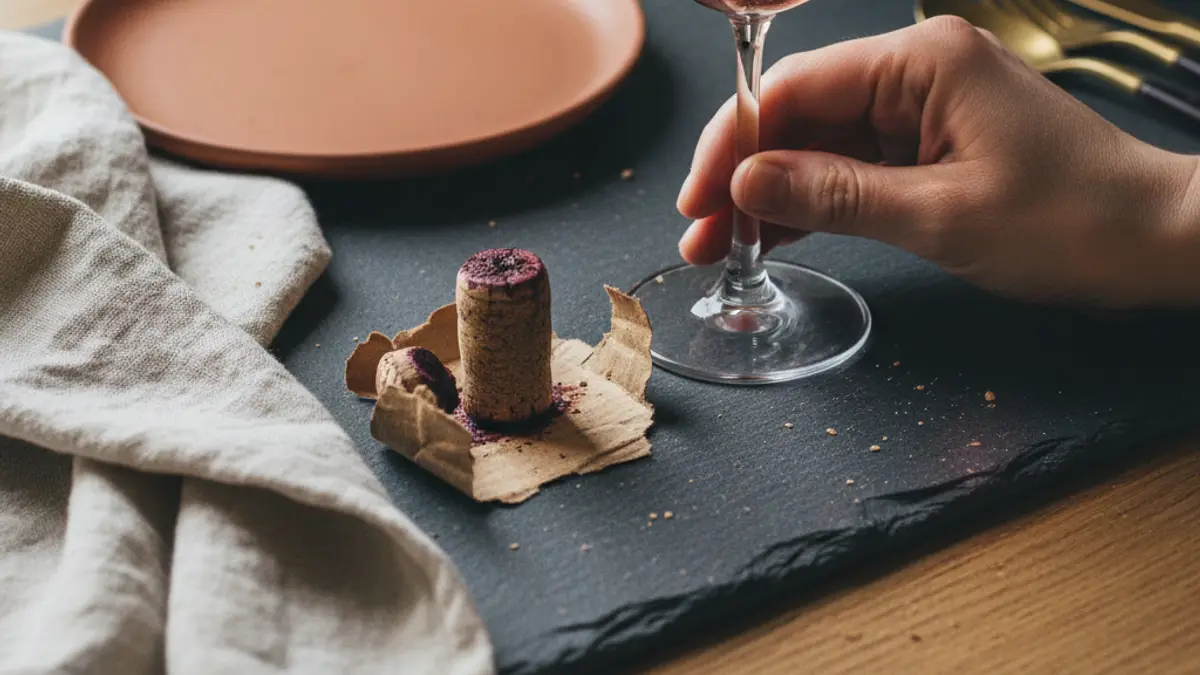
कुछ wine में sherry या bruised apple जैसी गंध क्यों आती है?
Sherry जैसी, bruised-apple, stale-nut या browned-fruit aroma अक्सर oxidation की ओर संकेत करती है, जब वह character wine की intended style के लिए unwanted हो। AWRI recognised wine faults और taints में oxidation को catalogue करता है और sensory descriptions देता है, जिनसे taster bottle की तुलना कर सकता है। Diagnosis में style को शामिल करना चाहिए, क्योंकि कुछ wines जानबूझकर oxidative character के साथ बनाई जाती हैं।
Intentionally oxidative wine केवल nutty या sherry जैसी गंध के कारण faulty नहीं होती। उपयोगी सवाल यह है कि क्या यह character expected style का हिस्सा है और freshness, structure तथा identifiable wine character के साथ balanced है। जब ordinarily fresh या fruit-led wine stale, browned, tired या depleted लगे, तब oxidation practical fault diagnosis बनता है।
Unwanted oxidation से freshness खत्म हो जाने के बाद हवा के संपर्क से वह वापस नहीं आती। Decanting closed लेकिन sound wine से aroma निकाल सकता है, पर oxidation से खोया fruit character फिर नहीं बना सकता। इसलिए bruised apple, stale nuts या अनुपयुक्त sherry जैसी aroma से dominated newly opened bottle के further waiting से ठीक होने की संभावना कम है।
Serving temperature कुछ समय के लिए tired wine के aspects जैसी लग सकती है। VinSip की wine serving temperature guide बताती है कि बहुत अधिक warmth aroma को broad और alcohol को prominent कर सकती है, जबकि बहुत अधिक cold fruit और aroma को mute कर सकती है। Serving condition ठीक करने से sound wine बेहतर हो सकती है, लेकिन persistent bruised-apple या stale-sherry character oxidation diagnosis का समर्थन करता है।
Storage history oxidation के लिए context देती है, sensory evidence की जगह नहीं लेती। VinSip की how to store wine guide stable, protected conditions का महत्व समझाती है, जबकि VinSip की how long wine lasts guide gradual development और opening या storage के बाद deterioration के बीच का फर्क बताती है। Aroma अकेले bottle की पूरी history नहीं बता सकता, लेकिन compromised closure, seepage या unsuitable storage diagnosis को support कर सकते हैं।
Maturity अपने-आप oxidation नहीं है। Developed wine dried fruit, nuts, savoury aromas या diminished primary fruit दिखा सकती है और फिर भी balanced तथा अपनी style के अनुरूप हो सकती है। AWRI की sensory categories तब सबसे उपयोगी होती हैं जब taster dominant unwanted character को पहचानता है, न कि हर mature aroma को fault मान लेता है।
Colour supporting evidence दे सकता है, लेकिन colour को अकेले इस्तेमाल नहीं करना चाहिए। Grape variety, production method या maturation के कारण wine स्वाभाविक रूप से गहरी या अलग दिख सकती है। Oxidation का stronger practical case तब बनता है जब inappropriate browned या stale character के साथ expected freshness और fruit भी कम हो जाए।
Physical bottle signs भी assessment में मदद कर सकते हैं। Compromised seal, leakage या unexpectedly low fill यह संकेत दे सकते हैं कि wine ठीक से protected नहीं रही, लेकिन ये signs smelling और tasting की जगह नहीं ले सकते। Bottle की condition contextual evidence है, जबकि unwanted sensory character central evidence है।
यदि newly opened bottle oxidised लगे तो restaurant या retailer के assessment के लिए पर्याप्त wine बचाकर रखें। Specific aroma का वर्णन करें, बताएं कि यह expected style से inconsistent क्यों लगती है और old या bad जैसे broad words पर निर्भर न रहें। Bruised apple, stale nuts या unwanted sherry जैसी character की स्पष्ट report seller को bottle check करने का practical आधार देती है।
Origin और production rules stylistic expectations तय करने में मदद कर सकते हैं। VinSip की wine appellations explained guide बताती है कि geographical origin और production rules उस प्रकार की wine को कैसे shape कर सकते हैं जिसकी buyer reasonably उम्मीद करता है। Appellation किसी individual bottle के sound होने का proof नहीं है, लेकिन यह तय करने में मदद कर सकता है कि oxidative character intentional है या style से inconsistent।
यह struck-match या rotten-egg smell क्या है, और क्या यह चली जाती है?
Struck-match, flinty या smoky smell आम तौर पर reduction की ओर संकेत करती है, जबकि rotten-egg, drain जैसी या बहुत sulphurous smell reduction के अधिक severe रूप का संकेत दे सकती है। AWRI इन sensory signs को recognised wine faults और taints में catalogue करता है। कुछ reduction-related aromas wine के air exposure के बाद कम हो सकते हैं, इसलिए bottle reject करने से पहले reassessment उपयोगी है।
Clean glass में wine को swirl करके air exposure के बाद फिर सूंघें। हल्की struck-match character इतनी fade हो सकती है कि underlying fruit साफ महसूस होने लगे। Persistent rotten-egg या drain जैसी character stronger quality concern है, खासकर जब aeration के बाद भी aroma wine पर हावी रहे।
Wine को बड़े vessel में pour करने से air के साथ contact बढ़ सकता है, लेकिन इसका उद्देश्य assessment है, guaranteed cure नहीं। Reduction cork taint और oxidation से अलग तरह से behave कर सकती है क्योंकि कुछ reduction-related aromas air के प्रति responsive होते हैं। यदि unwanted aroma dominant बनी रहे तो further waiting उस bottle को स्वीकार करने का कारण नहीं है जो intended character नहीं दिखा रही।
Opening की brief aroma और settled diagnosis में फर्क करें। Bottle खुलते ही wine transient smells छोड़ सकती है और glass में बैठने के साथ वे बदल सकती हैं। AWRI framework तब सबसे उपयोगी है जब taster recognisable aroma पहचानकर wine को air exposure देता है और फिर जांचता है कि वही aroma persist करती है या नहीं।
Reduction और sulphite labelling एक ही concept नहीं हैं। European Commission के अनुसार European Union में बेची जाने वाली wine पर total sulphur dioxide के 10 mg per litre से ऊपर होने पर “contains sulphites” statement होना चाहिए। यह label European Union labelling level से ऊपर sulphites की मौजूदगी बताता है; यह नहीं बताता कि किसी particular wine में struck match, rotten egg या drains जैसी गंध आएगी।
European Commission dry red wine के लिए European Union total sulphur dioxide limit 150 mg per litre और dry white तथा rosé के लिए 200 mg per litre तय करता है; अधिक residual sugar वाली wines के लिए limits अधिक हैं। ये regulatory limits individual glass की smell का diagnosis नहीं करतीं। Reduction पहचानने का relevant sensory basis AWRI का recognised aromas catalogue और air के प्रति wine की response है।
यह फर्क महत्वपूर्ण है क्योंकि consumer sound bottle पर “contains sulphites” देखकर मान सकता है कि यह wording unpleasant sulphurous smell का संकेत है। European Commission labelling rules total sulphur dioxide से संबंधित हैं, जबकि AWRI fault references sensory recognition से। इसलिए label और aroma अलग-अलग सवालों के जवाब देते हैं।
Organic production अपने-आप यह साबित नहीं करती कि wine reduced, oxidised, cork tainted या recognised wine faults से मुक्त होगी। VinSip की guide to organic wine production और labelling context समझाती है, जबकि glass में smell के लिए AWRI का sensory catalogue practical reference बना रहता है। Diagnosis observed aroma और air exposure से उसमें हुए बदलाव पर आधारित होना चाहिए।
Smoky character की भी सावधानी से व्याख्या करनी चाहिए, क्योंकि कुछ wine styles के descriptions में smoke, flint और struck-match impressions को positive रूप से इस्तेमाल किया जा सकता है। Relevant सवाल यह है कि character integrated और appropriate है या wine पर हावी होकर fruit को छिपा रही है। Descriptor unusual लगने भर से aroma fault नहीं बन जाती।
यदि sulphurous smell clear हो जाए और wine expressive तथा balanced बन जाए तो initial reduction return का कारण नहीं हो सकती। यदि rotten-egg, drain जैसी या इसी तरह की intrusive character बनी रहे और wine पर हावी हो जाए तो restaurant या retailer से bottle assess करने को कहें। बताएं कि wine को air exposure दिया गया था और recognisable reduction-related aroma बनी रही।
कैसे पता चले कि wine बहुत गर्म जगह पर रखी गई थी?
Excessive warmth से damaged wine में cooked fruit, jammed aromas, flattened freshness या prematurely tired character दिख सकती है। Seepage, displaced closure या sticky capsule जैसे physical signs sensory signs के साथ होने पर heat damage के diagnosis को support कर सकते हैं। Damaging storage conditions से खोई freshness को air exposure वापस नहीं ला सकता।
Glass में केवल warm wine को heat damaged नहीं मानना चाहिए। Serving temperature tasting के समय perception बदलता है, जबकि heat damage storage या transport के दौरान हुई deterioration है। VinSip की wine serving temperature guide temporary serving issue और persistent cooked या stale character में फर्क करने में मदद करती है।
निष्कर्ष पर पहुंचने से पहले serving condition ठीक करें और fresh pour assess करें। Suitable serving temperature पर wine fresher और अधिक balanced लगे तो original problem presentation की हो सकती है, storage damage की नहीं। यदि cooked fruit, jammed character या tiredness dominant बनी रहे तो heat damage अधिक plausible diagnosis बनता है।
Heat damage sensorially oxidation से overlap कर सकता है। Heat-damaged और oxidised wine दोनों flat, browned या fresh fruit से depleted लग सकती हैं। Storage context और physical evidence likely cause अलग करने में मदद करते हैं: seepage, displaced closure या damaging warmth का known exposure heat damage को support करता है, जबकि bruised-apple और unwanted sherry जैसी aromas oxidation की ओर अधिक सीधे संकेत कर सकती हैं।
हर बार यह distinction पूरी तरह तय करना complaint करने से पहले जरूरी नहीं। Consumer सही रूप से report कर सकता है कि bottle cooked, tired या oxidised लगती है और closure या capsule पर stress के signs हैं। Retailer wine और bottle assess कर सकता है; customer को पूरी storage history साबित करने की जरूरत नहीं।
Storage guidance preventative है, curative नहीं। VinSip की how to store wine guide बताती है कि stable और protected conditions unwanted change को सीमित करने में कैसे मदद करती हैं। Damaging warmth wine बदल देने के बाद chilling, warming, swirling या decanting original freshness को reliably वापस नहीं ला सकते।
कुछ deterioration के बावजूद bottle drinkable रह सकती है, लेकिन drinkability और expected quality अलग सवाल हैं। जिस condition में wine अपनी intended character नहीं दिखा पाती, उस wine का retailer या restaurant को assessment करना चाहिए। Cooked fruit, seepage या displaced closure का वर्णन उस exposure का exact समय बताने के unsupported claim से अधिक उपयोगी है।
Wine की age को heat damage का proof नहीं मानना चाहिए। VinSip की how long wine lasts guide बताती है कि wine समय के साथ बदलती है और extended keeping के लिए suitability style, condition और storage पर निर्भर करती है। Mature bottle sound हो सकती है, जबकि younger-looking bottle unsuitable storage या transport के कारण damaged हो सकती है।
Labels और appellations style, origin और production rules के बारे में expectations देते हैं, लेकिन individual bottle की storage history certify नहीं करते। VinSip की wine appellations explained guide label से जुड़े wine type को समझने का context देती है। Heat-damage assessment sensory character, physical bottle condition और credible storage information पर ही निर्भर होना चाहिए।
Heat damage का संदेह हो तो bottle, closure और बची हुई wine संभालकर रखें। Visible seepage या closure displacement की photo लेने से opening के समय की condition record हो सकती है, जबकि retained wine direct sensory assessment की अनुमति देती है। Seller से bottle examine करने को कहें और cooked, jammed या tired character का वर्णन करें, बिना history के बारे में जितना साबित हो सकता है उससे अधिक दावा किए।
कैसे पता चले कि wine खराब हो गई है?
Wine तब खराब मानी जाती है जब bottle में कुछ ऐसा बदल गया हो जो winemaker की intention के खिलाफ हो, और लगभग हर case में पहला sip लेने से पहले ही smell इसका संकेत दे देती है। नीचे दी गई table symptom से शुरू होती है, क्योंकि व्यक्ति के पास वास्तव में यही होता है: सामने एक glass और यह पता नहीं कि उसमें मौजूद पांच में से कौन-सी समस्या है।
| आप क्या notice करते हैं | सबसे संभावित कारण | क्या air मदद करती है? | क्या करें |
|---|---|---|---|
| Wet cardboard, damp cellar, ऐसी wine जिसमें कोई smell ही न हो | Compound TCA के कारण cork taint | नहीं — glass में समय के साथ यह और खराब लगती है | लौटा दें। Cork taint ऐसा fault है जिसे हर retailer और restaurant बिना बहस स्वीकार करता है |
| Sherry, bruised apple, young wine में dried fruit; browned colour | Failed seal या long storage के कारण oxidation | नहीं — बदलाव पहले ही पूरा हो चुका है | यदि bottle young है तो लौटा दें। Old bottle में यह age है, fault नहीं |
| Struck match, burnt rubber, rotten egg | Winemaking के दौरान oxygen की कमी से reduction | अक्सर हां — decant करें या कुछ मिनट जोर से swirl करें | Judge करने से पहले twenty minutes दें। कई reduced wines इसके बाद ठीक होती हैं |
| Nail varnish, glue, vinegar sharpness | Acetic bacteria के कारण volatile acidity | नहीं | लौटा दें। बहुत कम मात्रा में यह stylistic choice हो सकती है; हावी होने पर fault है |
| Bottle से बाहर निकला cork, sticky neck, dull cooked fruit | Transport या storage में heat damage | नहीं | लौटा दें और बताएं कि इसे कहां खरीदा था — heat damage supply-chain problem है, winemaking problem नहीं |
| Still wine में fizz | Bottle में unintended refermentation | नहीं | लौटा दें। Cheap young white में हल्की prickle जानबूझकर हो सकती है |
| Cloudiness या ऐसी haze जो settle न हो | Microbial spoilage या normally behaving unfined wine | नहीं | पहले सूंघें: unfiltered natural wine cloudy और पूरी तरह sound हो सकती है |
| Glass में या cork के base पर crystals | Tartrate crystals | लागू नहीं | कुछ नहीं। ये harmless, tasteless हैं और संकेत हैं कि wine को cold stabilisation से strip नहीं किया गया |
| Old red में sediment | Precipitated tannin और colour pigments | लागू नहीं | Bottle को एक दिन upright रखें और sediment से अलग decant करें |
आखिरी दो rows इसलिए हैं क्योंकि false alarms में इनका योगदान सबसे अधिक है। Tartrate crystals और sediment दोनों normal हैं, और किसी वास्तविक fault की तुलना में इन्हें अधिक बार faults report किया जाता है।
Bottle लौटाने से पहले सबसे उपयोगी सवाल यह है कि समस्या smell है या preference। Cork taint, oxidation और volatile acidity से किसी भी व्यक्ति को एक बार सामना होने के बाद इन्हें पहचानना संभव है, और जिस भी bottle में ये हों, character एक जैसा रहता है। Wine को too tannic, too dry, too oaky या too sharp पाना आपके अपने taste का description है; retailer आपको इसका refund देने का जिम्मेदार नहीं है — हालांकि अच्छा retailer अगली बार बेहतर चुनने में मदद करेगा।
Wine fault होने पर bottle कब वापस भेजनी चाहिए?
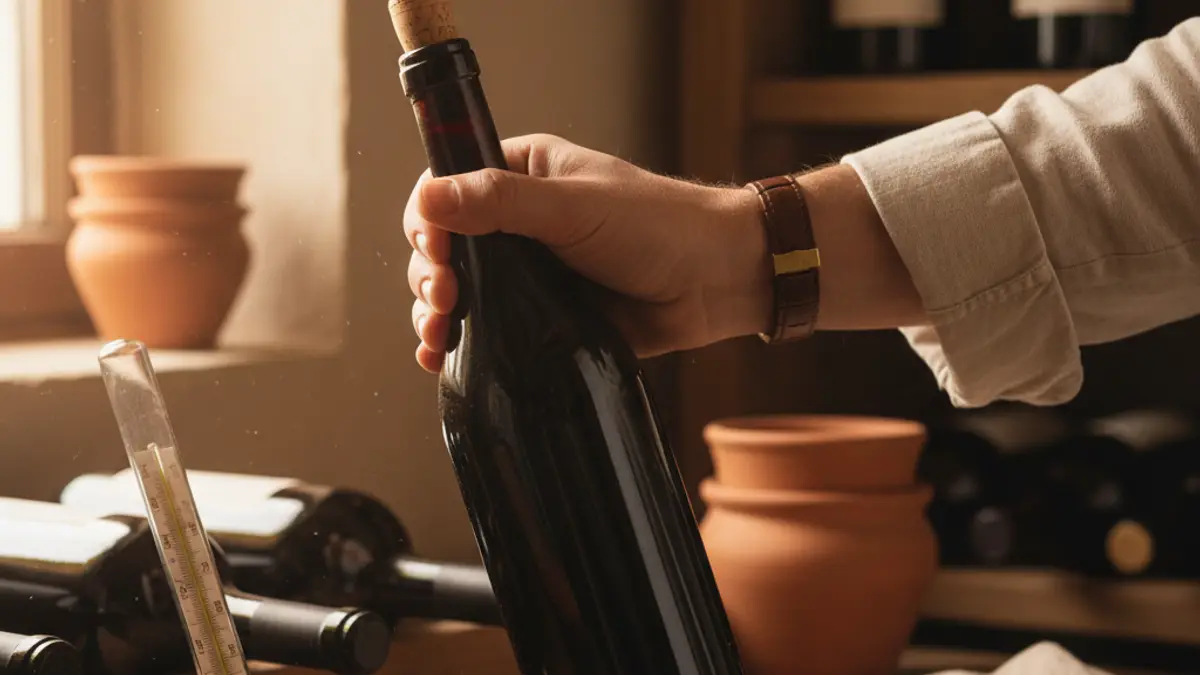
Persistent और recognisable wine fault restaurant या retailer से bottle assess कराने का reasonable basis है। AWRI का recognised wine faults और taints catalogue cork taint, oxidation, reduction और related quality problems report करने के लिए sensory vocabulary देता है। सबसे मजबूत request में specific symptom बताया जाता है, केवल यह नहीं कि wine unpleasant है।
Restaurant में assessment के लिए पर्याप्त wine बची हो तभी server से बात करें। Observable sign का वर्णन करें, जैसे damp cardboard, bruised apple, rotten egg, cooked fruit या dominant vinegar जैसी aroma। Wine check करने का शांत अनुरोध staff को glass सूंघने, bottle inspect करने और replacement उचित है या नहीं तय करने देता है।
Restaurant का tasting pour bottle condition पहचानने में मदद करने के लिए होता है, यह गारंटी देने के लिए नहीं कि हर guest grape variety, region या producer को पसंद करेगा। Sound wine dry, tannic, acidic, earthy, smoky, sweet या unfamiliar हो सकती है। Personal dislike wine fault का evidence नहीं है, जब तक persistent sensory sign recognised fault या taint से correspond न करे।
Cork taint direct assessment के लिए खास तौर पर उपयुक्त है क्योंकि AWRI इसे musty, damp aromas और suppressed fruit से जोड़ता है। बताएं कि wine में damp cardboard या mouldy cloth जैसी smell है और fruit muted लगता है। Cork की appearance पर निर्भर न रहें, क्योंकि relevant evidence wine की sensory condition है।
जब fresh होनी चाहिए ऐसी wine में bruised-apple, stale-nut या unwanted sherry जैसी character हावी हो तो oxidation भी assessment का कारण हो सकती है। Expected style और observed stale character समझाएं, लेकिन हर oxidative aroma को defective न कहें। कुछ wines जानबूझकर oxidative बनाई जाती हैं, इसलिए style restaurant या retailer के evaluation का हिस्सा है।
Reduction में air exposure के बाद reassessment जरूरी है, क्योंकि कुछ reduction-related aromas कम हो सकती हैं। Seller को बताएं कि wine को swirl या pour किया गया था और struck-match, rotten-egg या drain जैसी character बनी रही या नहीं। इससे स्पष्ट होता है कि complaint continuing quality problem से संबंधित है, fleeting opening aroma से नहीं।
जब bottle संभालकर रखी गई हो तो heat damage assess करना आसान होता है। Seepage, displaced closure, sticky capsule और cooked-fruit character को साथ में देखा जा सकता है। Seller से संपर्क करने से पहले बची हुई wine या closure न फेंकें, क्योंकि direct examination जरूरी हो सकती है।
Dominant vinegar जैसी या nail-polish aroma volatile acidity के practical diagnosis को support कर सकती है। Lively acidity, tart fruit या sour-edged style अपने-आप fault नहीं है, खासकर जब wine clean और balanced हो। सवाल यह है कि volatile character intended wine पर हावी है या नहीं, न कि wine sharply acidic लगती है या नहीं।
Retail purchase के लिए जहां संभव हो bottle, बची हुई wine, closure और proof of purchase रखें। Sensory symptom, serving condition और air या temperature adjustment के बाद reassessment की कोशिश का वर्णन करें। General dislike के बजाय recognised quality failure का report retailer को assistance देने का स्पष्ट आधार देता है।
यह दावा न करें कि sensory diagnosis हर safety question का जवाब देती है। AWRI का catalogue recognised wine faults और taints को sensory character के आधार पर classify करता है; यह food-safety assessment का substitute नहीं है। यदि bottle में unexpected foreign matter हो, tampering के signs हों या अलग contamination concern उठता हो तो इसे पीना रोक दें और seller या appropriate authority से advice लें।
Clear language fair assessment की संभावना बढ़ाती है। “Wine में damp cardboard की smell है और fruit muted है” कहना बिना explanation के “wine corked है” कहने से अधिक useful है। “Air exposure के बाद भी rotten-egg aroma बनी रही” कहना “wine को breathe करने की जरूरत है” कहने से अधिक useful है। Description से दूसरा व्यक्ति उसी evidence की जांच कर सकता है।
Return केवल tannin, dryness, sweetness, acidity, unfamiliarity या ऐसी style पर आधारित नहीं होना चाहिए जिसे customer दोबारा नहीं चुनेगा। Return या replacement request तब बेहतर supported होती है जब recognisable fault wine पर हावी होकर उसे intended character दिखाने से रोकता है। Bottle संभालकर रखना और sensory sign का वर्णन करना restaurant या retailer को जवाब देने का सबसे fair अवसर देता है।
निष्कर्ष
Wine fault persistent quality failure है जिसका recognisable sensory sign होता है, जबकि sound wine भी किसी individual drinker को unpleasant लग सकती है। AWRI recognised wine faults और taints को उनकी smell के आधार पर catalogue करता है और diagnosis के लिए published reference देता है, ताकि judgement पूरी तरह personal preference पर निर्भर न रहे।
Cork taint 2,4,6-trichloroanisole के कारण होता है, जिसे TCA कहा जाता है। AWRI के sensory references cork taint को damp, musty aromas और suppressed fruit से जोड़ते हैं। AWRI के अनुसार कुछ assessors 1 nanogram per litre से कम TCA detect कर लेते हैं; sensory thresholds white wine में आम तौर पर 3 to 7 nanograms per litre और red wine में करीब 8 to 15 nanograms per litre होती हैं।
AWRI की sensory categories तब oxidation के practical diagnosis को support करती हैं जब unwanted bruised-apple, stale-nut या sherry जैसी character expected freshness की जगह ले लेती है। Struck-match, smoky, rotten-egg या drain जैसी aromas reduction की ओर संकेत करती हैं और कुछ reduction-related aromas air exposure के बाद कम हो सकती हैं। Cooked fruit, seepage या displaced closure heat damage को support कर सकते हैं, जबकि dominant vinegar जैसी या nail-polish character volatile acidity का संकेत दे सकती है।
Air exposure reduction assess करने में मदद कर सकता है, लेकिन cork taint, oxidation, heat damage या dominant volatile acidity को ठीक करने की उम्मीद नहीं है। Serving temperature और intended wine style भी जांचें, क्योंकि sound wine faulty हुए बिना muted, broad, oxidative, smoky या unfamiliar लग सकती है।
Persistent और recognisable wine fault bottle को restaurant या retailer से assess कराने का reasonable basis है। Specific aroma या flavour का वर्णन करें, जहां संभव हो बची हुई wine और closure रखें और published sensory sign को personal dislike से अलग करें। AWRI का catalogue fault reference देता है, जबकि restaurant या retailer individual bottle assess करके replacement या return उचित है या नहीं तय कर सकता है।
प्राथमिक स्रोत
इस पेज का हर आँकड़ा उसी संस्था से लिया गया है जिसका नाम उसे बताने वाले वाक्य में दिया गया है। हर आँकड़ा यहाँ जाँचें: