

वाइन की कैलोरी कैसे calculate की जाती है
वाइन में कैलोरी मुख्य रूप से alcohol और residual sugar से आती है। Alcohol में प्रति gram लगभग 7 कैलोरी होती हैं, जबकि sugar में 4 कैलोरी प्रति gram। कैलोरी का अनुमान लगाने के लिए आप alcohol by volume (ABV) और grams per liter (g/L) में residual sugar का इस्तेमाल कर सकते हैं, हालांकि दूसरा आंकड़ा U.S. labels पर बहुत कम दिखता है। एक मोटा formula है: calories = (volume in ml x ABV x 0.789 x 7 / 1000) + sugar calories। 150 ml (5 oz) की pour में 12% ABV वाली वाइन sugar को गिने बिना alcohol से लगभग 125 कैलोरी देती है।
इसे संदर्भ में समझें: 12% ABV वाली dry white की 5 oz glass में आमतौर पर 110–130 kcal होती हैं; 14% ABV वाली red में 140–175 kcal हो सकती हैं। Fortified wines और dessert styles में यह काफी अधिक होती हैं। Producers अक्सर कैलोरी कम करने के लिए ABV घटाते हैं: उदाहरण के लिए, कई Prosecco DOC Brut और extra-dry bottlings में 11–12% ABV होता है, जिससे वे कैलोरी scale के निचले हिस्से में आते हैं। Ariel या Fre जैसी Dealcoholized wines से अधिकांश alcohol हटा दिया जाता है और कैलोरी काफी कम हो जाती हैं—अक्सर 5 oz glass में 50 kcal से भी कम।
व्यावहारिक बात: कैलोरी का अनुमान लगाने के लिए पहले ABV देखें, फिर sweetness descriptors चेक करें। Kim Crawford जैसे producers की 11% Marlborough Sauvignon Blanc आमतौर पर Caymus जैसे producers की 14% Napa Valley Cabernet से कम कैलोरी वाली होगी।
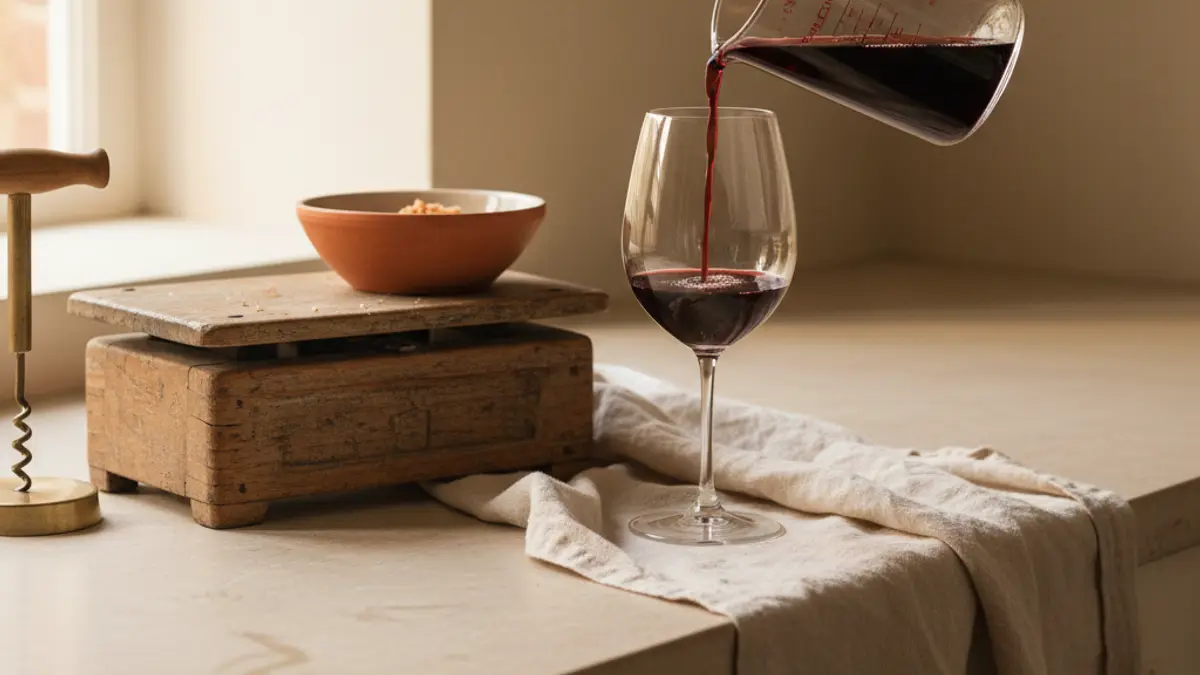
सबसे कम कैलोरी वाले wine styles और grape varieties
कुछ styles और grapes स्वाभाविक रूप से हल्की wines देते हैं। Dry, low-ABV whites और sparkling wines इस सूची में सबसे ऊपर आते हैं। प्रमुख examples में Marlborough की dry Sauvignon Blanc, Rías Baixas की crisp Albariño, Spanish Rueda Verdejo और Italian Pinot Grigio शामिल हैं। ये wines अक्सर bone-dry finish वाली होती हैं और इनमें 11–13% ABV होता है, यानी exact ABV के आधार पर 5 oz glass में लगभग 100–130 kcal।
Provence की Rosé—जैसे Château d'Esclans की Whispering Angel—आमतौर पर light-bodied होती है और 12–13% ABV पर कम कैलोरी वाला विकल्प हो सकती है। Brut Champagne और quality Prosecco (La Marca, Mionetto), जिन पर 'Brut' या 'Extra Dry' लिखा हो, moderate ABV और कम sweetness के कारण कम कैलोरी वाले होते हैं। Reds में Oregon या Burgundy जैसे ठंडे regions की Pinot Noir आमतौर पर बड़ी, ripe Napa Cabs से हल्की होती है; Eyrie Vineyards जैसे producers की 2018 Oregon Pinot में आमतौर पर 12–13% ABV होता है और यह भारी 14.5% Cabernet से कम कैलोरी देती है।
तकनीक भी मायने रखती है: Marlborough, Mosel या Loire Valley जैसे cooler climate sites में grapes में sugar कम होती है और इसलिए potential alcohol भी कम होता है। अगर आपका लक्ष्य सबसे कम कैलोरी वाली वाइन चुनना है, तो इन appellations की wines देखें और back label पर 13% से कम ABV खोजें।
वे brands और labels जो "skinny" या कम कैलोरी वाली wines बेचते हैं
अब कई brands कम कैलोरी या low-carb wines को सीधे market करते हैं। FitVine अपनी bottles और website पर calories और carbs बताता है; FitVine Sauvignon Blanc की कीमत अक्सर $12–18 होती है और ABV तथा residual sugar के आधार पर यह 5 oz में लगभग 90–120 kcal का दावा करती है। Bethenny Frankel द्वारा शुरू की गई Skinnygirl wines low-calorie serving sizes को promote करती हैं और इनकी कीमत लगभग $8–12 होती है। Dealcoholized विकल्पों में Ariel (Trinchero Family Estates) और Fre (Wine Group) शामिल हैं, जिनकी कीमत आमतौर पर $7–15 होती है; इनसे अधिकांश alcohol हटा दिया जाता है और इनमें प्रति serving 20–50 kcal हो सकती हैं।
हर low-calorie brand खुद को 'diet wine' या 'low cal wine' नहीं कहता; कई everyday producers बस dry, low-ABV wines bottle करते हैं। उदाहरण के लिए, Marlborough की Kim Crawford Sauvignon Blanc ($13–18) dry होती है और आमतौर पर 12.5% ABV की होती है—यह आसानी से मिलने वाला कम कैलोरी विकल्प है। Sparkling wine पसंद करने वालों के लिए, Brut label वाली La Marca Prosecco (~$12) में अक्सर 11–12% ABV होता है और यह demi-sec Champagne की तुलना में हल्की calorie count देती है।
खरीदते समय ABV और portion guidance की तुलना करें। Domaine Carneros और Château d'Esclans जैसे boutique producers 'skinny' शब्द का इस्तेमाल नहीं करते, लेकिन उनके dry styles और संतुलित alcohol levels कम कैलोरी वाली sipping के लिए अच्छे विकल्प हो सकते हैं। Price ranges अलग-अलग होती हैं: कई low-cal labels के लिए $8–20 खर्च की उम्मीद रखें, जबकि Veuve Clicquot Yellow Label जैसी premium low-ABV Champagnes fortified wines की तुलना में अपेक्षाकृत moderate calories के बावजूद $40–60 की महंगी रहती हैं।
कम कैलोरी वाली वाइन खोजने के लिए labels और tasting notes पढ़ना
Labels पर कैलोरी शायद ही सीधे लिखी होती हैं, इसलिए संकेत देखें: ABV, fermentation और sweetness descriptors तथा regional style। कम कैलोरी के लिए 'dry', 'brut' या 'bone dry' जैसे शब्द और 13% से कम ABV खोजें। European appellations—Prosecco DOC, Rueda, Marlborough, Rías Baixas—आमतौर पर drier styles को प्राथमिकता देती हैं। Health-conscious buyers को target करने वाले U.S. bottles में nutrition info या calories तेजी से शामिल की जा रही हैं।
Residual sugar दूसरा महत्वपूर्ण factor है। अगर tasting note में 'off-dry', 'fruity' या 'late-harvest' लिखा हो, तो sugar और calories अधिक होने की उम्मीद रखें। इसके उलट, 'citrus', 'minerality' या 'zesty acidity' अक्सर dryness का संकेत होते हैं। उदाहरण के लिए, Bodegas Fillaboa की dry Rías Baixas Albariño (लगभग $12–16) में crisp acid और mineral notes का उल्लेख होगा और residual sugar आमतौर पर कम होगी।
संदेह हो तो retailer से ABV पूछें या producer की websites चेक करें। FitVine और Skinnygirl जैसे कुछ producers प्रति serving सटीक calorie counts प्रकाशित करते हैं। Serving sizes पर भी ध्यान दें: 125 ml (4.2 oz) की European pour में U.S. की 5 oz glass से कम कैलोरी होंगी। आखिर में, अगर आपको 'vino frizzante' या 'brut' दिखे, तो 'dulce' या 'demi-sec' की तुलना में आपके पास कम कैलोरी वाला sparkling विकल्प होने की संभावना है।
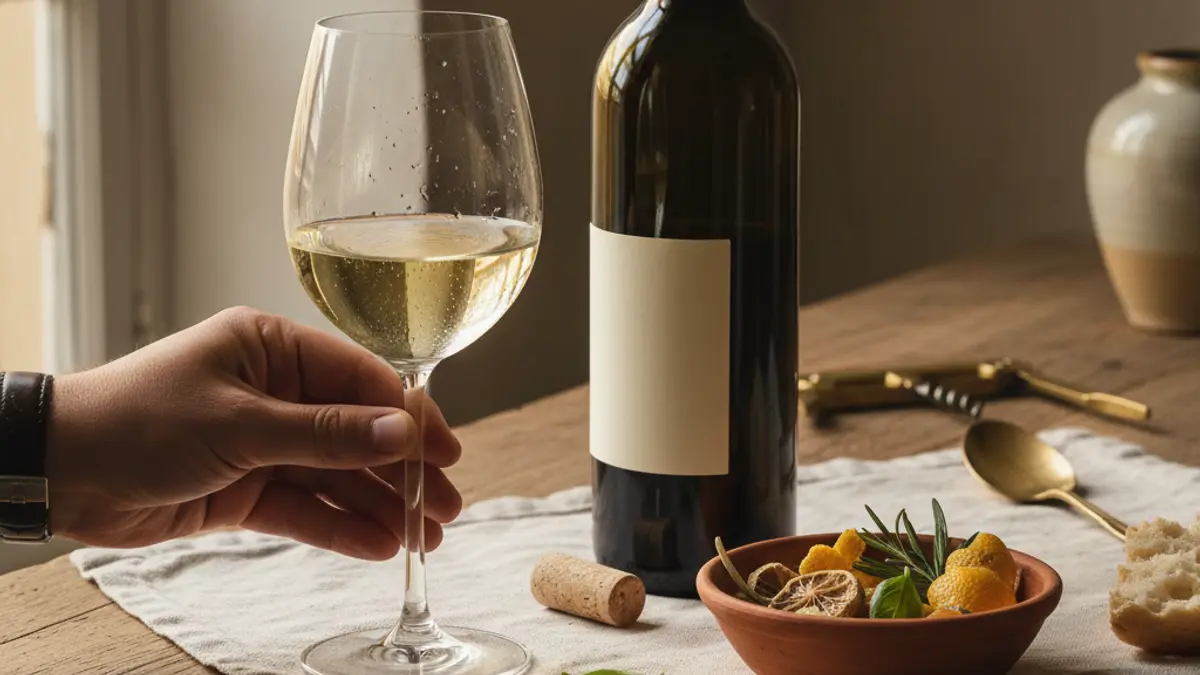
कम कैलोरी वाली wines को food के साथ pair करना
कम कैलोरी वाली wines के साथ pairing करने से meal संतुलित रहता है और भारी food से अतिरिक्त कैलोरी जुड़ने से बचती है। Lean proteins, grilled fish, salads और vegetable-forward dishes हल्की whites और rosés के साथ अच्छी लगती हैं। उदाहरण के लिए, Kim Crawford ($13–18) जैसी Marlborough Sauvignon Blanc goat cheese, oysters और ceviche के साथ अच्छी जाती है और पूरे meal को हल्का रखती है। Dry Albariño shellfish के साथ खूबसूरत pairing बनाती है और बिना हावी हुए fresh स्वाद देती है।
Texture और sauce पर विचार करें: high-fat sauces हल्की wines को फीका महसूस करा सकते हैं, इसलिए light wine को clean, acidic preparations के साथ मिलाएं। Whispering Angel (Château d'Esclans, $18–25) जैसी Provence rosé grilled vegetables, Niçoise salad या lean poultry के साथ अच्छी रहती है। Reds के लिए Oregon के Domaine Serene जैसे producers की Pinot Noir या 12–13% ABV वाली Willamette Valley labels चुनें और इन्हें mushroom dishes या salmon के साथ pair करें, बिना भारी कैलोरी के।
Table पर कैलोरी कम करने के लिए छोटी pours (4–4.5 oz) serve करें, glasses के बीच sparkling water दें और wine spritzers आजमाएं—3 oz wine में 3 oz soda water मिलाने से स्वाद बनाए रखते हुए volume के हिसाब से कैलोरी कम होती है। Brut Prosecco और soda से बना spritzer, straight wine की समान मात्रा की तुलना में per-glass calorie load को लगभग आधा कर देगा।
Health, diet और alcohol से जुड़े विचार
कम कैलोरी होने से alcohol के physiological effects खत्म नहीं होते। कैलोरी count चाहे जो हो, alcohol blood sugar, sleep और liver function को प्रभावित करता है। अगर medical reasons या pregnancy के कारण आपको alcohol से पूरी तरह बचना है, तो Ariel या Leitz Eins-Zwei-Null जैसे fully alcohol-free विकल्प चुनें, जो wine जैसे flavors के साथ बहुत कम alcohol और कम calories देते हैं। अगर आप carbs monitor करते हैं, तो ऐसे labels देखें जिन पर carbohydrates के grams लिखे हों या producer की nutrition info देखें।
Keto जैसी diets में low residual sugar और moderate ABV महत्वपूर्ण हैं; dry 11–12% sauvignon या rosé अक्सर sweet Riesling या dessert wine से बेहतर fit होती है। Diabetics को healthcare providers से सलाह लेनी चाहिए, क्योंकि dry wines भी alcohol के effects के कारण blood glucose बढ़ा सकती हैं। Weight-conscious drinkers एक 125 ml glass तक सीमित रहने, पानी के साथ बारी-बारी से पीने और added sugar वाले mixers से बचने पर विचार कर सकते हैं।
अंत में hydration और pacing याद रखें: alcohol diuretic है, इसलिए wine के साथ पानी पिएं। Dry Prosecco, Marlborough sauvignon या 12% Pinot Noir जैसे कम कैलोरी वाले विकल्प per glass calorie intake घटाते हैं, लेकिन moderation की जरूरत खत्म नहीं करते। अगर आप calories का सख्ती से हिसाब रखते हैं, तो accurate logging के लिए serving के समय ABV और pour size दर्ज करें।
कम कैलोरी वाली वाइन खरीदना, मापना और store करना
Smart buying की शुरुआत ABV और style से होती है। 13% ABV से कम और dry या brut label वाली wines खोजें। ऐसे producers देखें जो nutrition data प्रकाशित करते हों—FitVine और Skinnygirl ऐसा करते हैं—और भरोसेमंद low-calorie producers की list रखें। Price हमेशा calorie content का संकेत नहीं होती: La Marca Prosecco, Kim Crawford या Albariño producers से $8–15 में कम कैलोरी वाले विकल्प मिल सकते हैं, जबकि premium Champagnes calories में moderate होने के बावजूद महंगी रहती हैं।
Intake नियंत्रित करने के लिए pours मापें: U.S. में 5 oz pour standard है, लेकिन इसे 4 oz करने से calories proportionally कम हो जाती हैं। Measuring jigger का इस्तेमाल करें या kitchen scale पर pour तौलें (150 ml = 5 oz, 125 ml ≈ 4.2 oz)। Restaurants में calories manage करने के लिए specific pour size मांगें। घर पर entertaining के दौरान pre-measured carafes guests को जिम्मेदारी से self-serve करने में मदद करती हैं।
Wines को सही temperatures पर store करें: whites और rosés को 45–55°F पर, reds को 55–65°F पर। Cooler storage freshness बनाए रखती है, जो हल्की wines पीते समय महत्वपूर्ण है; oxidized या गर्म जगह पर रखी bottles का स्वाद flabby हो सकता है और आप अधिक कैलोरी वाले mixers मिलाने की ओर बढ़ सकते हैं। Opened bottles को seal करके refrigerator में रखें; sparkling wines समय के साथ fizz और perceived acidity खो देती हैं, जिससे उनका calorie-to-flavor balance बदल जाता है।
कम कैलोरी वाले wine cocktails और recipes
कम कैलोरी वाले wine cocktails sugar घटाते हुए flavor बनाए रखते हैं। Classic wine spritzer सबसे आसान है: 3 oz dry wine (Prosecco, Sauvignon Blanc या rosé) में 3 oz club soda मिलाएं और citrus या कुछ frozen grapes से garnish करें। इससे volume के हिसाब से calories आधी हो जाती हैं और ABV dilute होता है। La Marca जैसी dry Prosecco या Brut Cava का इस्तेमाल करके 6 oz serving में 90–110 kcal से कम का elegant spritzer बनाएं।
Low-sugar sangria dry red या rosé से बनाई जा सकती है: 12 oz dry rosé, 4 oz fresh orange juice, sliced citrus, एक cinnamon stick और 12 oz soda water मिलाएं। इसे chill करके ice पर serve करें; soda water calories हल्की करती है, जबकि fruit अत्यधिक added sugar के बिना flavor देता है। Sparkling low-cal aperitif के लिए 2 oz dry vermouth, 3 oz brut Prosecco और soda water मिलाएं; dry styles चुनने पर vermouth कम sugar के साथ aromatic notes जोड़ता है।
Zero-proof विकल्प के लिए fresh herbs और citrus के साथ dealcoholized sparkling wines आजमाएं। Ariel और Leitz ऐसे alcohol-free bases देते हैं जिन्हें soda, थोड़ा lime और fresh mint मिलाकर low-cal mocktails में बदला जा सकता है। इनमें ceremony और mouthfeel बना रहता है, लेकिन alcohol-related effects और calories काफी कम हो जाती हैं।
Where to buy
An answer box can tell you which wine to look for. It cannot tell you which shop near you stocks it. These listings carry addresses, published opening hours and a map — 3,172 venues across 60 cities.