

'vegan wine' का असल मतलब क्या है
Vegan wine का मतलब है कि winemaking या fining में animal-derived products का इस्तेमाल नहीं हुआ और fermentation के बाद animal-sourced ingredients नहीं डाले गए। यह term मुख्य रूप से clarification और filtration के उन steps पर लागू होती है, जहाँ haze और tannins हटाने के लिए egg whites (albumin), fish bladder (isinglass), dairy (casein) या gelatin का पारंपरिक रूप से इस्तेमाल होता रहा है।
महत्वपूर्ण बात यह है कि ज़्यादातर traditional fining agents bottled wine में मापने योग्य बहुत कम residue छोड़ते हैं। इसलिए मुद्दा मुख्य रूप से ethical या dietary है, केवल safety का नहीं। Vegan wines का प्रचार करने वाले producers आम तौर पर animal-derived clarifiers की जगह bentonite clay, pea protein या activated charcoal जैसे alternatives इस्तेमाल करते हैं, या cold settling और filtration पर निर्भर रहते हैं।
दुनिया भर में labels अभी standardized नहीं हैं, इसलिए bottle पर "vegan" लिखे होने का आधार producer का claim या third-party certification हो सकता है। उदाहरण के लिए, Mendocino के Frey Vineyards vegan और organic credentials का दावा करते हैं; Bonterra (California) कुछ vegan-certified lines सूचीबद्ध करता है; और Spain की कुछ Torres wines पर vegan-friendly labels होते हैं। संदेह होने पर producer websites या verification के लिए Barnivore जैसे resources देखें।
Wine में animal products: आम fining agents को समझें
Fining agents wine में suspended particles हटाने के लिए डाले जाते हैं, जो haze या off-flavours पैदा कर सकते हैं। आम animal-derived agents में isinglass (fish bladders से), egg whites (albumin), gelatin (animal collagen) और casein (milk protein) शामिल हैं। ये unwanted particles को बाँधते हैं, जिससे वे precipitate होकर bottling से पहले हटाए जा सकते हैं।
Winemakers fining agents का चुनाव style और desired clarity के आधार पर करते हैं। उदाहरण के लिए, Rioja या Bordeaux के traditionalists classical aged reds के लिए अब भी egg whites इस्तेमाल कर सकते हैं, जबकि Marlborough या California के Central Coast में modern producers अक्सर bentonite या crossflow filtration का इस्तेमाल करते हैं। Fine Rioja Reserva में tannins को soften करने के लिए albumin इस्तेमाल हो सकता है, जबकि कई New World wineries vegan alternatives पसंद करती हैं।
Vegan-friendly fining substitutes में
- Bentonite clay — protein haze के लिए प्रभावी और white wines में आम;
- PVPP — phenolic browning के खिलाफ असरदार synthetic polymer;
- Pea or potato protein — plant-based clarifiers, जिनका इस्तेमाल बढ़ रहा है;
- Sterile filtration और natural settling — mechanical या passive methods, जिनमें fining agents की जरूरत नहीं होती।

Vegan friendly wine की पहचान कैसे करें: labels, certifications और resources
सही vegan wine पहचानने के लिए label पढ़ने, website देखने और reference tools—तीनों की जरूरत पड़ सकती है। अगर bottle पर साफ़ तौर पर "vegan" लिखा हो या vegan certification logo हो, जैसे The Vegan Society का, तो यह सबसे स्पष्ट संकेत है। कई markets में producers back labels या product pages पर "vegan friendly" भी लिखते हैं—fining methods के लिए tech sheet देखें।
जब label पर जानकारी न हो, तो ये steps अपनाएँ:
- Producer की website पर "winemaking" या "technical sheet" section में fining agents की जानकारी देखें;
- Barnivore पर search करें, जो हजारों brands का crowdsourced database और उनका vegan status सूचीबद्ध करता है;
- Winery को सीधे email करें—कई छोटे producers जल्दी जवाब देकर methods की पुष्टि कर देते हैं।
उदाहरण: Frey (Mendocino) organic और vegan claims online प्रकाशित करता है; Bonterra अपनी organic lineup में कई vegan choices सूचीबद्ध करता है; और Marlborough का Brancott Estate कुछ specific label lines के methods की जानकारी देता है। Supermarket private labels के साथ सावधानी रखें—जब तक label पर कुछ और न लिखा हो, उनमें traditional fining का इस्तेमाल हो सकता है।
Vegan red wine: styles, regions और producer examples
Vegan red wine के options हर style में मिलते हैं, हल्के Pinot Noir से लेकर structured Cabernet Sauvignon तक। कुछ regions और producers modern winemaking practices के कारण vegan choices देने की अधिक संभावना रखते हैं: New World regions (Napa Valley, Central Coast, Marlborough) और कई Australian wineries non-animal fining को प्राथमिकता देती हैं। Rioja या Chianti जैसे European appellations में traditional और vegan-friendly, दोनों तरह के producers मिल सकते हैं।
Style examples और price guidance:
- Oregon के Willamette Valley या Central Otago (NZ) का Pinot Noir अक्सर $20–50 में मिलता है और कई producers vegan fining या बिल्कुल fining का इस्तेमाल नहीं करते;
- Rioja DOCa का Tempranillo (अच्छे vegan-friendly examples $12–30 में)—ऐसी modern bodegas देखें जो bentonite इस्तेमाल करती हों;
- Napa Valley का Cabernet Sauvignon mid-level labels के लिए आम तौर पर $40–90 का होता है और कई estates vegan lines या detailed winemaking notes देते हैं;
- Mendoza का Malbec अक्सर vegan-friendly होता है; अच्छे examples के लिए $10–25 की उम्मीद रखें।
Collectors के लिए: अगर आप vegan reds को cellar करना चाहते हैं, तो पुष्टि करें कि clarification choices aging potential को प्रभावित नहीं करतीं—सही तरह store किए जाने पर properly fined vegan wines, traditionally fined wines की तरह age होती हैं।
Vegan status सुनिश्चित करने वाली winemaking techniques
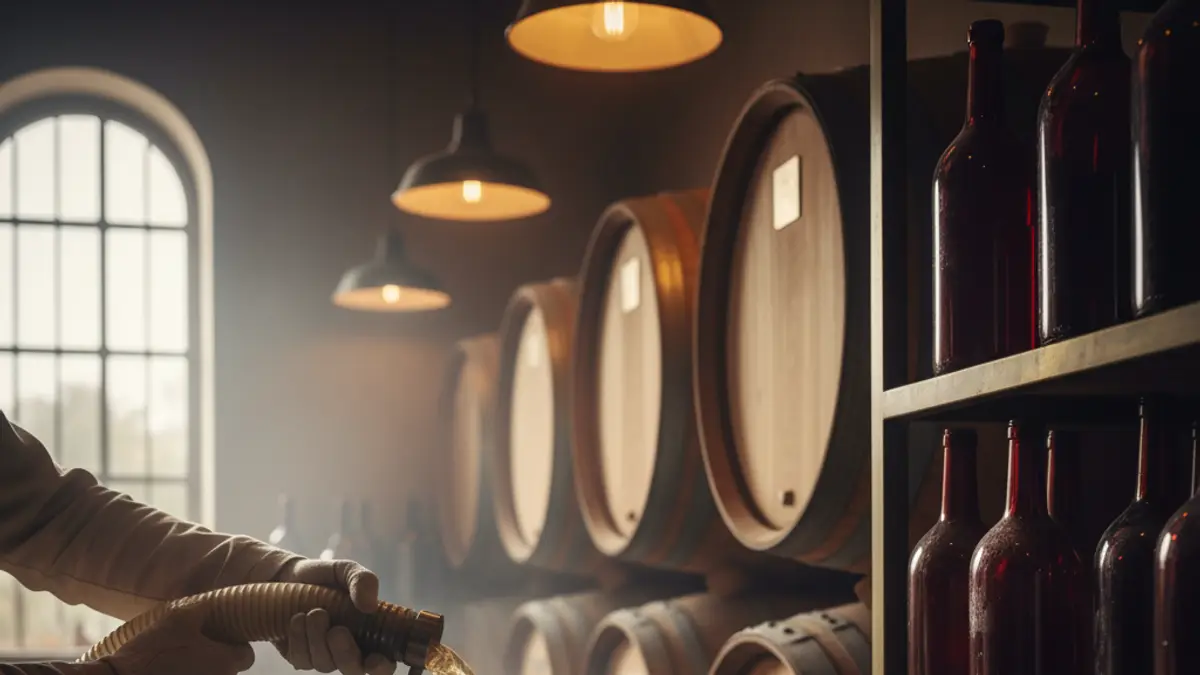
कई winemaking techniques animal inputs से भरोसेमंद तरीके से बचती हैं। सबसे सीधे options हैं unfined/unfiltered wines, natural settling और mechanical filtration। Cold settling के बाद microfiltration या crossflow filtration करने वाली wineries animal fining agents के बिना stable wines बना सकती हैं।
अन्य guaranteed vegan methods में bentonite, activated carbon, pea protein और PVPP जैसे plant-based या mineral fining agents का इस्तेमाल शामिल है। Organic और biodynamic producers कभी-कभी अधिक "natural" profile बनाए रखने के लिए fining से पूरी तरह बचते हैं, हालाँकि नतीजा थोड़ा hazier हो सकता है। Languedoc का Château Maris non-animal clarification इस्तेमाल करता है और organic व vegan credentials को बढ़ावा देता है।
Consumers के लिए practical points:
- पूछें कि wine "unfined and unfiltered" है या नहीं—यह अक्सर vegan होती है, लेकिन पहले के किसी stage में animal products इस्तेमाल हुए हों तो हमेशा verify करें;
- ऐसी technical sheets देखें जिनमें fining agents सूचीबद्ध हों; animal names की अनुपस्थिति आम तौर पर vegan practice का संकेत होती है;
- याद रखें कि कुछ ageing processes (जैसे American oak में barrel ageing) का vegan status पर कोई असर नहीं होता, जबकि bottle labelling और filtration choices का होता है।
Shopping और pricing: vegan wines कहाँ खरीदें और क्या उम्मीद रखें
Vegan wines हर price point पर मिलती हैं। रोज़मर्रा के लिए simple wines $8–20, अच्छे regional bottlings $20–40 और premium vegan-certified wines $40+ में मिल सकती हैं। उदाहरण के लिए, Frey की organic table wines अक्सर $10–20 range में बिकती हैं, Bonterra की organic Cabernet और Zinfandel $15–30 range में आती हैं, और major markets में कुछ vegan-labelled Rioja या Ribera reds $12–35 में मिलती हैं।
Shopping के लिए सबसे अच्छी जगहें हैं: natural wine shops, specialist online retailers और organic/vegan sections वाले बड़े grocers (Whole Foods, Waitrose और कई European retailers)। Noble Rot, Vinfolio और छोटी direct-to-consumer winery stores जैसी online shops में अक्सर vegan-friendly wines के filters होते हैं। अस्पष्ट claims verify करने में Barnivore और producer websites मदद करते हैं।
Budgeting और discovery tips:
- Specialty shops से mixed vegan cases खरीदें, ताकि अधिक खर्च किए बिना अलग-अलग styles आज़मा सकें;
- Certifying producers की tastings में जाएँ—कई organic wineries vineyard visits offer करती हैं, जहाँ methods समझाए जाते हैं;
- Vintages पर ध्यान दें: 2019 Napa Cabernet की कीमत $40–90 हो सकती है, जबकि 2018 Rioja Reserva vegan-friendly bottle $15–35 में मिल सकती है।
Vegan wines को food के साथ pair करना
Vegan wines की pairing traditional pairings जैसे ही principles पर आधारित होती है: weight, acidity, tannin और flavour intensity का संतुलन बनाएँ। Vegan wines भी उसी तरह बनाई जाती हैं, इसलिए Cabernet Sauvignon rich plant-based dishes के साथ pair होती है, जबकि chilled Albariño या Sauvignon Blanc हल्के food और seafood substitutes के साथ अच्छी लगती है।
Pairing ideas:
- Vegan red wine जैसे Malbec या medium-bodied Tempranillo mushroom-based dishes, grilled aubergine या rich sauces में seared tofu के साथ अच्छी लगती है;
- High-acidity whites (Marlborough की Sauvignon Blanc, $12–25) citrusy vegan salads और goat-cheese alternatives के साथ match करती हैं;
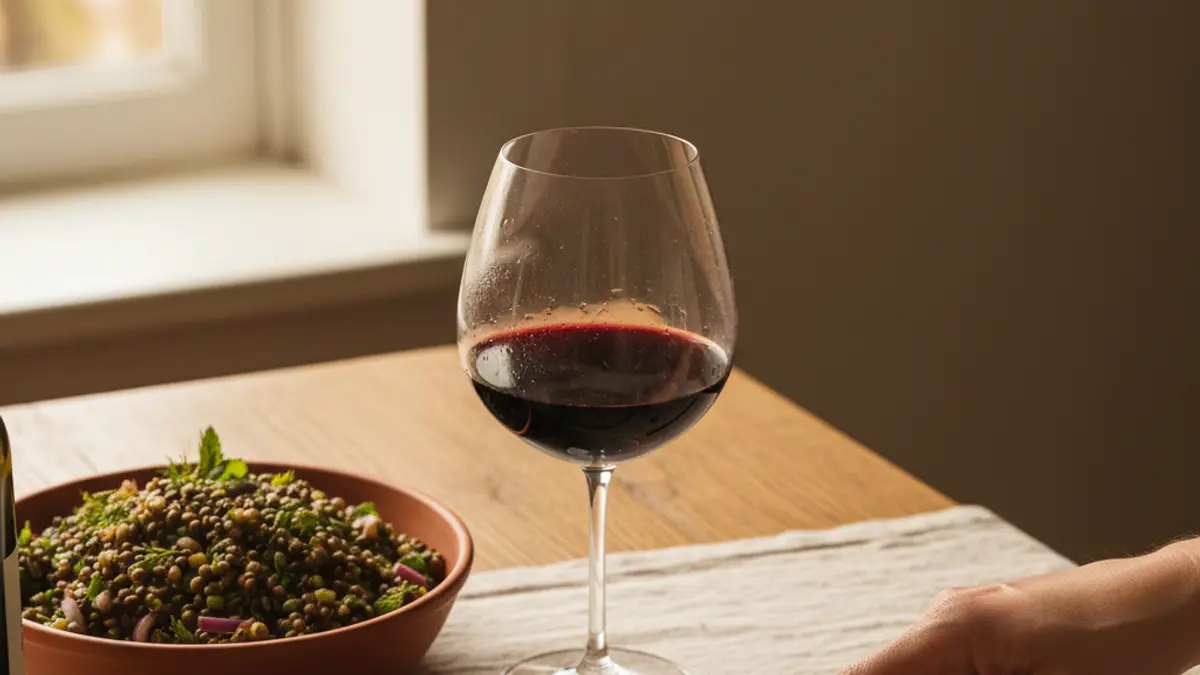
- Light Pinot Noir (Oregon या Central Otago) roasted vegetables, lentil ragout और vegan pâtés के साथ अच्छी रहती है;
- Full-bodied Napa या Bordeaux-style Cabernet smoked seitan, grilled portobello steaks या lentil-and-walnut loaves के साथ काम करती है।
Serve करते समय reds को हल्का chill करें (55–60°F / 13–16°C), ताकि freshness उभर सके। Tannic vegan Cabernets को पीने से पहले 30–90 minutes decant करें, जिससे flavours बेहतर integrate हों।
आम गलतफहमियाँ, allergies और safety
Animal-fining residues के बचे रहने का सीधा जवाब यह है: traces आम तौर पर negligible होते हैं, लेकिन कुछ sensitive लोग और strict vegans अब भी animal products से fined wines से बचते हैं। Scientific रूप से अधिकांश fining agents bind होकर हटा दिए जाते हैं, हालाँकि protein fragments की बहुत छोटी मात्रा रह सकती है—जो आम तौर पर allergenic नहीं होती। फिर भी severe egg या milk allergies वाले लोगों को labelling और producer data verify करना चाहिए।
आम गलतफहमियों में यह विचार शामिल है कि vegan wines हमेशा natural या organic होती हैं; ये terms synonymous नहीं हैं। Organic wines vegan हो सकती हैं, लेकिन specified न होने पर animal fining का इस्तेमाल फिर भी हो सकता है। इसके उलट, कोई wine organic हुए बिना vegan हो सकती है। एक और myth है कि vegan wines अनिवार्य रूप से inferior होती हैं; वास्तव में कई top producers bentonite या filtration का बहुत अच्छे परिणामों के साथ इस्तेमाल करते हैं।
Safety notes और practical advice:
- अगर आपको egg या milk allergy है, तो winery से lab-tested allergen statements माँगें;
- Strict vegans को explicit vegan certification या producer confirmation पर भरोसा करना चाहिए;
- Restaurants और retailers की जानकारी अलग-अलग हो सकती है—order करते समय technical sheets या vendor notes माँगें।
Producers और appellations vegan labeling को कैसे अपनाते हैं
Labeling practice country और appellation के अनुसार बदलती है। कई jurisdictions में wine labels पर fining agents बताने की कोई universal legal requirement नहीं है। इसलिए producers या तो स्वेच्छा से vegan status बताते हैं या certifications पर निर्भर रहते हैं। European Union कुछ मामलों में egg और milk derivatives के लिए allergen labeling अनिवार्य करता है, लेकिन fining agents की पूरी जानकारी तब तक जरूरी नहीं होती जब तक वे allergens के रूप में मौजूद न रहें।
कुछ appellations और बड़े brands ने consumer demand का जवाब दिया है: कई Spanish bodegas vegan lines सूचीबद्ध करती हैं (modern Rioja bodegas), जबकि California और Australia के New World producers vegan-friendly bottles को अधिक बार label करते हैं। Organic या biodynamic certification bodies कभी-कभी fining पर guidance देती हैं, जिससे winemakers non-animal options की ओर बढ़ते हैं। उदाहरण: कुछ Torres और Frey wines पर साफ़ label होता है; Yalumba चुनिंदा wines के लिए detailed technical sheets प्रकाशित करता है।
Buyers के लिए advice:
- ऐसी bottles को प्राथमिकता दें जिन पर explicit vegan labels या third-party certification हो;
- पुराने vintages खरीदते समय producer से historic practices की पुष्टि करें, क्योंकि fining methods समय के साथ बदल सकती हैं;
- Guesswork से बचने के लिए retailer filters और specialist vegan wine shops का इस्तेमाल करें।
Where to buy
An answer box can tell you which wine to look for. It cannot tell you which shop near you stocks it. These listings carry addresses, published opening hours and a map — 3,172 venues across 60 cities.