Burgundy को खास क्या बनाता है: terroir और appellations
Burgundy को अलग पहचान इसकी geology, climate और सदियों से तय vineyard demarcation के मेल से मिलती है। Burgundy region छोटे-छोटे vineyards के ऐसे patchwork के रूप में फैला है, जहाँ slope, soil और aspect में मामूली बदलाव भी अलग flavors पैदा करते हैं। इस सटीकता को appellation system में दर्ज किया गया है: regional (Bourgogne), village, Premier Cru और Grand Cru। उदाहरण हैं: Vosne-Romanée (village), Meursault Premier Cru और Romanée-Conti (Grand Cru)।
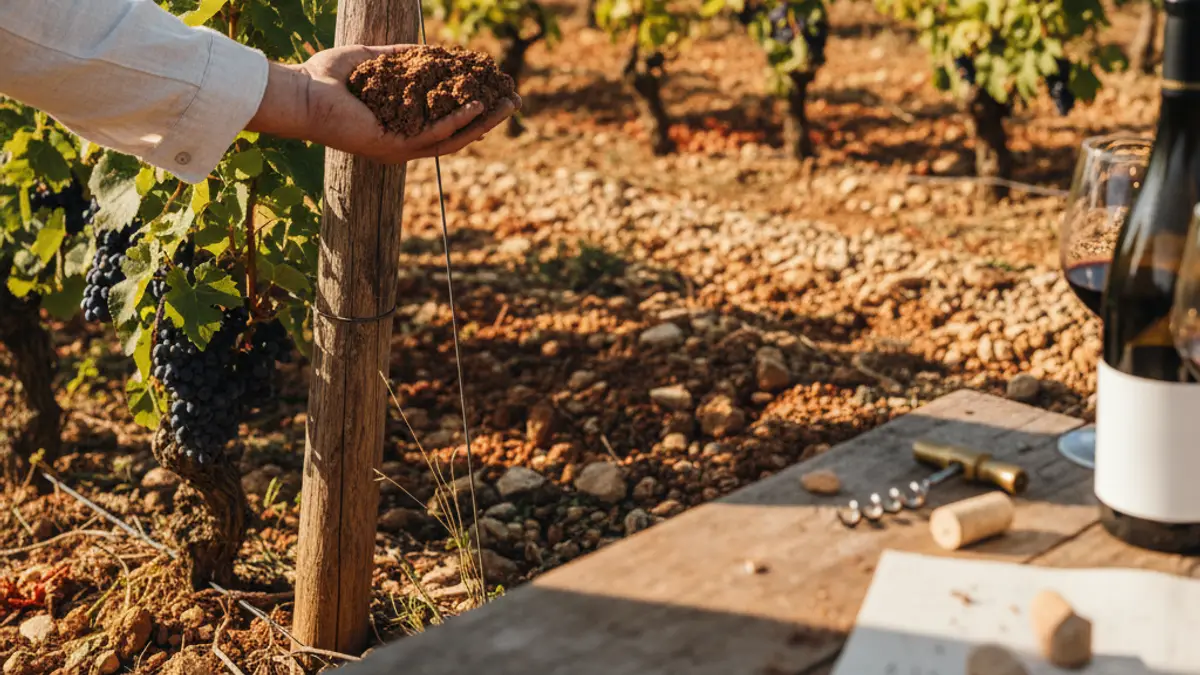
यहाँ Terroir का मतलब limestone, marl और clay की अलग-अलग मात्रा से है; ये acidity और aromatic profile को प्रभावित करते हैं। Côte d'Or की east-facing slopes Pinot Noir के लिए अनुकूल हैं और red-fruit, floral व savory layers वाली वाइन देती हैं। Chablis में Kimmeridgian limestone से high acidity और flinty minerality मिलती है—यह Les Clos और Valmur जैसे Chablis Grand Cru sites की खासियत है।
पूरे क्षेत्र में उगाए गए grapes से बनी Bourgogne wine अक्सर शुरुआत करने का सबसे आसान तरीका होती है। Louis Jadot या Maison Joseph Drouhin की Bourgogne Rouge (अक्सर $18–$35) Premier Cru की कीमत के बिना varietal character दिखाती है। इसके विपरीत, Côte de Nuits की top Grand Crus—Domaine de la Romanée-Conti या Domaine Armand Rousseau—की कीमतें बहुत अधिक होती हैं और इन्हें लंबे समय तक cellar किया जा सकता है।
Regional से Grand Cru तक की hierarchy समझने से आप price को provenance के साथ मिला सकते हैं। खरीदते समय producer, vineyard name और vintage देखकर quality और expected drinking window का अंदाज़ा लगाएँ।
Grapes और styles: Pinot Noir और Chardonnay
Burgundy में दो मुख्य grapes Pinot Noir और Chardonnay हैं। Pinot Noir Burgundy से आम तौर पर elegant red fruit, earth और spice वाली वाइन मिलती है; इसकी texture tannin extraction और oak पर निर्भर करती है। Chardonnay की शैली lean, steely Chablis से लेकर opulent Puligny-Montrachet या Montrachet Grand Crus तक हो सकती है।
Pinot Noir Burgundy की styles subregion के अनुसार बदलती हैं: Côte de Nuits (Gevrey-Chambertin, Chambolle-Musigny) structure और aromatic depth देती है; Côte de Beaune के sites (Volnay, Pommard) अधिक silky texture या firmer tannins देते हैं। Domaine Armand Rousseau (Gevrey) और Domaine Jean-Marc Roulot (सफेद वाइनों के लिए Meursault) जैसे producers site expression और vintage nuance दिखाते हैं। कीमतों में बड़ा अंतर हो सकता है: किसी भरोसेमंद producer की village Pinot Noir $30–$70; Premier Cru $80–$250; DRC या Rousseau की Grand Cru अक्सर $2,000+।
Chardonnay की expression काफी व्यापक है। Chablis में, खासकर Chablis Grand Cru vineyards में, वाइन lean, saline और citrus-driven होती हैं—Domaine William Fèvre एक benchmark है। Côte de Beaune में Domaine Leflaive और Domaine Jean-Marc Roulot honeyed complexity वाली concentrated, ageworthy whites बनाते हैं। Winemaking choices—malolactic conversion, oak influence और lees aging—richness तथा aging potential को प्रभावित करते हैं।
Tasting के समय acidity, oak integration और minerality पर ध्यान दें। इससे cellaring prospects का अंदाज़ा लगाया जा सकता है: अधिक acidity और restrained oak आम तौर पर बेहतर longevity का संकेत होते हैं।
प्रमुख subregions: Côte d'Or, Chablis, Mâconnais और Beaujolais
Burgundy region में कई अलग-अलग subregions हैं। Côte d'Or इसका heartland है और दो हिस्सों में बँटा है: Côte de Nuits (Pinot Noir के प्रमुख क्षेत्र: Gevrey-Chambertin, Vosne-Romanée) और Côte de Beaune (red और white दोनों की प्रमुख वाइन: Pommard, Meursault, Puligny-Montrachet)। Côte d'Or के उत्तर में स्थित Chablis, Kimmeridgian limestone पर crisp Chardonnay बनाता है। Mâconnais (जैसे Pouilly-Fuissé) आसानी से पी जाने वाली, fruit-forward Chardonnay बनाता है। Beaujolais—ऐतिहासिक रूप से Burgundy का हिस्सा—मुख्य रूप से Gamay पर केंद्रित है और bright, जल्दी पी जाने वाली reds देता है।
कुछ appellations और उनसे मिलने वाली styles:
- Côte de Nuits: structured Pinot Noir, लंबे aging potential वाली—Domaine de la Romanée-Conti और Domaine Faiveley देखें।
- Côte de Beaune: शानदार whites और elegant reds—Domaine Leflaive, Maison Joseph Drouhin।
- Chablis: high-acid, mineral Chardonnay—Domaine William Fèvre, Domaine Christian Moreau।
- Mâconnais: value-driven Chardonnay—शुरुआत के लिए अच्छे producers: Domaine A & P de Villaine, Louis Latour।
Subregions समझने से style और price चुनना आसान होता है। अगर आपको lean minerality और seafood pairings पसंद हैं, तो Chablis या Mâconnais white चुनें। लंबे समय तक रखी जा सकने वाली red Burgundy के लिए Côte de Nuits villages और Premier/Grand Cru labels तथा भरोसेमंद producers पर ध्यान दें।
जानने लायक उल्लेखनीय producers और bottles
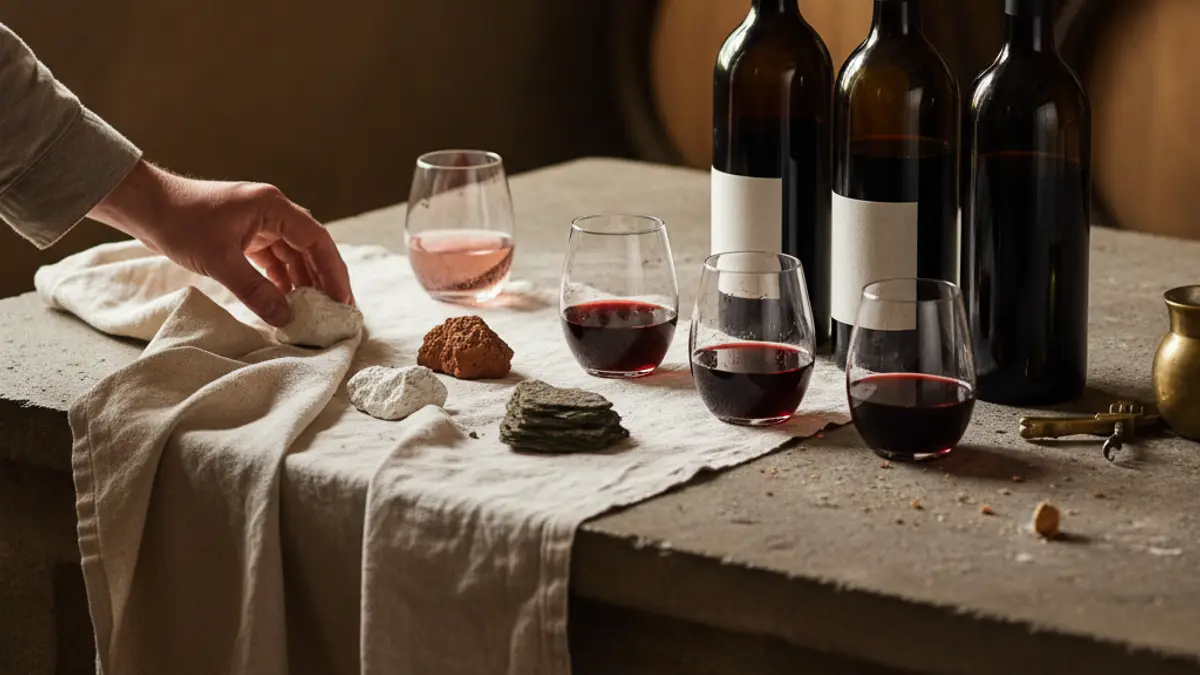
Producers की जानकारी से quality का अनुमान लगाने में मदद मिलती है। Red Burgundy में Domaine de la Romanée-Conti, Domaine Armand Rousseau, Faiveley और Louis Jadot जैसे नाम pedigree का संकेत देते हैं। White Burgundy के लिए Domaine Leflaive, Domaine William Fèvre (Chablis) और Domaine Jean-Marc Roulot देखें। Maison Joseph Drouhin पूरे Côte d'Or में consistent village और Premier Cru स्तर की वाइन बनाता है।
कुछ representative bottles और price ranges खरीदारी के लिए व्यावहारिक संकेत देते हैं:
- Louis Jadot Bourgogne Pinot Noir — आसानी से पी जाने वाली Bourgogne entry, $20–$35।
- Domaine William Fèvre Chablis Grand Cru Les Clos — सटीक mineral Chablis, vintage के अनुसार $120–$300।
- Domaine Leflaive Puligny-Montrachet (Premier Cru) — rich, ageworthy Chardonnay, $200–$600।
- Domaine de la Romanée-Conti Romanée-Conti Grand Cru — दुनिया की सबसे collectible Pinot Noirs में से एक; कीमत market और vintage के अनुसार बदलती है, अक्सर कई हजार।
खरीदते समय producer का track record, vineyard source और vintage conditions देखें। संतुलित investment और आनंद के लिए भरोसेमंद producers की village या Premier Cru bottlings पर विचार करें; ये अक्सर Grand Cru premiums के बिना terroir clarity देती हैं। Berry Bros & Rudd, K&L और Neal’s Yard Wine Rooms जैसे wine merchants भरोसेमंद allocations और tasting notes देते हैं, जो selection में मदद करते हैं।
खरीदारी, pricing और vintage का value पर असर
खरीदारों को budget को appellation और producer के साथ मिलाना चाहिए। Burgundy की prices vineyard reputation और scarcity से तय होती हैं: छोटे Grand Cru parcels का मतलब limited production और ऊँची prices है। आम तौर पर ranges इस तरह होती हैं: Bourgogne wines $15–50; village और Premier Cru $40–400; Grand Cru $500–several thousand। Vintage quality value को और बढ़ा सकती है—reds के लिए 1999, 2005, 2009, 2015 और 2019 को व्यापक रूप से सराहा गया; कई sectors में 2014 और 2017 ने strong whites दीं।
खरीदारी के तीन नियम अपनाएँ: producer को जानें, vineyard level समझें और vintage conditions पर research करें। उदाहरण के लिए, Maison Joseph Drouhin की 2019 Volnay में तुरंत महसूस होने वाला plush fruit और approachable tannins हो सकता है, जबकि Domaine Armand Rousseau की 2015 Romanée-Saint-Vivant Premier Cru दशकों तक cellar की जा सकती है।
Secondary markets और en primeur purchases उपलब्ध हैं, लेकिन इनके लिए provenance checks ज़रूरी हैं। पुरानी bottles खरीदते समय storage history और source (auction houses, reputable merchants) की पुष्टि करें। रोज़मर्रा के drinking के लिए high-quality village-level bottles चुनें—Domaine Faiveley Bourgogne या Louis Jadot की village wines consistent choices हैं। Investment के लिए top producers की Premier और Grand Crus पर ध्यान दें, लेकिन substantial capital और storage costs के लिए तैयार रहें।
कई bottles खरीदने से पहले stylistic fit की पुष्टि tasting से करें। कई merchants single-bottle sales या tasting events देते हैं; case या allocation खरीदने से पहले इससे risk कम होता है।
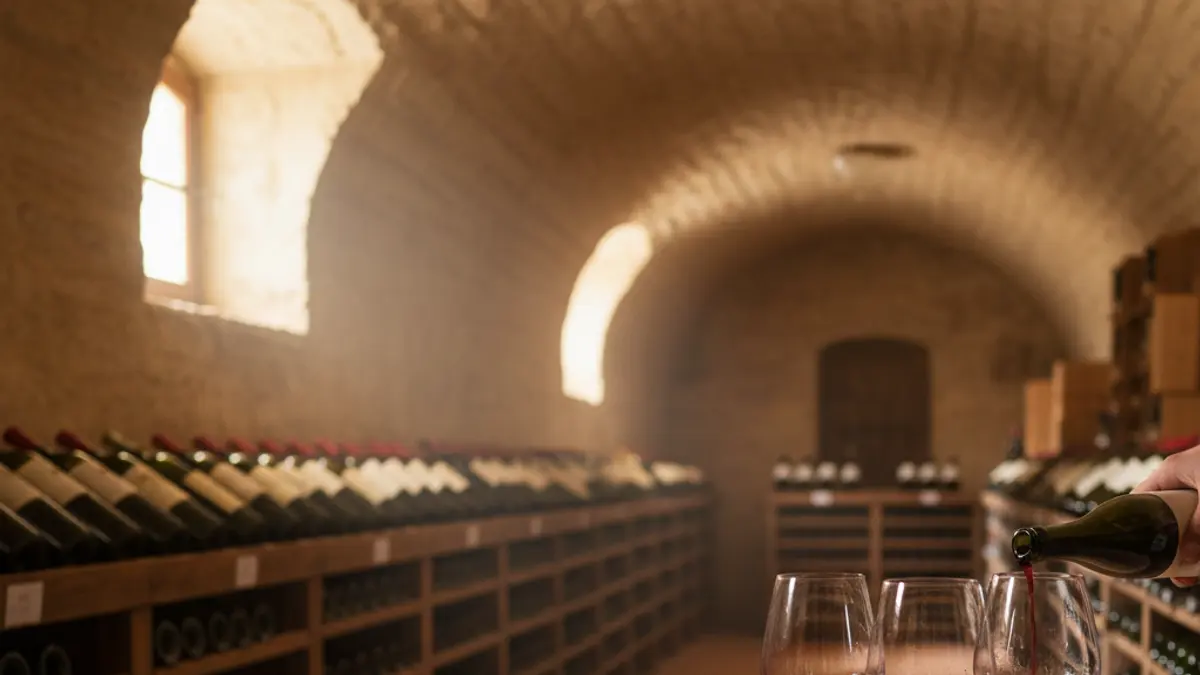
Cellaring और aging: Burgundy कब पीएँ
Cellaring की सलाह grape, appellation और vintage पर निर्भर करती है। सामान्य नियम: village Bourgogne wine निकट अवधि में पीने के लिए होती है (1–5 years); Premier Cru reds अक्सर 8–20 years में बेहतर होती हैं; Grand Cru reds और top whites 20–50+ years तक age कर सकती हैं। Chardonnay के लिए Chablis Premier और Grand Cru को secondary notes विकसित करने में अक्सर 5–20 years लगते हैं; Montrachet और top Puligny whites दशकों तक evolve कर सकती हैं।
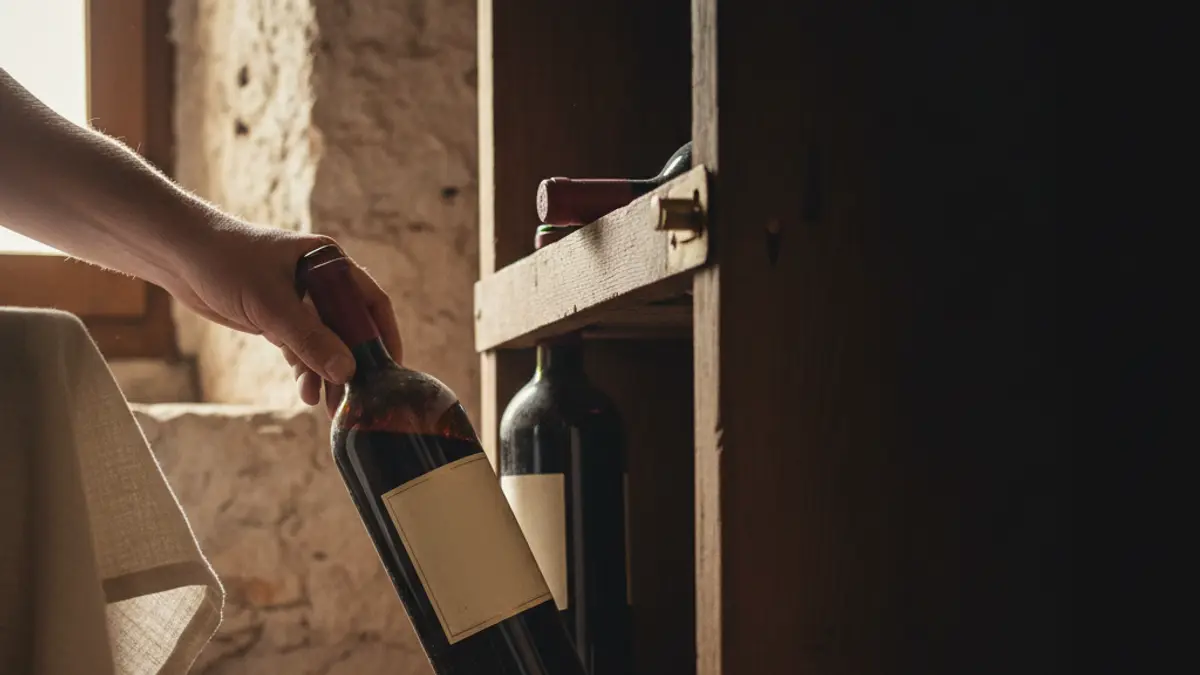
Storage conditions महत्वपूर्ण हैं: bottles को 55°F (13°C), 70–75% humidity, कम रोशनी और vibration से दूर रखें। Proper racks का इस्तेमाल करें और temperature swings से बचें। Labeling और inventory व्यावहारिक हैं—producer, vineyard, vintage और purchase date दर्ज करें। 5-year intervals पर tasting samples लेने से drinking windows तय करने में मदद मिलती है।
उदाहरण: Domaine William Fèvre की 2014 Chablis Grand Cru कम उम्र में bright citrus और mineral notes दिखाएगी और year 10 तक honeyed notes विकसित करेगी। Domaine Faiveley की 2015 Pommard Premier Cru पहले 5–8 years में कसाव दिखाएगी, फिर year 20 तक धीरे-धीरे savory complexity खोलेगी। DRC या Rousseau की exceptional reds को full complexity दिखाने में अक्सर कम-से-कम 10–15 years लगते हैं।
अगर आपके पास cellar conditions नहीं हैं, तो en primeur allocations खरीदें और merchants के साथ bonded storage की व्यवस्था करें, या तुरंत आनंद के लिए छोटी मात्रा store करें। Short-term drinking के लिए robust Premier Cru reds को परोसने से पहले 1–3 hours decant करें, ताकि aromas खुलें और tannins नरम हों।
Food pairing और style के अनुसार tasting notes
Burgundy की acidity और terroir-driven flavors इसे खाने की मेज़ पर versatile बनाते हैं। हल्की Pinot Noir Burgundy (village या young Premier Cru) को roasted salmon, duck breast या mushroom dishes के साथ मिलाएँ। Côte de Beaune की fuller reds (Pommard) richer meats—roast lamb और beef bourguignon—के साथ अच्छी रहती हैं। Chablis और Mâconnais Chardonnay shellfish, oysters और goat cheese के साथ बेहतरीन लगती हैं।
Style के अनुसार tasting notes:
- Chablis Grand Cru: citrus, green apple, saline minerality और steely acidity—oysters या poached sea bass के साथ।
- Pinot Noir Burgundy (Côte de Nuits): black cherry, underbrush, spice और firm tannins—venison, game या aged cheeses के साथ।
- Puligny-Montrachet: stone fruits, hazelnut और oak से आया buttered toast—lobster या creamy poultry dishes के साथ।
Preparation पर भी ध्यान दें: earthy mushrooms या truffle dishes Pinot Noir के forest-floor notes को उभारते हैं; lemon और herb preparations Chablis की acidity को सामने लाती हैं। Temperature मायने रखता है—reds को 55–60°F (13–15°C) और whites को 48–52°F (9–11°C) पर परोसें। ऐसा stemware इस्तेमाल करें जो aromatics को focus करे; पुरानी Burgundies में Nebbiolo जैसी tannin structure के लिए थोड़ा चौड़ा Burgundy glass बारीकियों को सामने लाता है। ये विकल्प आनंद बढ़ाते हैं और terroir-driven characteristics को स्पष्ट करते हैं।
Burgundy wine tour की योजना: tasting etiquette और travel tips
अच्छी तरह planned burgundy wine tour सीखने और आनंद, दोनों को बढ़ाता है। छोटे domaines के लिए appointments book करें; कई top producers (Domaine de la Romanée-Conti, Domaine Leflaive, Domaine Armand Rousseau) को advance reservations या membership की ज़रूरत होती है। Beaune से शुरुआत करें और इसे Côte de Nuits, Côte de Beaune तथा पास के Chablis तक जाने के लिए base बनाएँ। Maison Joseph Drouhin जैसे public wine bars और négociants appointments के बिना walk-in tastings और व्यापक selection देते हैं।
Tasting etiquette के लिए समय पर पहुँचें, छोटा notepad साथ रखें और अपनी रुचि का स्तर स्पष्ट बताएँ। Producers site, vine age, oak use और typical aging windows पर focused questions पसंद करते हैं। अगर आप खरीदने वाले हैं, तो export rules और duty-free allowances समझ लें; shipping services आम हैं और bottles घर ले जाने से अक्सर आसान होती हैं। Local transport के लिए driver hire करें या small-group tour join करें; tasting के बाद खुद drive न करें।
Seasonal tips: September में harvest के दौरान काफी व्यस्तता होती है—कुछ domaines उस समय visits सीमित कर देते हैं। Spring और late summer में vineyard views अच्छे मिलते हैं और appointments भी अधिक उपलब्ध होते हैं। Beaune में market visit शामिल करें, जहाँ local charcuterie और cheeses चख सकते हैं; इन्हें regional Meursault या Domaine William Fèvre की Chablis के साथ pair करें। Serious collectors en primeur releases या domaine open days के आसपास visits plan कर सकते हैं, जब verticals और library bottles उपलब्ध हो सकती हैं।
अंत में, vineyard rules और privacy का सम्मान करें: marked paths पर ही चलें और private parcels की photo लेने से पहले permission माँगें। सोच-समझकर अपनाया गया तरीका बेहतर बातचीत और घर ले जाने के लिए अच्छी bottles दिलाता है।