
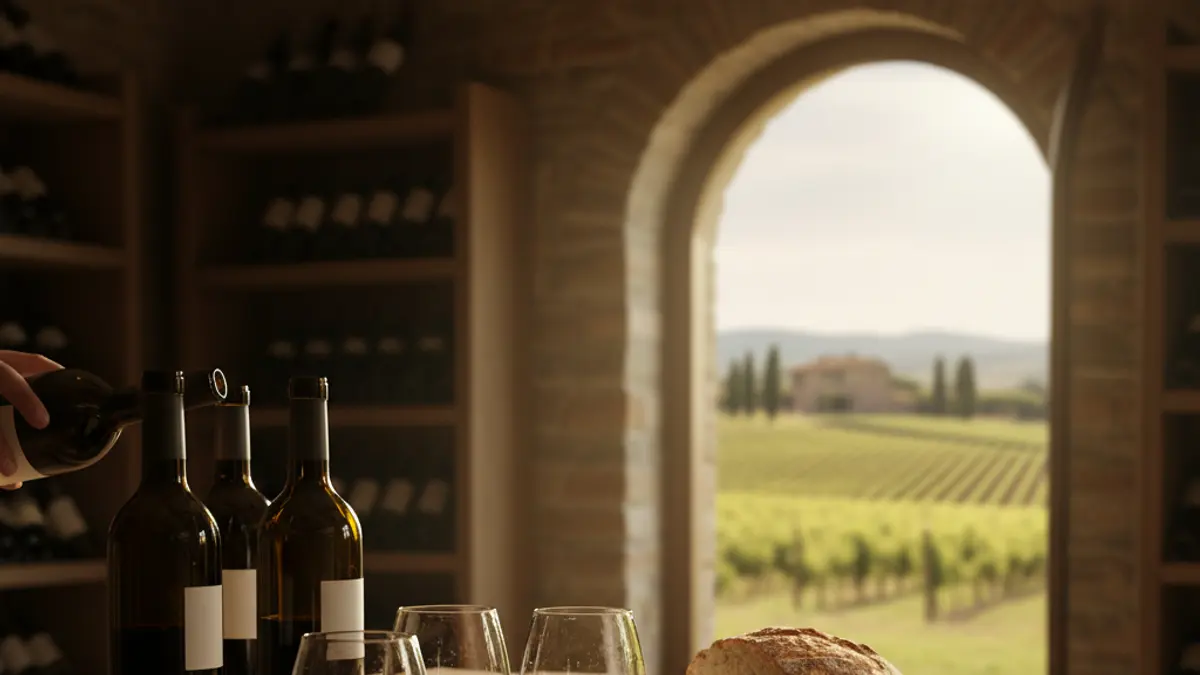
Tuscany क्यों महत्वपूर्ण है: इतिहास और Sangiovese की मुख्य भूमिका
Tuscany की wine story की शुरुआत Etruscan और Roman viticulture से होती है और यह मध्ययुगीन monasteries तथा कुलीन estates के दौर में विकसित हुई। इस कहानी के केंद्र में Sangiovese है, जो Chianti, Brunello di Montalcino और Vino Nobile di Montepulciano के पीछे का अंगूर है। Sangiovese में चमकीले cherry, tomato leaf और मजबूत tannin मिलते हैं; अच्छी तरह बनाई गई वाइन में floral और earthy notes भी दिखाई देती हैं और यह दशकों तक विकसित हो सकती है।
प्रमुख ऐतिहासिक निर्माता इस विकास को समझने में मदद करते हैं: Biondi-Santi ने 19वीं सदी में Brunello di Montalcino को व्यवस्थित रूप दिया, जबकि Marchesi Antinori ने Chianti को आधुनिक बनाने और Tignanello जैसे महत्वपूर्ण labels बनाने में मदद की। कीमत गुणवत्ता और उम्र को दर्शाती है: Castello di Ama की mid-tier Chianti Classico (2016) आम तौर पर $30–60 में बिकती है, जबकि classic Biondi-Santi Brunello (2010) provenance और बोतल की स्थिति के आधार पर $300–700 में मिलती है।
Tuscany wine की विरासत को समझने से क्षेत्रीय स्टाइल और production rules स्पष्ट होते हैं। DOCG classifications (Chianti Classico, Brunello di Montalcino, Vino Nobile) yield और aging की सीमाएं तय करती हैं, जो स्वाद को प्रभावित करती हैं। खरीदारों और यात्रियों के लिए यह इतिहास गुणवत्ता के भरोसेमंद संकेत और tastings तथा खरीदारी की योजना बनाने का एक नक्शा देता है।
Appellations और classification: DOC, DOCG और जानने लायक subzones
Tuscany में grape blends, yields और aging को नियंत्रित करने के लिए Italian appellations का इस्तेमाल किया जाता है। पहचानने लायक सबसे महत्वपूर्ण labels हैं Chianti Classico DOCG, Brunello di Montalcino DOCG, Vino Nobile di Montepulciano DOCG और coastal Bolgheri DOC। इनमें से हर label अलग terroir और production rules बताता है, जो कीमत और cellar potential को प्रभावित करते हैं।
Chianti के भीतर Florence और Siena के बीच का Chianti Classico zone मानक माना जाता है। Castello di Ama और Fontodi जैसे निर्माता 100% Sangiovese या Sangiovese-dominant blends पर ध्यान देते हैं; vintage और निर्माता के आधार पर retail prices $25–80 तक होती हैं। Brunello di Montalcino में 100% Sangiovese (जिसे स्थानीय रूप से Brunello कहा जाता है) और सख्त aging आवश्यक है; Castello Banfi की 2015 Brunello आम तौर पर $50–90 में बिकती है, जबकि Biondi-Santi जैसे top labels की कीमत इससे काफी अधिक होती है।
Bolgheri और Super Tuscan movement के उभरने से international varieties (Cabernet, Merlot) और estate names पर आधारित labels बने, जो पारंपरिक rules से अलग थे। Tenuta San Guido की Sassicaia (Bolgheri) और Ornellaia (Bolgheri) की recent vintages $150–350+ में मिलती हैं, जो Tuscan wine की premium coastal expression को दर्शाती हैं।
अंगूर और स्टाइल: Sangiovese, blends, whites और Super Tuscans
Tuscany का प्रमुख अंगूर Sangiovese है; इसकी high acidity और firm tannins क्षेत्र की red wine structure तय करती हैं। स्टाइल हल्की, food-friendly Chianti से लेकर समृद्ध और लंबे समय तक विकसित होने वाली Brunello तक अलग-अलग होती हैं। अन्य स्थानीय अंगूरों में Canaiolo और Colorino शामिल हैं, जिनका ऐतिहासिक रूप से Sangiovese को नरम करने के लिए इस्तेमाल किया जाता था, जबकि Cabernet Sauvignon जैसी international varieties Super Tuscan wines में अहम हैं।
Tuscany में white wines भी बनती हैं—सबसे खास Vernaccia di San Gimignano (dry, citrus और almond notes वाली) और coast के पास Vermentino। अच्छे vintage (जैसे 2018) की Vernaccia $15–30 में मिल सकती है और seafood तथा हल्की pasta के साथ अच्छी लगती है।
कुछ खास bottlings के उदाहरण: Tignanello (Antinori) में Sangiovese के साथ Cabernet का blend होता है और इसकी recent vintages $90–170 में बिकती हैं; Tenuta San Guido की Sassicaia (Bolgheri) में मुख्यतः Cabernet Sauvignon होता है और 2016–2017 vintages की कीमत $200–350 है। आसानी से मिलने वाली Chianti Classico के लिए Fontodi या Castello di Ama की 2018 vintage आज़माएं (आमतौर पर $30–60)।
Brunello di Montalcino: इसे खास क्या बनाता है और खरीदते समय क्या देखें
Brunello di Montalcino DOCG Tuscany की सबसे लंबे समय तक रखी जा सकने वाली Sangiovese expression है। नियम के अनुसार Brunello में Montalcino का 100% Sangiovese होना चाहिए और इसे कम से कम तय अवधि तक age करना होता है—classic bottling के लिए अक्सर 5 साल या उससे अधिक और Riserva के लिए इससे भी लंबा समय। इन wines में concentrated red fruit, leather, tobacco और earthy notes के साथ robust tannins होते हैं, जो cellar में समय के साथ नरम पड़ते हैं।
जानने लायक निर्माताओं में Biondi-Santi शामिल है, जिसके ऐतिहासिक cellars collectible vintages बनाते हैं। Castello Banfi और Caparzo जैसे estate brands भी आसानी से उपलब्ध Brunellos देते हैं। कीमतों में बड़ा अंतर हो सकता है: cooperative या बड़े estates की entry-level Brunello $40–80 में मिल सकती है, प्रतिष्ठित single-vineyard Brunellos $70–200 की होती हैं और vintage के आधार पर दुर्लभ Biondi-Santi bottlings अक्सर $300–800 से अधिक की होती हैं।
Brunello खरीदते समय vintages जांचें—2010, 2012 और 2015 को व्यापक रूप से सराहा गया है—और release schedules पर ध्यान दें (Brunello आम तौर पर Chianti के बाद market में आती है)। Cellaring के लिए इसे 55°F पर स्थिर humidity के साथ रखें; कई Brunellos 10–20 साल की aging से बेहतर होती हैं, हालांकि कुछ top cuvées इससे भी अधिक समय तक टिकती हैं।
Chianti और Chianti wine tour की योजना
Chianti एक विस्तृत ऐतिहासिक क्षेत्र भी है और Florence तथा Siena के बीच Chianti Classico triangle में एक प्रमुख tasting destination भी। Chianti wine tour में Castello di Ama जैसे छोटे family estates, Antinori’s Tenuta Tignanello जैसे medium producers या value-focused labels बनाने वाले cooperative cellars का दौरा शामिल हो सकता है। Tours का अनुभव अलग-अलग होता है—सिर्फ cellar tasting से लेकर vineyard walks और food-paired meals तक।
व्यावहारिक सुझाव: tastings पहले से book करें—Marchesi Antinori और Castello di Ama जैसे लोकप्रिय estates में reservation जरूरी होती है—और palate fatigue से बचने के लिए हर दिन 2–3 visits की योजना बनाएं। Tasting fees आम तौर पर प्रति व्यक्ति €10–€40 होती हैं और बोतल खरीदने पर अक्सर माफ कर दी जाती हैं। एक सामान्य दिन में Chianti Classico producer की visit, पास के Greve में Querciabella जैसी छोटी biodynamic winery और sunset views तथा casual meal के लिए देर दोपहर का stop शामिल हो सकता है।
Tour के दौरान बोतलें चुनते समय cru designations और single-vineyard wines के बारे में पूछें। उदाहरण के लिए, Castello di Ama की single-vineyard Chianti Classico wines (2016) $40–70 में बिकती हैं और concentrated Sangiovese expression दिखाती हैं। Winery visits के साथ Greve या Panzano में local restaurants और enotecas का stop जोड़ें, जहां आप Tuscan wine की अधिक विस्तृत range चख सकते हैं।
Super Tuscans और Bolgheri: international grapes का Tuscan terroir से मेल
Super Tuscans 1970s में उभरीं, जब producers ने सख्त DOC rules के बाहर international grapes को Sangiovese के साथ मिलाया। इससे ऐसी high-quality wines बनीं जिन्हें केवल Toscana IGT या estate name से label किया गया। इस movement ने Antinori (Tignanello), Tenuta San Guido (Sassicaia) और Ornellaia (Bolgheri) जैसे estates को ऊंचा स्थान दिलाया। इन wines में अक्सर Cabernet Sauvignon, Merlot और Cabernet Franc का इस्तेमाल शक्तिशाली और लंबे समय तक age होने वाली reds बनाने के लिए किया जाता है।
Tuscan coast पर स्थित Bolgheri इन बड़ी reds का केंद्र है—समुद्र का प्रभाव climate को संतुलित करता है और अंगूरों को बेहतर balance के साथ पकने में मदद करता है। Sassicaia (Tenuta San Guido) और Ornellaia की recent vintages आम तौर पर $150–400 में बिकती हैं; 2016 या 2015 जैसी sought-after vintage अधिक महंगी हो सकती है। Tignanello (Antinori) की कीमत vintage और release के आधार पर लगभग $90–170 रहती है।
खरीदने की सलाह: अगर आप तुरंत पीने के लिए wine चाहते हैं, तो warm vintage (2015–2016) की Super Tuscan चुनें। Collectors को classic producers पर ध्यान देना चाहिए और provenance तथा storage history को महत्व देना चाहिए। Bolgheri wines उचित तरीके से stable temperatures, लगभग 55°F, पर रखे जाने पर 10–20 वर्षों में tertiary complexity विकसित कर सकती हैं।
Terroir और microclimates: Montalcino, Bolgheri से अलग क्यों है
Tuscany का landscape बहुत विविध है: inland hilltops और clay-limestone soils, coastal sand और marine sediments से बिल्कुल अलग हैं। ये अंतर wine styles को आकार देते हैं। Montalcino धूप वाली पहाड़ियों पर बसा है, जहां calcareous soils देर से पकने वाले Brunello Sangiovese के लिए अनुकूल हैं; यहां की wines structured होती हैं और aging के लिए बनी होती हैं। Bolgheri को Mediterranean breezes और sandy, well-draining soils का लाभ मिलता है, जो Cabernet और Merlot के लिए आदर्श हैं और richer, smoother reds बनाते हैं।
अन्य उल्लेखनीय zones में अलग-अलग soils वाला Chianti Classico शामिल है—galestro (schist) finesse देता है, जबकि clay-heavy क्षेत्रों में अधिक fleshy wines बनती हैं—और Montepulciano की Vino Nobile, जहां ऊंचाई वाले sites wine में lift और floral aromatics लाते हैं।
- Soils: inland में galestro, alberese और clay-limestone प्रमुख हैं।
- Climate: inland में continental climate और उल्लेखनीय diurnal shifts; coast पर maritime influence।
- Altitude: ऊंचे vineyards (400–600m) acidity और freshness बनाए रखते हैं।
इन microclimates को समझने से खरीदार और यात्री wine के character का बेहतर अनुमान लगा सकते हैं। Acidic, food-friendly Sangiovese के लिए ऊंचाई वाले Chianti या Montepulciano चुनें; plush, international-style reds के लिए Bolgheri Super Tuscans आज़माएं।
Tasting, pairing और aging: खरीदारों और wine drinkers के लिए व्यावहारिक सलाह
Tuscany wine को तुरंत पीने और धैर्य के साथ cellar में रखने—दोनों का लाभ मिलता है। चखते समय acidity, tannin, fruit ripeness और aromatic profile पर ध्यान दें। Chianti Classico आम तौर पर tomato-based pasta, grilled meats और aged pecorino के साथ सबसे अच्छी लगती है; Castello di Ama Chianti Classico 2016 ($30–60) ragù के साथ अच्छी तरह match करती है। Brunello braised beef और game के साथ अच्छी लगती है; Castello Banfi की 2015 Brunello di Montalcino (लगभग $50–90) को एक या दो घंटे decant करने से लाभ मिलता है।
Storage और aging के सुझाव: wine को 55°F और 60–70% humidity पर रखें तथा vibration और light से बचाएं। कई mid-tier Chianti wines 3–8 साल के भीतर अच्छी लगती हैं; Brunello और top Super Tuscans अक्सर 10–20 वर्षों तक बेहतर होती रहती हैं। घर पर tasting के लिए structured reds को 60–120 minutes decant करें और 60–64°F पर serve करें। Sangiovese की aromatic clarity के लिए tulip-shaped glass और Super Tuscans के लिए बड़े Bordeaux-style glasses इस्तेमाल करें।
Budget guidance: रोज़मर्रा की Tuscan reds (Toscana IGT या basic Chianti) की कीमत $12–25 होती है; quality Chianti Classico $25–80; Brunello और top Bolgheri labels $70–400+। खरीदारी producer reputation और vintage conditions के आधार पर करें—मिसाल के तौर पर, 2015 और 2016 में कई balanced, ageworthy Tuscan wines बनीं।
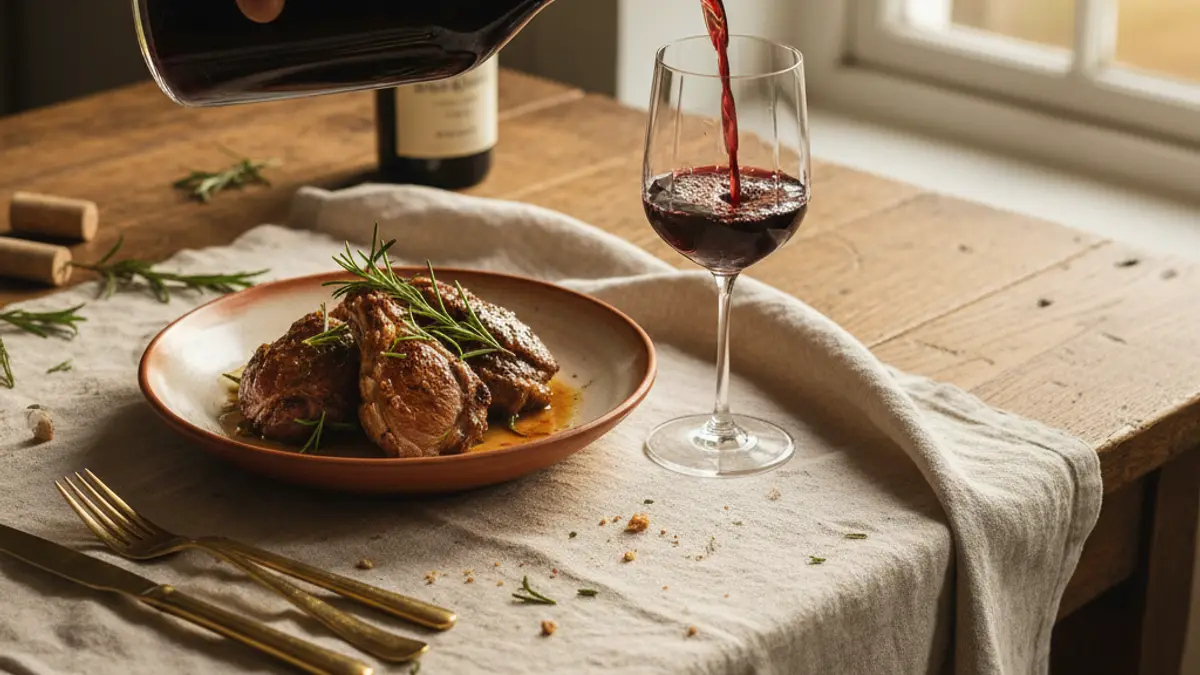
Tuscany की यात्रा: योजना, सही समय और wine trip में क्या उम्मीद रखें
Winery visits की योजना harvest (late August–October) के आसपास बनाएं ताकि cellar work देख सकें, हालांकि यह सबसे व्यस्त समय होता है और tastings छोटी हो सकती हैं। Spring (April–June) में मौसम सुहावना रहता है और vineyard views वाले estates खुले मिलते हैं। प्रसिद्ध producers—Florence के पास Antinori’s cellars, Tenuta San Guido (Bolgheri) और Biondi-Santi (Montalcino)—में tastings काफी पहले reserve करें, खासकर अगर आप guided cellar tour चाहते हैं।
Tasting fees €10–€50 तक हो सकती हैं; बोतल खरीदने पर कई wineries fee माफ कर देती हैं। Transport options में car rental (flexibility के लिए बेहतर), driver hire करना या Florence अथवा Siena से चलने वाले organized Chianti wine tours में शामिल होना आता है। एक समझदारी भरे daily itinerary में दो winery visits, agriturismo में आराम से lunch और तुलना के लिए किसी छोटे producer पर अंतिम tasting शामिल होती है।
Budget और planning tips: purchases और meals के साथ mid-range tasting days का खर्च प्रति व्यक्ति €80–€200 होता है। जिन wines की तुलना करनी है उनकी list साथ लाएं, अगर आप collection करते हैं तो library bottles (older vintages) के बारे में पूछें और language options की पुष्टि करें—कई estates में English-speaking staff होता है, लेकिन छोटी family wineries में ऐसा जरूरी नहीं। मजबूत luggage लाएं और बोतलों के लिए जगह छोड़ें या airline की परेशानियों से बचने के लिए winery के जरिए purchases ship करा दें।