
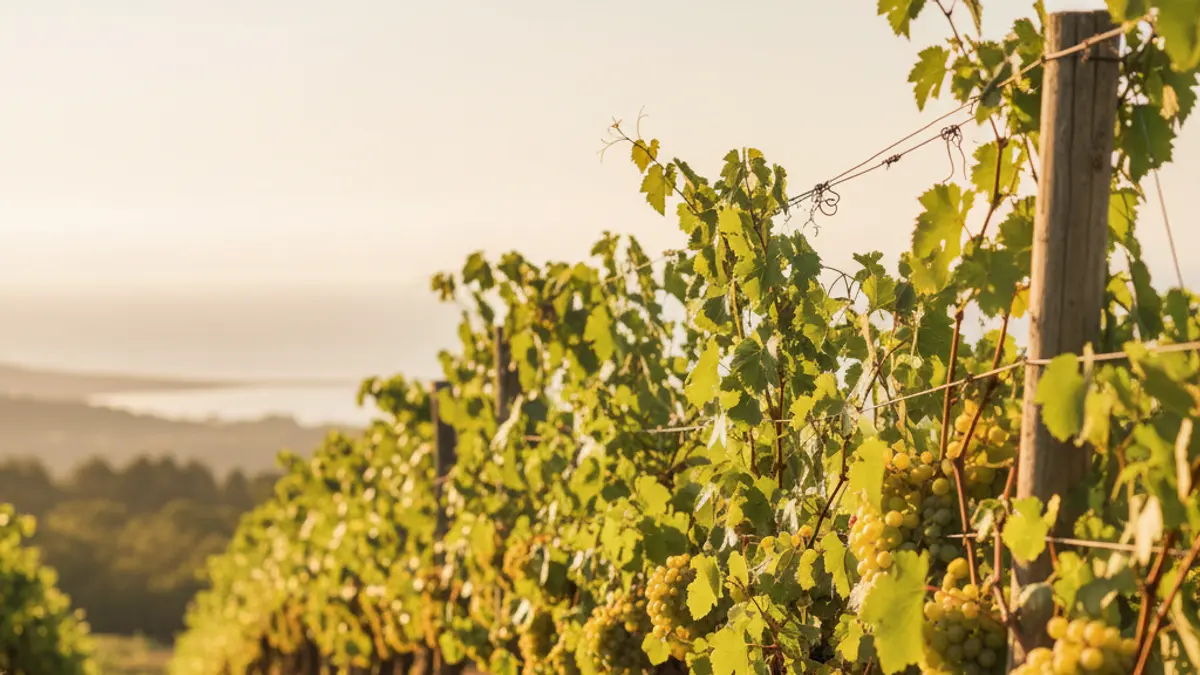
albarino grape की शुरुआत और इतिहास
albarino grape की शुरुआत northwest Spain के Galicia क्षेत्र में हुई, जहाँ Rías Baixas की ठंडी, maritime climate इसकी पहचान वाली acidity और saline notes को आकार देती है। ऐतिहासिक records इस क्षेत्र में इसकी लंबे समय से मौजूदगी का संकेत देते हैं, लेकिन इसका modern commercial rise 20वीं सदी के आखिर में हुआ, जब DO regulation और clonal selection तथा stainless-steel winemaking में investments ने producers के बीच quality बढ़ाई।
Rías Baixas को पाँच subzones में बाँटा गया है — Salnés, Condado do Tea, O Rosal, Soutomaior और Ribeira do Ulla — और हर जगह इसके अलग expressions मिलते हैं। Cambados के आसपास के estuary पर केंद्रित Salnés से floral और citrus-driven wines मिलती हैं, जबकि Portuguese border के पास O Rosal और Condado do Tea में कम ऊँचाई और microclimates के कारण अक्सर ज्यादा पके stone-fruit और saline intensity दिखती है।
Border पार northern Portugal में यही variety Alvarinho कहलाती है, खासकर Vinho Verde की Monção e Melgaço subregion में। Soalheiro और Anselmo Mendes जैसे producers ने 1990s और 2000s में single-vineyard और age-worthy Alvarinho बनाकर Portugal की पहचान मजबूत की। Spain में Pazo de Señorans और Martín Códax जैसी estates ने stainless-steel और lees-managed styles को बेहतर बनाने में प्रमुख भूमिका निभाई, जो आज इस category की पहचान हैं।
Viticulture: Albariño कैसे ripen होता है और यह क्यों मायने रखता है
Viticulture albarino grape के energetic character को तय करती है। Albariño की vines ठंडी, humid conditions पसंद करती हैं और Rías Baixas तथा Monção e Melgaço में मिलने वाली granite, schist और alluvial soils में अच्छी तरह बढ़ती हैं। कुछ Mediterranean varieties की तुलना में grapes देर से ripen होते हैं, इसलिए गर्म vintages में भी natural acidity ऊँची बनी रहती है। Galicia की fertile soils में vigor नियंत्रित करने के लिए canopy management जरूरी है।
Growers flavor को concentrate करने के लिए yields को manage करते हैं: पुरानी, bush-trained vines या O Rosal के head-trained plots से मिलने वाली कम yields ज्यादा rich और textured wines बनाती हैं, जबकि Salnés के ज्यादा yield वाले parcels से bright, floral wines मिलती हैं, जो early release के लिए ideal होती हैं। आम viticultural practices में green harvesting, airflow बेहतर करने के लिए close leaf work और aromatics बचाने के लिए ठंडी सुबह में selective hand-harvesting शामिल हैं।
Clonal selection और rootstock choice aromatic intensity और disease resistance को प्रभावित कर सकते हैं। Atlantic से आने वाली coastal exposure और wind fungal pressure को कम करते हैं, लेकिन wet years में mildew control पर लगातार ध्यान देना पड़ता है। Vine age भी मायने रखती है—Fillaboa या Pazo de Señorans की कुछ bottlings जैसी 30–80 year-old vines से बनी single-vineyard Albariños ज्यादा गहरी texture और concentration दिखाती हैं और entry-level bottles की $10–18 कीमत की तुलना में $25–50 की कीमत को सही ठहरा सकती हैं।
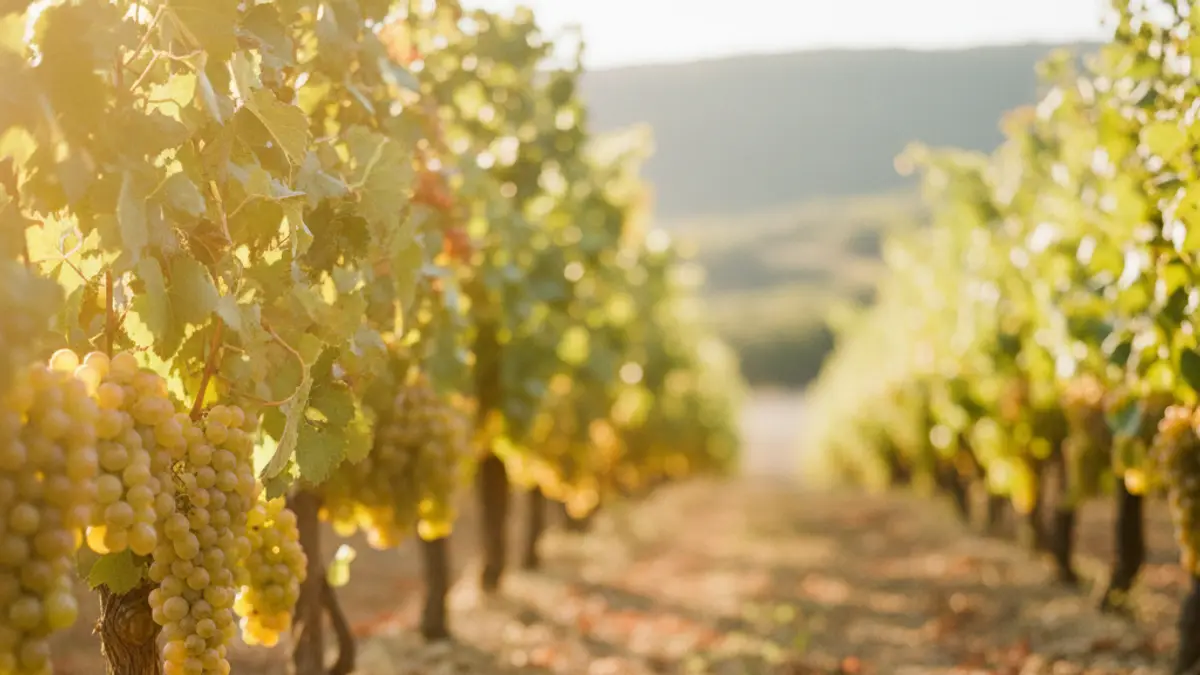
Winemaking styles: stainless steel, lees ageing और oak
Winemaking यह तय करती है कि albarino grape glass में कैसी दिखाई देगी। सबसे आम style अब भी unoaked, stainless-steel fermentation है, जिसमें citrus और floral aromas बचाने के लिए cool temperatures रखी जाती हैं। Martín Códax और Paco & Lola जैसे producers इसी दिशा में काम करते हैं: crisp, aromatic wines, जिन्हें जल्दी पीने और food pairing के लिए बनाया जाता है। ज्यादातर markets में इनकी कीमत $10 से $20 तक होती है।
Lees contact और sur lie ageing बिना oak के स्पष्ट प्रभाव के texture और complexity जोड़ते हैं। Soalheiro और Anselmo Mendes जैसी wineries extended lees time, periodic bâtonnage और यहाँ तक कि concrete eggs के साथ प्रयोग करती हैं, ताकि freshness बनाए रखते हुए mouthfeel ज्यादा rich हो। ये styles $20–40 bracket में आती हैं और इनमें अक्सर stonefruit, honeyed notes और creamy mid-palates मिलते हैं।
Oak का इस्तेमाल कम, लेकिन सोच-समझकर किया जाता है। Reserve bottlings में small French oak या neutral barrels spice और ageing potential जोड़ सकते हैं: Pazo de Señorans Selección de Añada और Soalheiro Reserva ऐसे examples हैं, जहाँ careful oak integration wines को 5–10 years तक age होने में मदद करती है। कुछ Portuguese producers oxidative या skin-contact versions भी बनाते हैं, जो textural grip और savory flavors पर जोर देते हैं। अलग-अलग styles को साथ चखने से grape की versatility साफ होती है — seaside lime और saline से लेकर barrel-influenced almond और toast तक।
Tasting profile: glass में क्या देखें
Albariño चखते समय साफ, pale straw color और lively aromatics की उम्मीद रखें, जिनमें citrus, stone fruit और floral notes मिलती हैं। आम top-line aromas में lime, lemon zest, white peach, green apple, jasmine और कभी-कभी saline या sea-shell minerality शामिल हैं। Acidity अक्सर brisk होती है; simple bottlings में texture lean और brisk से लेकर lees ageing होने पर mouth-coating और हल्की oily तक हो सकती है।
Palate पर concentrated fruit और, बेहतर vintages में, chalky या saline mineral finish के साथ high acidity देखें। उदाहरण के लिए, Martín Códax Albariño (current releases करीब $12–18) bright lemon और green apple जैसा लगेगा, साथ में clean finish होगी, जबकि Pazo de Señorans Selección de Añada (अक्सर $25–45) में ज्यादा गहरा orchard fruit, honeyed notes और अधिक texture दिखेगी। Portuguese Soalheiro Alvarinho Primeiras Vinhas (करीब $20–35) में floral lift और fleshy, saline core मिलता है।
Sweetness दुर्लभ है: ज्यादातर Albariños bone dry होते हैं या उनमें residual sugar नगण्य होती है। Aged bottlings में tertiary notes—dry almond, lanolin और petrol—मिल सकती हैं, खासकर 5–10 year-old reserve wines में। Vintage पर ध्यान दें: cooler years citrus और minerality को उभारते हैं, जबकि warmer vintages ज्यादा पका stone-fruit और rounder mouthfeel लाते हैं।
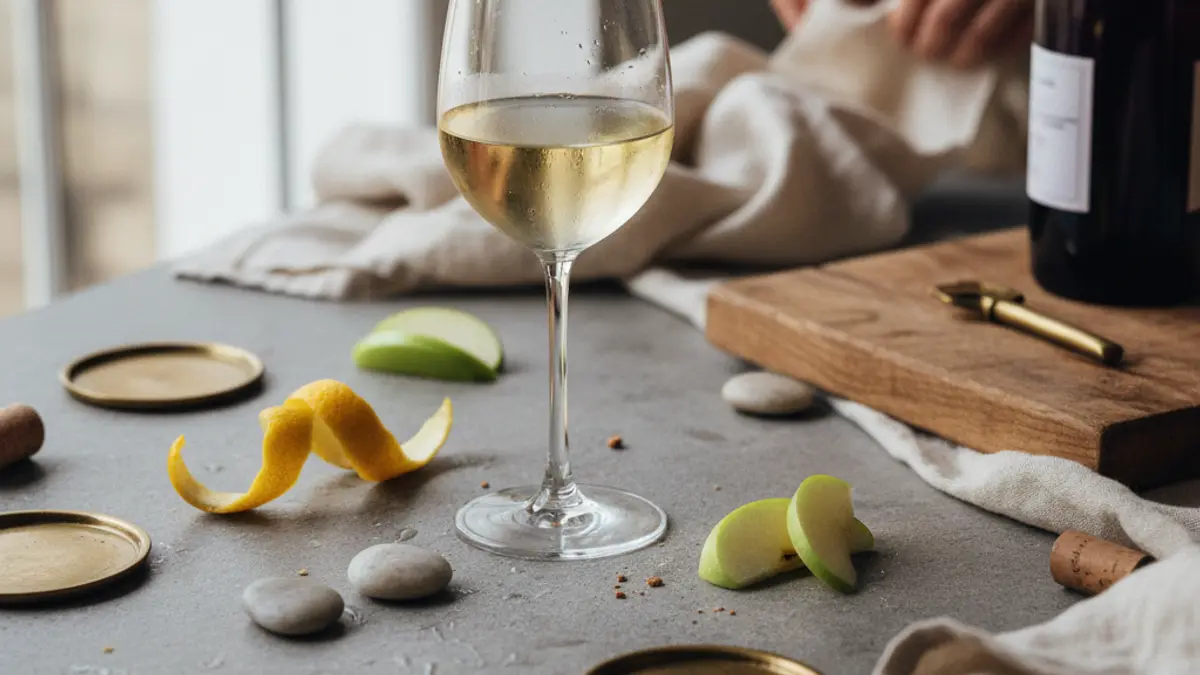
Regions और appellations: Rías Baixas, Vinho Verde और आगे
albarino grape का heartland Galicia का Rías Baixas DO है। इसके पाँच subzones पहचाने जा सकने वाले अलग expressions देती हैं: Salnés (floral और saline), Condado do Tea (ज्यादा पका, tropical hints), O Rosal (concentrated और minerally), Soutomaior (fresh और perfumed) और Ribeira do Ulla (fresh और herbaceous)। प्रमुख Spanish producers में Pazo de Señorans, Fillaboa और Martín Códax शामिल हैं।
Portugal में Alvarinho की पहचान Minho region से जुड़ी है—खासकर Monção e Melgaço subregion से—जहाँ granite soils और diurnal range intensely aromatic, structured wines बनाते हैं। Soalheiro, Anselmo Mendes और Quinta da Aveleda जैसे producers उल्लेखनीय single-varietal Alvarinhos बनाते हैं। Vinho Verde overall spritzy, easy-drinking whites से लेकर ageworthy Alvarinhos तक कई styles पेश करता है।
Iberia के बाहर California, Australia और New Zealand में छोटे plantings मौजूद हैं। California के examples—जिन पर अक्सर Albariño label होता है—Santa Barbara या Arroyo Grande Valley के cool coastal sites से आते हैं; common producers में local boutique labels शामिल हैं, जिनकी कीमत $18–35 होती है। अलग-अलग regions में एक consistent thread दिखता है: maritime influence, pronounced acidity और delicate से textural styles तक का spectrum। खरीदते समय style और origin समझने के लिए DO और subregional labeling देखें।
Food pairing और service: Albariño के सबसे अच्छे matches
Albarino grape wines अपनी bright acidity और saline character के कारण सबसे food-friendly white wines में शामिल हैं। Classic pairings seafood पर केंद्रित हैं: oysters, razor clams, grilled sardines और ceviche। Galicia में Albariño, percebes (goose barnacles) और pulpo a la gallega के साथ go-to partner है। Wine की acidity richness को काटती है, जबकि इसकी minerality समुद्र की याद दिलाती है।
Seafood के अलावा, Albariño Asian flavors—Thai green curry, sushi और Vietnamese salads—के साथ भी अच्छी लगती है, क्योंकि citrus और herbal notes spice तथा umami के बीच bridge बनाती हैं। यह goat cheese, lemon-butter sauces वाली dishes और lighter poultry preparations के साथ भी अच्छी रहती है। Scallops के साथ mid-weight Alvarinho या cream-based seafood pasta के साथ lees-aged bottling आज़माएँ।
Aromatics और acidity उभारने के लिए 10–12°C (50–54°F) पर standard white-wine glass में serve करें। बहुत ज्यादा chilling से बचें, क्योंकि इससे aroma दब जाती है। ज्यादा structured reserve wines के लिए थोड़ा गर्म 12–13°C (54–55°F) temperature texture और secondary notes को सामने लाता है। Decanting आम नहीं है, लेकिन इससे older, ज्यादा complex bottles खुल सकती हैं; short periods के लिए store करते समय bottles को upright रखें और service से 30 minutes पहले chill करें।
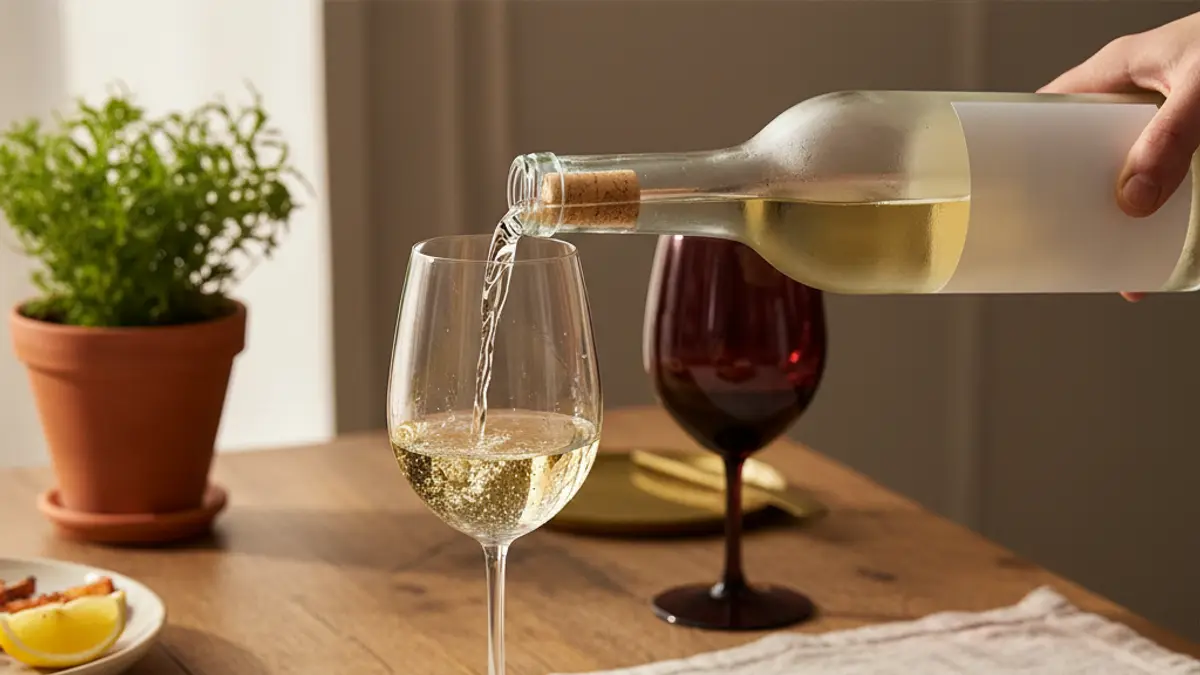
Albariño खरीदना, age करना और store करना
Albariño खरीदते समय style को occasion से मिलाएँ। तुरंत पीने के लिए affordable विकल्प के तौर पर Martín Códax, Paco & Lola या younger Soalheiro releases देखें, जिनकी कीमत $10–20 है। Complexity और ageing potential के लिए $25–50 range में Pazo de Señorans, Anselmo Mendes या Fillaboa की single-vineyard या reserve bottlings चुनें। इनमें 3–8 years में tertiary notes विकसित हो सकती हैं।
Ageing potential style पर निर्भर करती है: ज्यादातर stainless-steel Albariños fresh aromatics के लिए vintage के 1–4 years के भीतर पीना बेहतर होता है। Lees ageing वाली या oak-influenced reserve versions 5–10 years तक age हो सकती हैं और honeyed, nutty tertiary characters दिखा सकती हैं। हमेशा producer notes देखें; अच्छी cellars में Pazo de Señorans Selección de Añada और Soalheiro Reserva का 7–10 years तक अच्छा track record रहा है।
Storage: bottles को stable cellar temperatures, करीब 12–14°C (53–57°F), और 60–70% humidity पर रखें। Cork से बंद bottles को horizontal position में store करें। Temperature swings और तेज रोशनी से बचाएँ। Short-term retail storage के लिए 7–12°C (45–54°F) fridge space काम करती है; recommended temperature range तक पहुँचने के लिए serving से 20–30 minutes पहले bottles बाहर निकालें। Online खरीदते समय reliable merchants को प्राथमिकता दें और vintage notes जाँचें, क्योंकि यह grape vintage influence को स्पष्ट रूप से दिखाती है।
Albariño की Barbera और Vermentino से तुलना — quick contrasts
albarino grape की दूसरी varieties से तुलना tasting और buying choices को बेहतर बनाती है। vermentino grape के मुकाबले: दोनों Mediterranean-friendly whites हैं, जिनमें herbal और saline aspects होते हैं, लेकिन Vermentino (Sardinia, Liguria, coastal Tuscany) में अक्सर bitter almond, Mediterranean herb और थोड़ी कम acidity दिखती है। Albariño में citrus lift ज्यादा, stone-fruit स्पष्ट और saline finish होती है—इसलिए seafood के साथ यह ज्यादा सीधी match बनती है।
Albariño की barbera grape से तुलना cross-color comparison है: Barbera Piedmont की red grape है, जिसमें high acidity और bright cherry fruit मिलता है। Albariño की vibrancy समझने के लिए Barbera की acidity को reference point की तरह इस्तेमाल करें—दोनों acid-driven wines tomato-based या rustic foods के साथ बेहतरीन लगती हैं। हालांकि Barbera tannin और red-fruit flavors लाती है, इसलिए इसे grilled meats के साथ pair करें, जबकि Albariño fish और shellfish के लिए बेहतर रहती है।
Practical buying advice: अगर आपको Vermentino की herbal salinity पसंद है, तो lees influence वाली reserve Albariño आज़माएँ। अगर Barbera की food-friendly acidity पसंद है, तो white-wine side पर इसी तरह lively pairings के लिए crisp Albariño चुनें। अलग-अलग regions के producers को sample करें: Soalheiro (Portugal), Pazo de Señorans और Martín Códax (Spain), और La Spiaggetta या Poggio al Tesoro की एक-दो coastal Vermentinos को side-by-side compare करें।
Where to buy
An answer box can tell you which wine to look for. It cannot tell you which shop near you stocks it. These listings carry addresses, published opening hours and a map — 3,172 venues across 60 cities.