उत्पत्ति और अंगूर की प्रोफ़ाइल
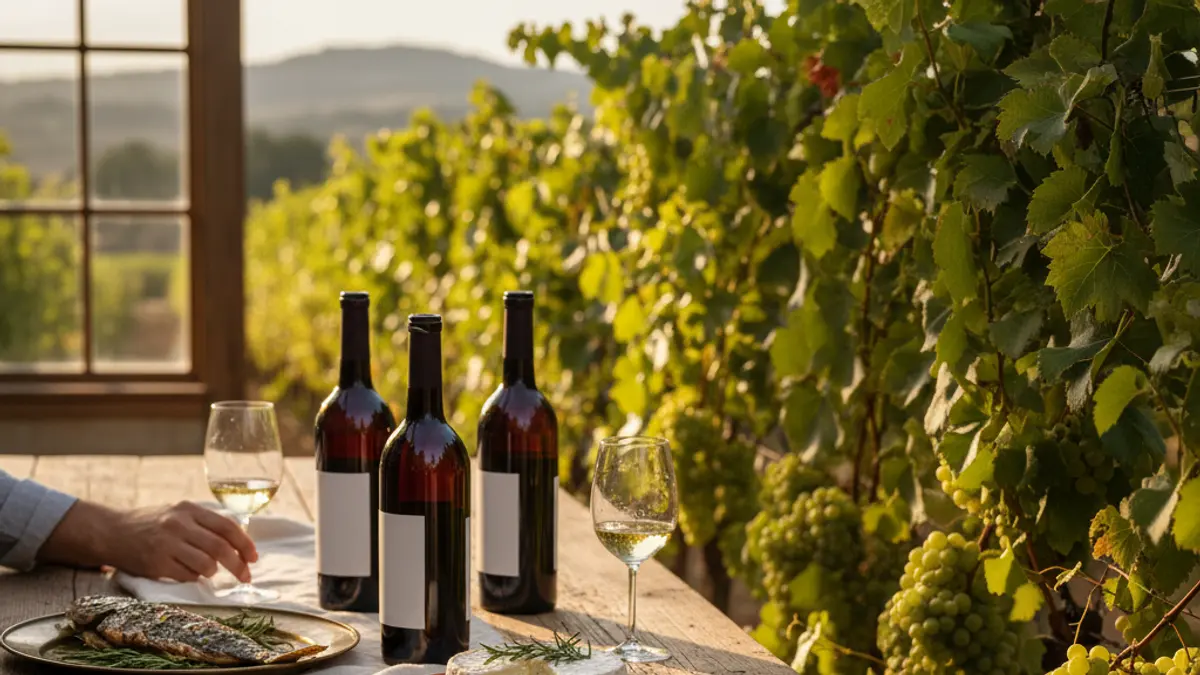
sauvignon blanc grape की उत्पत्ति संभवतः दक्षिण-पश्चिमी France और Loire Valley में हुई, जहाँ इसके शुरुआती रिकॉर्ड सदियों पुराने हैं। Loire में Sancerre और Pouilly-Fumé जैसे appellations में इसका स्वाद हल्का, mineral character वाला विकसित हुआ। Genetic studies इसे Cabernet Sauvignon जैसी किस्मों के समान parentage family से जोड़ती हैं; इस अंगूर का नाम sauvage (जंगली) और blanc (सफेद) से आया है।
इसकी varietal characteristics लगातार एक जैसी रहती हैं: पतली skin, high acidity और स्पष्ट aromatics। आम descriptors में हरी शिमला मिर्च, बिच्छू-बूटी, सिट्रस छिलका, gooseberry और गर्म क्षेत्रों में passionfruit व ट्रॉपिकल नोट्स शामिल हैं। Sancerre की flinty soils में उगने पर—Domaine Vacheron और Henri Bourgeois जैसे producers के यहाँ—वाइन में अक्सर flint, chalk और saline notes दिखते हैं। New Zealand के Marlborough में Cloudy Bay या Dog Point द्वारा farm किए गए sites अधिक पके, ट्रॉपिकल aromas देते हैं।
अपनी aromatic intensity और acidity के कारण sauvignon blanc single-varietal wine और blending component, दोनों के रूप में काम करता है। Bordeaux और Pessac-Léognan में winemakers structure और aging potential बढ़ाने के लिए sauvignon blanc को sémillon के साथ blend करते हैं। Vouvray और Anjou पर हावी रहने वाले chenin blanc grape की तुलना में sauvignon blanc का स्वभाव अधिक herbaceous और zesty होता है, honeyed या waxy नहीं।
प्रमुख क्षेत्र और अलग-अलग शैलियाँ
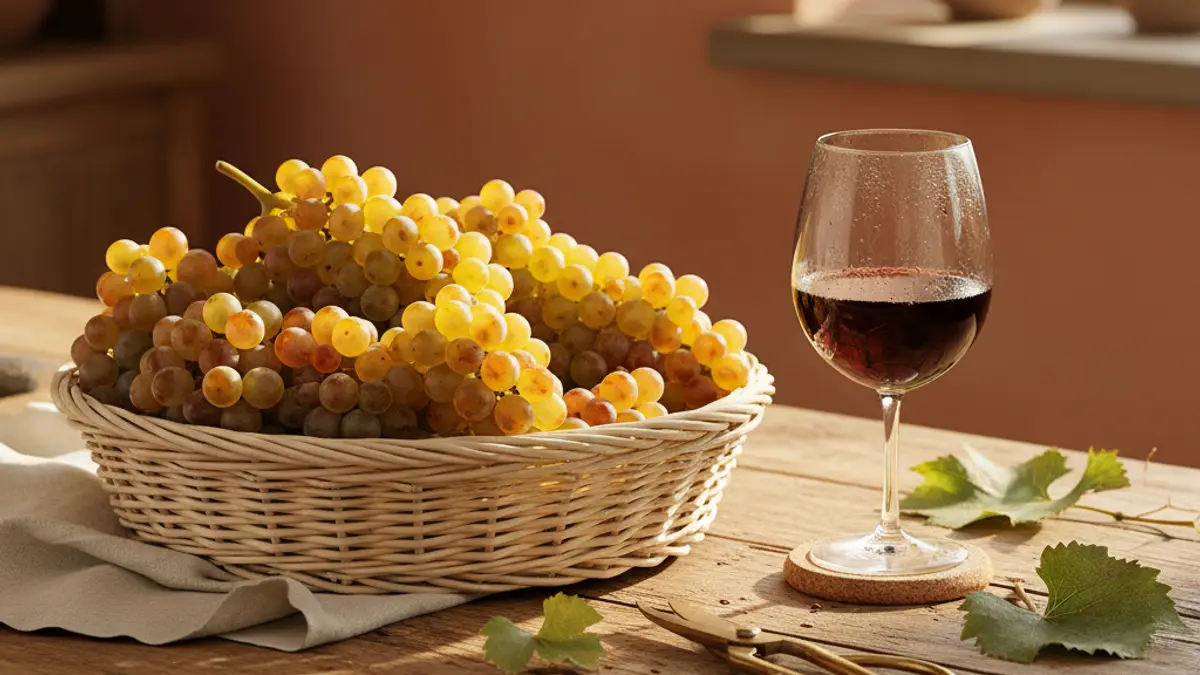
क्षेत्र style को आकार देता है। Loire Valley—Sancerre और Pouilly-Fumé—में हल्की, mineral-driven वाइन की अपेक्षा करें, जिनमें citrus, wet stone और herb notes होते हैं। जानने लायक producers में Domaine Vacheron, Pascal Jolivet और Pouilly-Fumé में दिवंगत Didier Dagueneau की estate शामिल हैं; उनकी Silex जैसी वाइन mineral और intense होती हैं। आम retail prices: Henri Bourgeois या Pascal Jolivet की अच्छी Sancerre $20–$40; top cuvées $40–$80।
New Zealand के Marlborough ने sauvignon blanc को explosive aromatics के लिए मशहूर बनाया: passionfruit, lime और कटी हुई घास। प्रमुख houses हैं Cloudy Bay (उनकी 1985 vintage ने वैश्विक रुचि शुरू की), Dog Point और Villa Maria। Basic Marlborough Sauvignon Blanc की कीमत अक्सर $12–$20 होती है; premium wines $25–$45। Chile और California (Robert Mondavi's Fumé Blanc) समान या थोड़ी अधिक कीमतों पर fresher, fruit-forward styles बनाते हैं।
Château Haut-Brion और Château Pape Clément जैसे producers की Bordeaux whites—Pessac-Léognan और Graves—texture और cellar potential बढ़ाने के लिए sauvignon को sémillon के साथ blend करती हैं; अच्छी examples के लिए $40–$150+ की अपेक्षा रखें। South Africa में Cape Point Vineyards और Stellenbosch के आसपास के producers $15–$35 में herbaceous से mineral styles बनाते हैं। हर क्षेत्र दिखाता है कि soil, climate और winemaking एक ही अंगूर की अलग expressions कैसे पैदा करते हैं।
अंगूर की खेती: मिट्टी, जलवायु और clones
sauvignon blanc grape site के प्रति संवेदनशील है। यह cool से moderate climates में अच्छी तरह फलता-फूलता है, जहाँ acidity और aromatics की चमक बनी रहती है। Limestone, flint, clay और gravel जैसी soils mineral और textural संकेत जोड़ती हैं। Sancerre में Kimmeridgian marl और silex (flint) classic smoky-mineral profile देते हैं; Marlborough की alluvial gravel और free-draining soils पके, ट्रॉपिकल aromatics को बढ़ावा देती हैं।
Growers vigor नियंत्रित करने के लिए clones और rootstocks चुनते हैं। French clones herbaceous character पर ज़ोर देते हैं; New Zealand selections अधिक tropical intensity देती हैं। Canopy management महत्वपूर्ण है: fruit zone के आसपास पत्तियाँ हटाने से sunlight और aromatic development बढ़ते हैं, लेकिन गर्म sites में sunburn का जोखिम रहता है। Yields style को प्रभावित करते हैं—कम yield वाली vines concentrated, age-worthy wines देती हैं, जबकि अधिक yields aroma को dilute कर सकती हैं।
Pest और disease management में sauvignon blanc की powdery mildew और botrytis के प्रति मध्यम संवेदनशीलता को ध्यान में रखा जाता है; acidity बचाए रखने के लिए harvest का सही समय तय करना केंद्रीय है। Sustainable और organic practices लगातार आम हो रही हैं—Dog Point और Cloudy Bay जैसे producers कुछ parcels में biodynamic या organic approaches अपनाने की जानकारी देते हैं। Growers के लिए इसका लाभ लगातार अच्छी fruit quality और glass में terroir की अधिक स्पष्ट expression है।
Winemaking के विकल्प और उनसे बनने वाली शैलियाँ
Winemaking site जितना ही style को प्रभावित करता है। Stainless-steel fermentation primary fruit और high aromatics को बचाए रखता है—यह Marlborough की classic sauvignon blanc wine और Loire की कई bottlings में आम है। Fermentation temperature महत्वपूर्ण है: cool ferment (12–16°C) volatile thiols और citrus notes को बरकरार रखता है। उदाहरण के लिए, Cloudy Bay purity और aromatics बनाए रखने के लिए stainless में cool fermentation करता है।
Oak और sur lie aging अधिक व्यापक textures देते हैं। Bordeaux whites और कुछ premium New World producers French oak barrels—अक्सर neutral—का इस्तेमाल varietal character को ढके बिना complexity जोड़ने के लिए करते हैं। थोड़ी मात्रा में oak, या old barrels में fermentation, हल्की creaminess दे सकती है; Château Pape Clément और Château Carbonnieux दिखाते हैं कि oak-managed blends 5–15 years तक कैसे विकसित हो सकती हैं। Lees stirring (bâtonnage) richness वाली styles में अक्सर चाही जाने वाली weight और mouthfeel जोड़ता है।
Wild yeast fermentations और partial malolactic fermentation stylistic tools हैं। ML acidity को नरम करके buttery notes जोड़ता है—bright, dry styles में यह असामान्य है, लेकिन कुछ Californian और South African white sauvignon bottlings में जानबूझकर इस्तेमाल किया जाता है। sémillon (Bordeaux) या थोड़ी मात्रा में chardonnay के साथ blending texture और aging potential बदलती है। Winemakers market demand के अनुसार तरीके चुनते हैं: तुरंत पीने योग्य zesty bottles या cellar के लिए बनी structured wines।
Tasting Profile: ग्लास में क्या उम्मीद करें
white sauvignon का ग्लास आम तौर पर bright, piercing nose से शुरू होता है: कटी हुई घास, lime zest, हरा apple और nettle या bell pepper जैसे herbal notes। गर्म जलवायु वाली expressions में passionfruit, guava और पके ट्रॉपिकल aromas की अपेक्षा करें। Wet stone और chalk जैसे mineral और flinty descriptors Loire और कुछ Bordeaux terroirs की पहचान हैं। Palate में acidity अधिक होती है, जो refreshing length देती है और कई dry sauvignon styles को apéritifs या food wines के रूप में बेहतरीन बनाती है।
Winemaking से textural अंतर पैदा होते हैं: stainless-steel fermented wines lean और crisp होती हैं; lees-aged या lightly oaked wines में creaminess और weight बढ़ता है। Aromatic thiols (3MH और 3MHA) passionfruit/grapefruit profile बनाते हैं, जो Dog Point और Kumeu River जैसे producers की New Zealand bottles से अक्सर जोड़ी जाती है। इसके विपरीत, Sancerre या Pouilly-Fumé—Domaine Vacheron या Didier Dagueneau की cuvées के बारे में सोचें—संयम, flinty mineral और savory complexity दिखाती हैं।
बोतल का मूल्यांकन करते समय color (pale straw से gold), nose intensity, acidity, fruit ripeness और finish पर ध्यान दें। केवल Sauvignon Blanc label वाली wine, Sancerre या Pessac-Léognan label वाली wine से बहुत अलग हो सकती है, इसलिए producer और appellation varietal name जितनी ही जानकारी देते हैं।
Food Pairing और परोसने के सुझाव
Dry white wine sauvignon blanc अपनी high acidity और aromatic profile के कारण सबसे food-friendly white wines में से एक है। Freshness उभारने के लिए इसे 8–10°C (46–50°F) पर serve करें। Crisp glass के लिए serving से पहले fridge में 20–30 minutes chill करें; बहुत ज़्यादा chilling से बचें, क्योंकि इससे aroma दब जाता है। Aromatic nose को concentrate करने के लिए narrow white-wine glass इस्तेमाल करें।
Classic pairings: Sancerre के साथ goat cheese (Chèvre); mineral Loire या New Zealand bottles के साथ oysters और shellfish; Marlborough sauvignon blanc के साथ goat-salad और herbed dishes; और थोड़ी tropical New World style के साथ grilled fish या ceviche। Bordeaux sauvignon-sémillon blends richer seafood, roasted chicken और creamy sauces के साथ अच्छी लगती हैं। Fresh acidity के कारण South African और Chilean examples spicy Asian fare के साथ भी अच्छी रहती हैं।
Pairing tips: intensity मिलाएँ—delicate fare के साथ delicate Sancerre; herb-forward dishes के साथ bold New Zealand। Cilantro, dill और parsley जैसी herbs wine के green notes को echo करती हैं। तुलना के लिए, Vouvray की chenin blanc grape wine अधिक honeyed होती है और richer, sweeter dishes के साथ अच्छी लगती है, जबकि sauvignon blanc bright, acidic pairings के लिए go-to बनी रहती है।
खरीदना, संग्रह करना और cellar में रखना
अधिकांश sauvignon blanc wine जल्दी पीने के लिए बनाई जाती है—1–5 years के भीतर—लेकिन कुछ चुनिंदा examples अच्छी तरह age होती हैं। Cellar potential के लिए Loire और Bordeaux whites खरीदें: 2016–2020 की top Sancerre या Château Haut-Brion की Pessac-Léognan 5–10 years में complexity विकसित कर सकती है। Didier Dagueneau (2000s जैसी vintages) और premier Bordeaux whites जैसे producers की वाइन अक्सर rewarding evolution दिखाती हैं। Ageworthy bottles के लिए entry prices अधिक होने की अपेक्षा रखें: $40–$150।
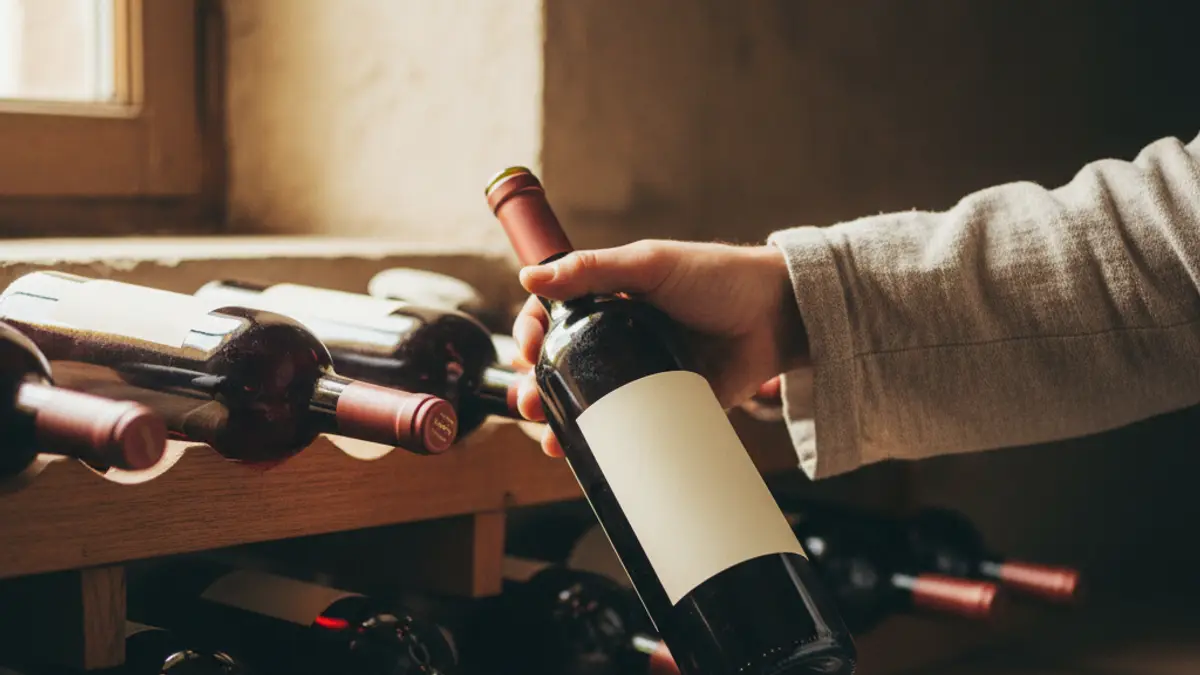
Marlborough और सामान्य New World Sauvignon Blancs (Cloudy Bay, Kim Crawford) को 1–4 years के भीतर पीना बेहतर है, हालांकि premium Dog Point या Kumeu River bottlings कभी-कभी 5–8 years में nuance हासिल करती हैं। Bottles को स्थिर 50–55°F (10–13°C) पर, 60–70% humidity में, corks को नम रखने के लिए horizontal रखें। Aromatics बचाने के लिए light, heat और vibration से बचाएँ।
Buying strategies: रोज़मर्रा के लिए $12–$25 में reliable producers खोजें। Ageworthy bottles के लिए Loire (Sancerre/Pouilly-Fumé) और Bordeaux whites पर ध्यान दें; भरोसेमंद producers तलाशें, vintage reports पढ़ें और cellar में रखने की योजना हो तो कई bottles खरीदें। Development track करने के लिए tasting notes और dates लिखते रहें।
सुझाए गए Producers और Bottles (Price Guide के साथ)
यहाँ अलग-अलग क्षेत्रों के representative producers और typical prices (U.S. retail) दिए गए हैं:
- Sancerre / Loire: Domaine Vacheron Sancerre ($30–$50), Pascal Jolivet Sancerre ($25–$40), Henri Bourgeois Les Baronnes ($18–$28)।
- Pouilly-Fumé: Didier Dagueneau Silex (collector prices $80–$250), François Cotat ($40–$90)।
- Marlborough, NZ: Cloudy Bay Sauvignon Blanc ($25–$40), Dog Point Sauvignon ($28–$45), Kumeu River (richer style, $30–$60)।
- Bordeaux / Pessac-Léognan: Château Haut-Brion Blanc (investment bottle, $300+), Château Carbonnieux ($35–$70), Château Pape Clément ($60–$120)।
- South Africa / Chile / California: Cape Point Vineyards ($20–$35), Casa Silva Reserva (Chile, $12–$20), Robert Mondavi Fumé Blanc ($18–$30)।
चुनते समय vintage पर ध्यान दें: cool, balanced years (जैसे 2014 Loire, 2017 Marlborough) classic expressions पैदा करते हैं। Retail price bands quality और budget का मेल बैठाने में मदद करते हैं। Suggested buys के लिए Cloudy Bay जैसी approachable bottle या Pascal Jolivet की reliable Sancerre से शुरुआत करें, फिर यदि यह variety आपको पसंद आए तो अधिक concentrated, age-worthy labels आज़माएँ।
सही Bottle को चखने, परखने और चुनने का तरीका
sauvignon blanc को evaluate करने के लिए simple tasting checklist इस्तेमाल करें: appearance, nose intensity, varietal character, acidity balance, body, finish और overall quality। Clarity और pale straw से light gold color देखें। Nose पर green, herbal, citrus या tropical जैसी मुख्य notes पहचानें और देखें कि वे vibrant हैं या muted। Acidity को taste करें: यह bright और cleansing महसूस होनी चाहिए, flabby नहीं। Finish साफ़ होनी चाहिए और aromatics कुछ देर तक बने रहने चाहिए।
Bottle का चुनाव occasion पर निर्भर करता है। Light meals और casual drinking के लिए $12–$30 range में crisp, stainless-steel Marlborough या Sancerre चुनें। Richer seafood के साथ pairing या aging के लिए Bordeaux blends या high-end Loire cuvées ($35+) चुनें। अगर आप buttery या textural white sauvignon चाहते हैं, तो lees-aged या lightly oaked examples देखें, जैसे कुछ California Fumé Blancs या premium South African bottlings।
Buying tip: origin और vinification notes के लिए label पढ़ें—"sur lie" या "barrel-fermented" जैसे terms texture का संकेत देते हैं; "Sancerre" या "Pouilly-Fumé" mineral-driven style बताते हैं; "Marlborough" bright tropical/grass aromatics का संकेत है। अंत में tasting journal रखें: समय के साथ अपनी पसंद को बेहतर समझने के लिए producer, vintage और impressions लिखें।
Where to buy
An answer box can tell you which wine to look for. It cannot tell you which shop near you stocks it. These listings carry addresses, published opening hours and a map — 3,172 venues across 60 cities.