
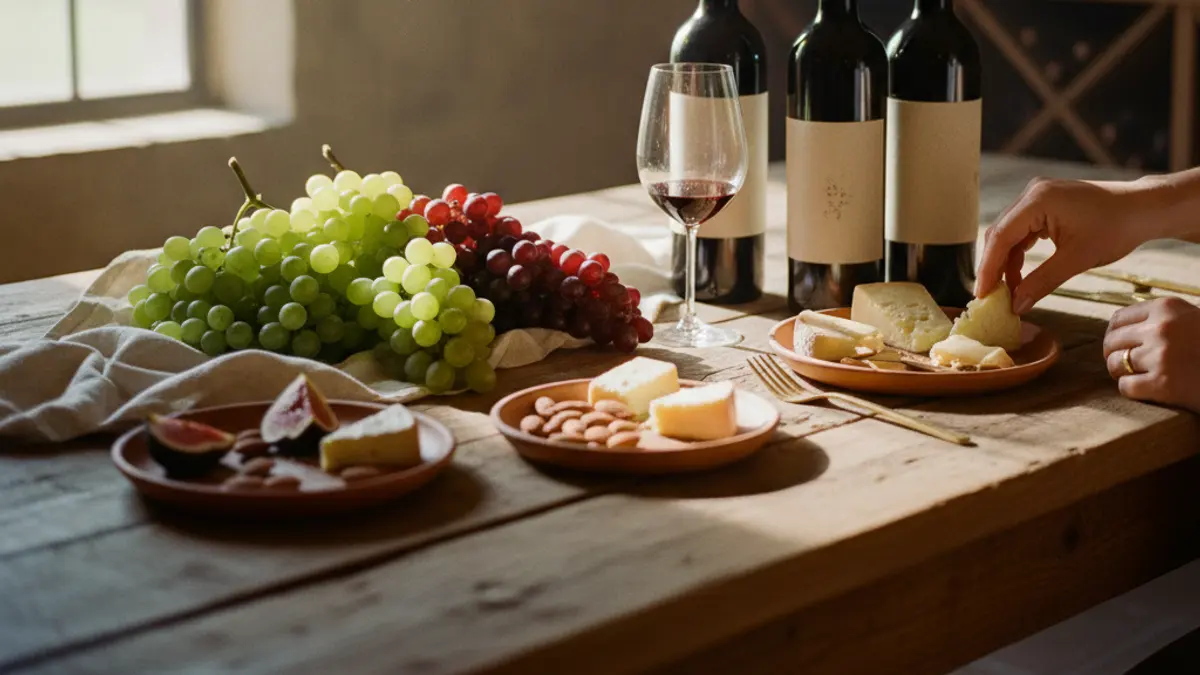
Muscat अंगूर की शुरुआत, इतिहास और महत्व
muscat grape family की वंशावली हज़ारों साल पुरानी है; Roman और medieval ग्रंथों में muscat का उल्लेख मिलता है। यह किसी एक clone का नाम नहीं है। "Muscat" उन संबंधित किस्मों के समूह को कहा जाता है जिनमें फूलों और अंगूर जैसी स्पष्ट सुगंध होती है। ये aromatic compounds—terpenes—वाइन में orange blossom, rose petal और grape jelly की खास खुशबू लाते हैं, जिससे muscat wines को तुरंत पहचाना जा सकता है।
इतिहास में muscat अंगूर Mediterranean क्षेत्र से होते हुए Central Europe और Australia तक फैले। Italy में इनसे Moscato d'Asti बनती है; France में ये Muscat d'Alsace और fortified Muscat de Beaumes-de-Venise बनाते हैं; Australia का Rutherglen क्षेत्र लंबे समय तक aged fortified Muscats के लिए प्रसिद्ध है। Vietti और Michele Chiarlo जैसे producers नाज़ुक, हल्की sparkling Moscato d'Asti पर ध्यान देते हैं, जबकि Domaine de Durban और Campbells अधिक भरपूर fortified styles में विशेषज्ञ हैं।
Muscat अंगूर इसलिए महत्वपूर्ण हैं क्योंकि वे wine categories के बीच पुल का काम करते हैं: इसी family से dry table wines, हल्की sparkling frizzantes, बेहद मीठी late-harvest wines और fortified dessert wines सभी मिलती हैं। उपभोक्ताओं के लिए इसका मतलब है कि muscat कई मौकों के अनुकूल हो सकती है—aperitif, casual brunch, spicy food pairing या गंभीर wine collecting—यह शैली और producer पर निर्भर करता है।
मुख्य muscat किस्में और उनके अंतर
इस family की तीन सबसे महत्वपूर्ण members हैं: Muscat Blanc à Petits Grains, Muscat of Alexandria और Muscat Ottonel। Muscat Blanc à Petits Grains अपनी नाज़ुक perfume के लिए prized है और premium Moscato d'Asti तथा कई Muscat de Beaumes-de-Venise bottlings की बुनियाद है। यह अपेक्षाकृत धीरे पकती है और केवल बहुत अधिक sugar के बजाय अच्छी aromatic intensity देती है।
Muscat of Alexandria में बड़े berries होते हैं और इसका character अधिक tropical तथा raisiny होता है; यह गर्म climates—Spain की Moscatel और Mediterranean table wines, साथ ही Australia के plantings—में आम है। Muscat Ottonel जल्दी पकने वाली, cool-climate variant है, जिसका इस्तेमाल Alsace और Central Europe में dry तथा off-dry styles के लिए किया जाता है। हर किस्म acidity, sugar potential और aromatic profile का अलग संतुलन देती है।
व्यावहारिक उदाहरण: Vietti या La Spinetta की Muscat Blanc à Petits Grains Moscato d'Asti की कीमत आम तौर पर $12–25 होती है और इसमें चमकदार floral lift दिखती है। Trimbach की Muscat d'Alsace से बनी Muscat Ottonel $15–30 में मिलती है और इसमें lime, white flowers तथा brisk acidity का रुझान होता है। गर्म क्षेत्रों में Brown Brothers' Moscato (Muscat of Alexandria lineage) $8–15 में मिल सकती है और इसमें tropical fruit तथा तुरंत पीने योग्य character प्रमुख होता है।
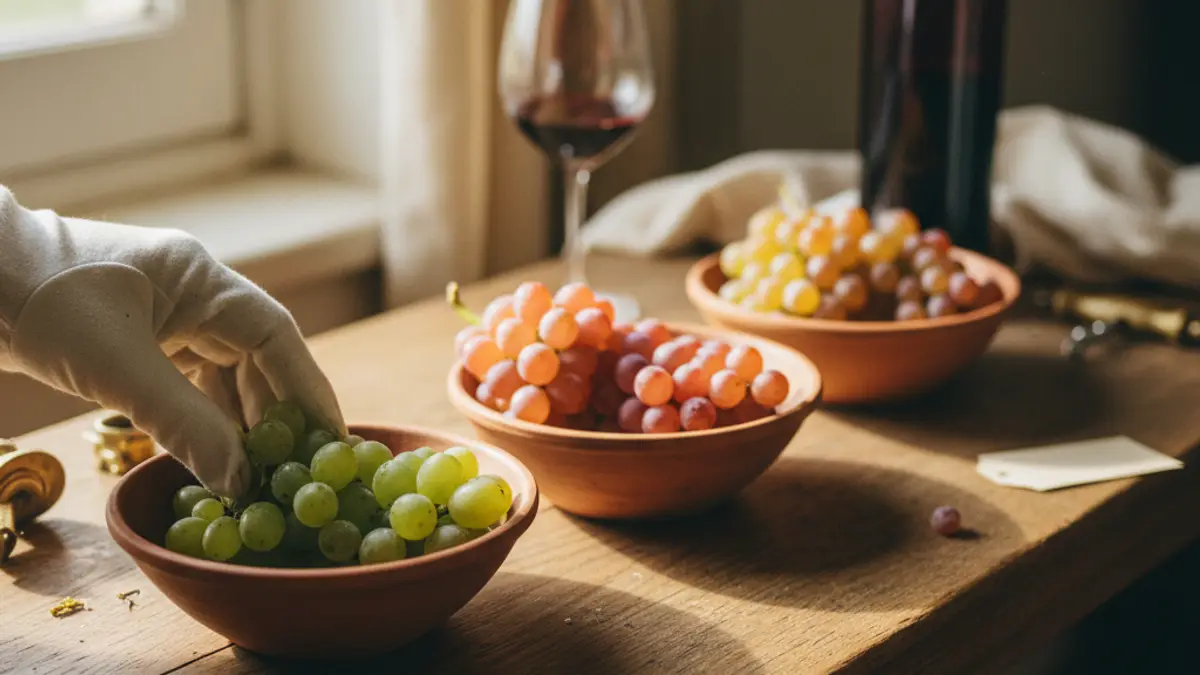
Muscat अंगूर के प्रमुख क्षेत्र और appellations
Muscat पूरी दुनिया में उगती है, लेकिन कुछ regions को जानना ज़रूरी है। Italy के Piedmont में Moscato d'Asti DOCG Muscat Blanc à Petits Grains से हल्की sparkling, low-alcohol frizzantes बनाता है—desserts और brunch के लिए आदर्श। France में Muscat d'Alsace और Muscat de Beaumes-de-Venise AOC (Rhône) क्रमशः dry aromatic whites और fortified dessert wines देते हैं। Spain के Valencian और Málaga provinces में Muscat of Alexandria से Moscatel-style wines बनाई जाती हैं।
Australia का Rutherglen (Victoria) fortified Muscat का पर्याय है—Campbells, Seppelt और Brown Brothers (अन्य styles के लिए) वाइनों को दशकों तक age करते हैं, जिससे toffee, marmalade और caramel के flavours विकसित होते हैं। Greek island Samos में sweet Muscat of Samos बनती है, जिसमें पुराने vintages में अक्सर rancio character मिलता है। ये appellations दिखाती हैं कि climate और winemaking muscat की अभिव्यक्ति को कैसे आकार देते हैं।
क्षेत्र और style के अनुसार price और availability बदलती है: Moscato d'Asti की सामान्य retail कीमत $12–25 (Vietti, Michele Chiarlo) होती है; Trimbach की Muscat d'Alsace अक्सर $15–30 में मिलती है; Campbells या Seppelt की 10–20 year-old Rutherglen Muscat की कीमत $60–300 या इससे अधिक हो सकती है। Region और style जानना किसी bottle को अपने मौके से मिलाने का सबसे तेज़ तरीका है।
Muscat wine की शैलियाँ: dry, sparkling, sweet और fortified
Muscat कई styles में बनाई जा सकती है: bone-dry table wines, हल्की sparkling frizzantes, Moscato d'Asti जैसी aromatic sweet still wines, late-harvest dessert wines और पूरी तरह fortified Muscats। हर style में sugar और acidity के बीच वांछित संतुलन पाने के लिए अलग harvest decisions और winemaking techniques अपनाई जाती हैं।
Style के अनुसार उदाहरण: dry Muscat d'Alsace (Trimbach) में 11–13% alcohol और crisp acidity होती है; frizzante Moscato d'Asti (La Spinetta Nivole, Vietti Cascinetta) low alcohol (around 5–6%) और $12–25 की होती है; Spain या Samos की sweet still Moscatos $15–40 तक हो सकती हैं। Fortified Rutherglen Muscats—Campbells Classic या Seppelt—oak में age की जाती हैं और पुराने vintages के लिए $60–300 तक की कीमत हो सकती है।
Style चुनने का तरीका: shellfish या fresh salads के लिए dry Muscat, brunch और fruit desserts के लिए frizzante Moscato, और blue cheese या dark chocolate के लिए fortified Muscat चुनें। Price concentration और age से जुड़ी होती है: सस्ती Moscato wines ($8–20) चमकदार और तुरंत पीने योग्य होती हैं; aged fortified Muscats collectible और महंगी होती हैं, लेकिन लंबे समय तक cellaring करने पर बेहतर अनुभव देती हैं।
Muscat अंगूर की viticulture और winemaking की खास बातें
Viticulture के चुनाव muscat wine पर गहरा असर डालते हैं। Muscat varieties बेहद aromatic होती हैं, इसलिए canopy management का लक्ष्य perfume compounds को सुरक्षित रखना होता है: moderate yields, धूप से होने वाले नुकसान से बचने के लिए सावधानी से leafing, और acidity खोए बिना aromatic ripeness पाने के लिए देर से harvesting। गर्म climates में harvest timing बहुत महत्वपूर्ण है—बहुत अधिक पकने पर wine raisiny हो सकती है या floral lift खो सकती है।
Style के अनुसार winemaking techniques बदलती हैं। Sparkling या frizzante Moscato d'Asti के लिए Vietti जैसे producers अक्सर short, cool fermentations करते हैं और sweetness तथा volatile aromatics बचाने के लिए fermentation को बीच में रोक देते हैं। Dry Muscat d'Alsace के लिए Trimbach जैसे producers gentle pressing करते हैं और floral purity बनाए रखने के लिए stainless steel में wine को पूरी तरह dry ferment करते हैं। Fortified Muscats—Campbells की Rutherglen examples—को आंशिक रूप से ferment करके grape spirit से fortify किया जाता है, फिर barrels में लंबे समय तक oxidative aging होती है।
अन्य practices में bitter phenolics से बचने के लिए whole-cluster pressing, terpenes को सुरक्षित रखने के लिए temperature-controlled fermentation, और aged dessert Muscats में texture जोड़ने के लिए neutral oak या पुराने barrels का इस्तेमाल शामिल है, ताकि perfume ढक न जाए। Late-harvest और botrytized Muscats के लिए selective harvesting और fractional pressing concentration तथा complexity बढ़ाते हैं। इन्हीं choices से तय होता है कि final bottle चमकदार और floral होगी या rich और rancio-driven।
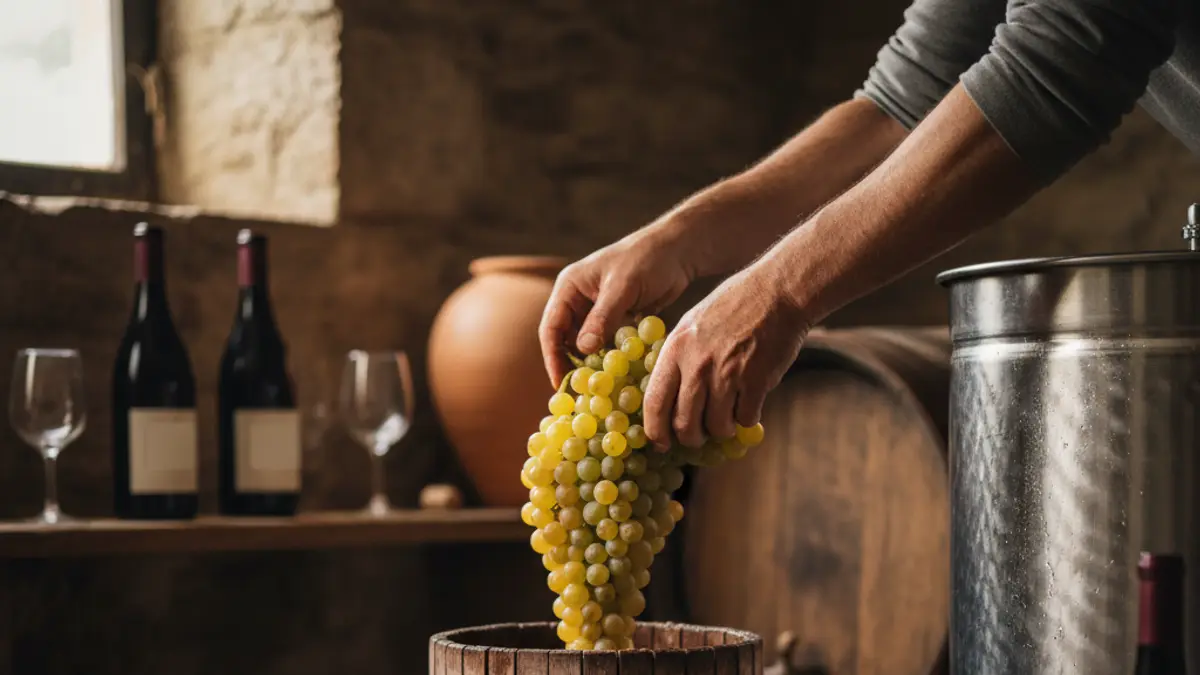
Tasting profile: muscat wine की aromas, palate और वर्णन
Muscat wines की पहचान उनकी तीव्र और खास aromatics से होती है: orange blossom, rose petal, ripe grape, lychee और कभी-कभी honey तथा spice। Palate पर dry versions में floral lift के साथ brisk acidity होती है; sweet और fortified Muscats उम्र के साथ marmalade, toffee, dried fruits और rancio की ओर जाती हैं। Texture spritzy और delicate (Moscato d'Asti) से लेकर syrupy और viscous (late-harvest Moscatel) तक हो सकता है।
अपने palate को train करने के लिए पहले floral top notes (orange blossom, rose), फिर fruit (white grape, peach, lychee) और आखिर में oak या age से आने वाले secondary notes (honey, caramel, dried apricot) को सूंघें। Trimbach Muscat d'Alsace में citrus और florals के साथ saline finish प्रमुख होगी; Brown Brothers Moscato में tropical fruit और sweetness पर जोर होगा; aged Campbells Rutherglen Muscat में toffee, fig और coffee-laced rancio दिखाई देगा।
Tasting notes में muscat wine का वर्णन करते समय dominant aromatics से शुरुआत करें (जैसे, "orange blossom, lychee"), sweetness और acidity का संतुलन लिखें, texture (spritz, silky, viscous) बताएं और अगर मौजूद हों तो age-related traits का उल्लेख करें। यह framework casual drinkers और collectors दोनों को अपनी पसंद स्पष्ट करने और shop में मिलती-जुलती bottles पहचानने में मदद करता है।
Muscat अंगूर के साथ food pairing: क्या काम करता है और किससे बचें
Muscat की aromatic profile और अलग-अलग sweetness इसे food के साथ versatile बनाती है। Sweet muscats और Moscato fruit-based desserts, foie gras और fresh ricotta या mascarpone जैसे soft cheeses के साथ शानदार लगती हैं। उदाहरण के लिए, हल्की sweetness वाली Moscato d'Asti peach tart या panna cotta के साथ बहुत अच्छी लगती है। Fortified Rutherglen Muscat, Stilton, aged Manchego या dark chocolate के साथ classic match है।
Dry Muscat d'Alsace shellfish, grilled scallops और citrus vinaigrettes वाले salads के साथ अच्छी रहती है; इसका aromatic lift Thai basil या lemongrass जैसे herb-driven dishes को complement करता है। Sweet muscat wines को बहुत salty या अत्यधिक spicy mains के साथ न मिलाएं, क्योंकि इससे wine का असर दब सकता है; spicy cuisines के लिए dry या off-dry Muscat चुनें। Asian food के साथ off-dry Moscato heat को संतुलित करते हुए aromatic interest बनाए रख सकती है।
सरल pairing rules: sweetness levels मिलाएं (sweet wine + sweet या salty food), aromatics को flavours की प्रतिध्वनि बनने दें (citrus desserts के साथ orange blossom), और texture का complementary चुनाव करें (creamy desserts के साथ frizzante Moscato)। व्यावहारिक pairings: lemon ricotta pancakes के साथ Vietti Moscato d'Asti, grilled prawns के साथ Trimbach Muscat d'Alsace, और blue cheese या fig jam के साथ Campbells Rutherglen Muscat।
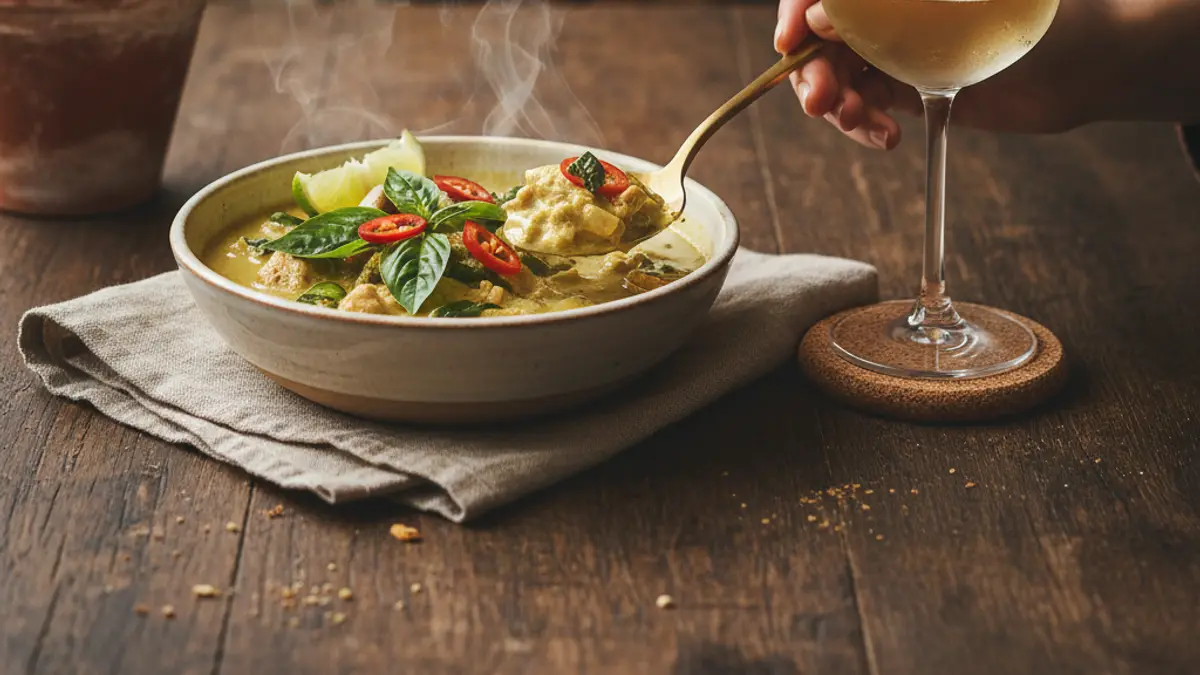
Muscat wine की खरीद, cellaring और price expectations
Muscat wines खरीदते समय पहले तय करें कि आपको कौन-सी style चाहिए: तुरंत पीने योग्य Moscato, food-friendly dry Muscat या age-worthy fortified Muscat। Style और age के अनुसार price ranges की उम्मीद रखें: entry-level Moscato d'Asti $12–25 (Vietti, Michele Chiarlo), dry Muscat d'Alsace $15–40 (Trimbach), और aged Rutherglen Muscat $40–300+—vintage और barrel में बिताए समय के अनुसार (Campbells, Seppelt)।
Cellaring की सलाह: light, low-alcohol Moscato d'Asti को freshness बनाए रखने के लिए 1–5 वर्षों के भीतर पीना बेहतर है। Dry Muscat d'Alsace 3–10 वर्षों तक age होकर अतिरिक्त complexity पा सकती है। Fortified Muscats असली cellaring stars हैं—अच्छी तरह बनाई गई Rutherglen Muscats अक्सर दशकों तक बेहतर होती हैं; 20–30 year-old example में layered rancio विकसित होता है, जबकि बहुत पुराने bottlings collectible बन जाते हैं और auction में ऊंची कीमत पा सकते हैं।
खरीदारी के tips: producer reputation (Vietti, Trimbach, Campbells), sweet styles के लिए warm या botrytized years में vintage quality, और aged fortified Muscats के लिए bottle condition देखें। अगर आप collecting कर रहे हैं, तो 55°F पर moderate humidity और कम रोशनी वाली जगह में store करें। रोज़मर्रा के आनंद के लिए recent vintages चुनें और frizzantes को chilled, जबकि dry styles को थोड़ा कम ठंडा करके पिएं।
Cooking और cocktails में muscat अंगूर का इस्तेमाल
Muscat की aromatic intensity इसे glass के बाहर भी एक versatile ingredient बनाती है। Seafood reductions में dry Muscat d'Alsace की थोड़ी मात्रा बिना अधिक sugar जोड़े sauces को bright करती है; हल्की sparkling Moscato को brunch cocktails में bubbly component की तरह इस्तेमाल किया जा सकता है, जहां prosecco की जगह यह अधिक मीठा और floral accent देती है। Fortified Muscat desserts को समृद्ध कर सकती है—dried fruits को macerate करने के लिए कुछ tablespoons इस्तेमाल करें या ice cream के लिए caramel sauce को finish करें।
Recipe ideas: vanilla और star anise के साथ Moscato d'Asti में pears poach करें; Rutherglen Muscat के साथ figs flambé करके mascarpone के साथ परोसें; dry Muscat को lemon और butter के साथ reduce करके grilled prawns पर डालें। Cocktails के लिए chilled Moscato को orange liqueur और lemon twist के साथ मिलाकर low-alcohol spritz बनाएं, या floral lift के लिए whiskey sour में Muscat की dash डालें।
Cooks के लिए technical notes: aromatic Muscats के साथ कम heat इस्तेमाल करें ताकि volatile notes सुरक्षित रहें, और tertiary flavors बनाए रखने के लिए reductions में fortified Muscat आखिर में डालें। Muscat का floral character citrus, stone fruit, almonds और cardamom तथा star anise जैसे spices के साथ अच्छी तरह मिलता है—Mediterranean और Middle Eastern desserts के बारे में सोचें, जहां floral notes honey और nuts को complement करती हैं।
Muscat wine को pro की तरह taste और evaluate कैसे करें
Muscat tasting में aroma, balance और age पर ध्यान देना ज़रूरी है। शुरुआत nose से करें और primary florals (orange blossom, rose), fruit (lychee, peach, grape) तथा tertiary notes (honey, caramel, rancio) को पहचानें। Palate पर sweetness level, acidity, alcohol और texture—frizzante, silky या viscous—जांचें और देखें कि aromatics finish तक बनी रहती हैं या नहीं।
व्यावहारिक steps: frizzantes और light Moscato को 6–8°C (43–47°F), dry Muscat को 8–12°C (46–54°F) पर chilled serve करें, और fortified Muscats को थोड़ा warmer रखें। Focused aromatics के लिए narrow white wine glass या aged examples की complexity महसूस करने के लिए standard white glass इस्तेमाल करें। Volatile aromas छोड़ने के लिए धीरे से swirl करें, फिर पहले immediate top notes और उसके बाद अधिक subtle secondary elements को सूंघें।
Scoring tips: aromatic intensity और clarity, acidity और residual sugar का balance, तथा age या oak से आई complexity पर जोर दें। समान styles की तुलना करें—sweet Moscato को sweet होने के लिए penalize न करें; इसके बजाय देखें कि sweetness acidity और aromatic lift के साथ कितनी अच्छी तरह integrated है। Vietti, La Spinetta, Trimbach और Campbells के बीच tasting करने से stylistic signatures और quality markers पहचानने की आपकी क्षमता बेहतर होगी।
Where to buy
An answer box can tell you which wine to look for. It cannot tell you which shop near you stocks it. These listings carry addresses, published opening hours and a map — 3,172 venues across 60 cities.