

How long does an unopened bottle of wine last?
An unopened bottle of wine lasts until its fruit, freshness and structure have developed or declined beyond the point at which the wine remains enjoyable. Most wines are best treated as near-term drinking wines, while a smaller group of balanced and concentrated wines can benefit from medium-term or extended-term bottle ageing. A sealed bottle does not have a universal drinking deadline because wine style, producer intent, closure condition and storage history vary.
Unopened-bottle life differs from the life of wine after opening. Oxygen exposure increases sharply after the closure has been removed, so guidance on how long wine lasts after opening addresses a different process from gradual development inside a sealed bottle. A wine that can remain sound for an extended period while sealed may decline much more quickly after opening.
A wine with modest wine ageing potential may remain drinkable after its ideal drinking horizon, but the wine can lose the aroma, texture and balance that originally made it appealing. A wine with substantial wine ageing potential may begin with restrained aromas, firm tannin or tightly held fruit, then develop savoury, floral, nutty or earthy complexity as its components integrate. Survival in bottle is therefore not the same as favourable bottle ageing.
Wine does not decline according to a predictable universal calendar. Producer decisions, grape variety, growing conditions, alcohol, acidity, tannin, sweetness, bottling quality, closure performance and storage can all influence development. Bottles carrying the same label can show different conditions if their storage histories differ or if their closures have performed differently.
Wine style provides a more useful starting point than bottle age alone. Light, aromatic wines are commonly made to express vivid primary fruit and freshness, so prolonged keeping can work against their intended character. Concentrated reds, sweet wines and selected high-acid whites are more plausible candidates for extended bottle ageing, provided that concentration and balance accompany their protective structure.
Storage history can outweigh reputation. A celebrated wine exposed to heat, strong light, leakage or repeated temperature change may be less sound than a modest wine kept in a dark and stable environment. VinSip's guide to how to store wine explains the storage conditions that give a sealed bottle the best chance of reaching its intended drinking horizon.
Why do some wines age longer than others?
Some wines age longer because acidity, tannin, sugar, alcohol, concentration and stable storage give them enough protection and balance to develop gradually. Protective structure does not guarantee favourable bottle ageing, but a balanced combination can help a wine retain freshness while its aromas, colour and texture evolve. Wines without sufficient concentration or balance often lose their appeal before complex mature characteristics emerge.
Acidity is the freshness and structural tension created by acids in wine. Strong acidity can help a wine retain energy as primary fruit aromas soften, which is why selected dry whites and sweet wines can remain expressive through extended bottle ageing. Acidity can still feel harsh if the wine lacks enough fruit, sweetness or texture to remain balanced.
Tannin is the drying, mouth-coating structure derived chiefly from grape skins, seeds and oak. Tannin is most prominent in red wine, and firm but balanced tannin can soften and integrate during bottle ageing. High tannin alone is not proof of wine ageing potential because an unbalanced tannic wine may remain coarse after its fruit has faded.
Sugar is the natural or retained sweetness in wine. Sugar can provide a protective reserve that supports extended development in sweet wine, especially where acidity prevents the sweetness from feeling heavy. Sweetness without freshness or concentration does not automatically make a wine suitable for cellaring.
Alcohol is a structural component that contributes body and stability. High alcohol by itself does not create wine ageing potential, and excessive warmth can make an otherwise concentrated wine feel unbalanced. Fortified wine can have substantial durability because its style combines alcohol with other protective features, which may include sweetness or deliberate oxidative development.
Concentration is the depth of fruit, flavour and structural material in a wine. A concentrated wine has more substance available to evolve as its primary fruit changes, but concentration must remain in balance with acidity, tannin, sweetness and alcohol. Heavy extraction without harmony can produce a wine that is powerful when young but unrewarding after extended keeping.
Balance is the relationship among fruit, acidity, tannin, sweetness, alcohol and texture. Balance matters more than an isolated structural feature because every component changes during bottle ageing. A balanced structured wine can seem restrained while young, yet its components may integrate into a more complete mature expression.
Primary aroma is the fruit, floral and other grape-led aroma most evident in youthful wine. Wines intended for near-term drinking often rely on vivid primary aroma, gentle tannin and immediate freshness. Extended keeping can reduce those features without necessarily replacing them with attractive mature complexity.
Sulphur dioxide is a preservative used to protect wine against oxidation and microbial spoilage. The European Union sets total sulphur dioxide limits of 150 mg per litre for dry red wine and 200 mg per litre for dry white and rosé wine, establishing the ceiling on the main preservative available to a winemaker. Sulphur dioxide can help preserve a wine, but preservative use cannot turn an unbalanced wine into an age-worthy wine.
Clean bottling, suitable closure performance and stable storage remain necessary even where a wine has protective structure. A wine with substantial wine ageing potential can deteriorate after heat exposure, leakage or closure failure. A modest wine kept in appropriate conditions may remain pleasant throughout its intended drinking horizon, even if the wine was never designed to become more complex.
Which wine styles are worth keeping?
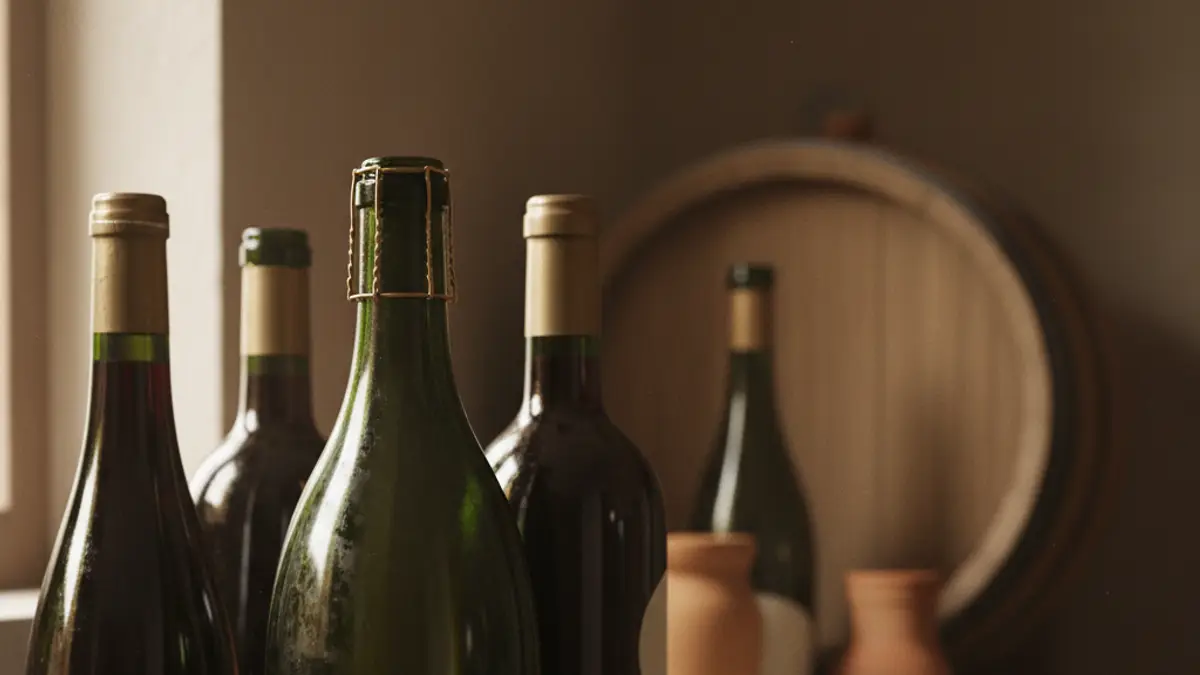
Wine styles most worth keeping include concentrated reds with balanced tannin and acidity, sweet wines with strong acidity, and selected dry whites with concentration and freshness. Drinking horizons are broad categories rather than guarantees because producer style, growing conditions, bottle condition, closure performance and storage history can move a wine toward earlier or later development. Light, simple and highly aromatic wines are generally more reliable as near-term drinking wines.
A drinking horizon is the broad period in which a wine is expected to provide its intended balance and character. Near-term describes wine made mainly for youthful fruit and freshness. Medium-term describes wine that can gain integration with some bottle development, while extended-term describes wine whose structure can support prolonged development under appropriate storage.
A basic red or white made for freshness is usually most expressive while its fruit remains direct and its texture remains lively. A serious regional wine from a producer known for structured bottlings may reward medium-term or extended-term bottle ageing. A prestigious name does not guarantee condition because poor storage, a low fill level, leakage or closure damage can outweigh reputation.
| Wine style | Broad drinking horizon | Features that can support development |
|---|---|---|
| Light, aromatic dry white | Near-term | Primary fruit and freshness are usually the main attractions |
| Rosé | Near-term | Delicate fruit, colour and freshness are commonly most expressive while youthful |
| Simple unoaked red | Near-term | Soft tannin and direct primary fruit usually favour early drinking |
| Full-bodied red | Medium-term to extended-term | Concentration, balanced tannin, acidity and integrated alcohol |
| Structured Bordeaux-style red | Medium-term to extended-term | Tannin, acidity, fruit concentration and producer intent |
| Fine Pinot Noir and Burgundy | Medium-term to extended-term | Acidity, perfume, concentration, texture and balance |
| Dry Riesling | Medium-term to extended-term | Strong acidity, concentration and capacity for aromatic development |
| Sweet wine | Extended-term | Sugar, acidity and concentration |
| Fortified wine | Extended-term | Alcohol, sweetness in some styles and oxidative stability in others |
Full-bodied red wine often has more concentration and tannin than a light red, but body alone is not a guarantee of wine ageing potential. VinSip's guide to full-bodied red wines explains how concentration, tannin, acidity and alcohol shape the style. A balanced full-bodied red is a stronger candidate for keeping than a hot or heavily extracted red whose fruit and structure are not integrated.
Bordeaux-style red wine is often considered for bottle ageing because structured examples can combine fruit concentration, acidity and tannin. VinSip's Bordeaux wine guide explains the region and the styles associated with it. Producer intent, vintage character and storage condition remain necessary parts of any decision about when to open a Bordeaux bottle.
Fine Burgundy and Pinot Noir can develop through fragrance, texture and savoury complexity rather than through sheer tannic weight. VinSip's Burgundy wine guide provides the regional context needed to distinguish simple early-drinking examples from more concentrated wines intended for bottle development. Delicacy does not necessarily mean fragility, but low concentration and poor storage can shorten the drinking horizon.
Riesling demonstrates why white wine should not automatically be treated as short-lived. VinSip's Riesling grape guide explains how acidity, sweetness and style influence Riesling's development. Light and simple Riesling can be most appealing for youthful aroma, while concentrated examples with strong acidity can be plausible candidates for medium-term or extended-term bottle ageing.
Sweet wine can have substantial wine ageing potential when sugar, acidity and concentration remain balanced. Sweetness can protect the wine, while acidity preserves freshness as aromas move away from primary fruit. A sweet wine that lacks acidity or concentration may still become tired rather than complex.
Fortified wine requires style-specific judgment because some fortified wines are protected by sweetness while others are made with deliberate exposure to oxygen. An unopened fortified wine can be durable, but durability is not the same as guaranteed improvement. Producer guidance and the intended style remain relevant when deciding whether further keeping is likely to add pleasure.
Does wine age differently under screwcap and natural cork?
Wine can age successfully under screwcap or natural cork because closure type does not determine wine ageing potential by itself. A screwcap is a manufactured metal closure designed to create a consistent seal, while natural cork is a closure cut from cork material and therefore subject to natural variation. Wine style, bottling quality, seal integrity and storage history remain more useful indicators than a simple comparison between closure categories.
Natural cork has a long association with cellaring and remains familiar to producers of wines intended for bottle development. A sound natural cork can maintain an effective seal and allow favourable development. Natural variation can also contribute to differences among bottles carrying the same label.
Natural cork can be affected by cork taint, inconsistent seal performance or physical deterioration. Cork taint is a fault that suppresses fruit and creates musty or damp-cardboard aromas. A bottle sealed with natural cork can also oxidise if the closure no longer provides an effective seal, so the age or prestige of a cork-sealed bottle is not proof that the wine remains sound.
Screwcap avoids cork taint and can provide uniform closure performance. Producers often use screwcap when they want to preserve freshness, precision and primary aroma, and some producers also choose screwcap for structured wines intended to develop in bottle. A screwcap-sealed wine may retain a fresh or tightly wound character for an extended period, but slower aromatic development should not automatically be interpreted as inferior development.
Commission Delegated Regulation (EU) 2019/33 grants a wider alcohol labelling tolerance of 0.8% vol to wines with a protected designation or geographical indication that have been bottled for more than three years. The European Union's regulation acknowledges that long-aged wine changes in the bottle, but the provision does not promise improvement and does not favour screwcap or natural cork. Bottle ageing can produce favourable complexity, neutral change or decline depending on the wine and its condition.
Producer intent provides essential context for closure choice. A wine made for immediate fruit does not acquire wine ageing potential merely because it is sealed with natural cork. A structured wine bottled under screwcap should not be opened prematurely merely because the closure differs from the traditional closure associated with cellaring.
Seal integrity is more useful than closure category when inspecting an older bottle. Leakage, wine residue around the seal, a displaced natural cork, physical damage to a screwcap and evidence of heat all reduce confidence in the bottle. An undamaged closure cannot guarantee quality, but visible closure problems provide a practical reason for caution.
What can ruin an unopened wine before its intended drinking horizon?
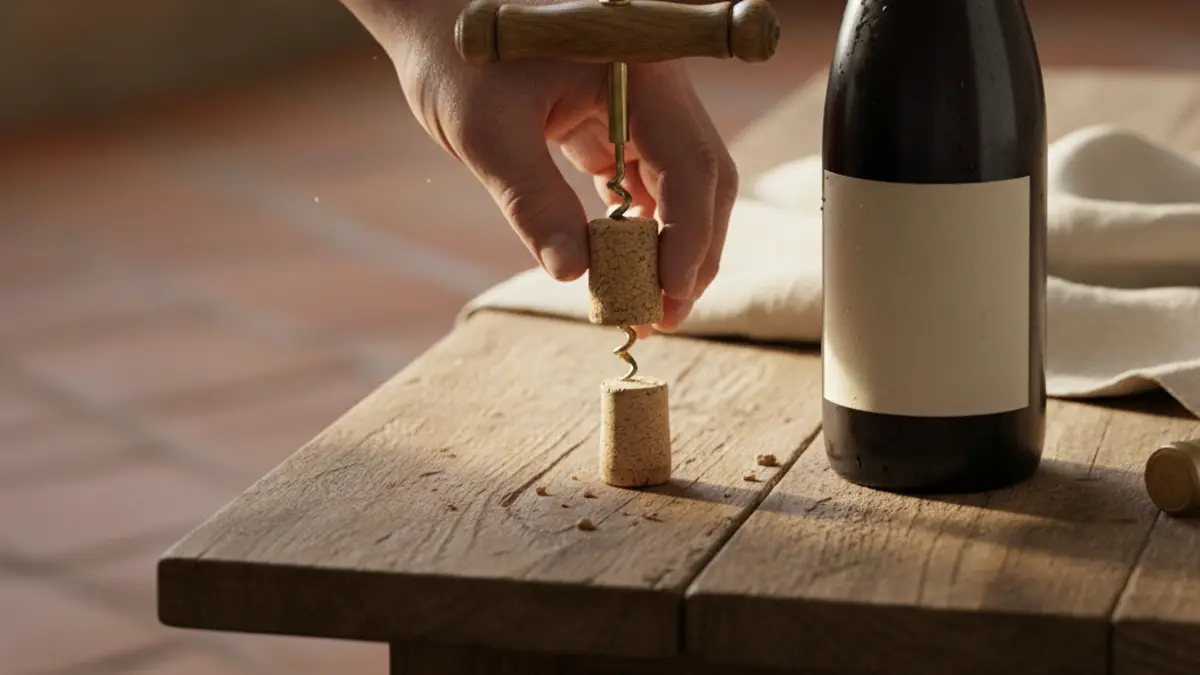
Heat, repeated temperature change, strong light, vibration, unsuitable conditions around natural cork and closure damage can ruin unopened wine before its intended drinking horizon. A dark, cool, quiet and stable storage environment gives a sealed bottle the best chance of developing as its producer intended. Wine ageing potential cannot compensate for severe or prolonged storage damage.
Heat accelerates bottle development and can push aromas toward cooked, stewed or flat characteristics. Heat can also expand the wine and place stress on the closure, increasing the risk of leakage or unwanted oxygen entry. A bottle that has been exposed to substantial warmth may therefore taste more mature or more oxidised than its label suggests.
Repeated temperature change can place continuing stress on a closure and can accelerate uneven development. A location that alternates between warmth and coolness is less suitable than an environment that remains stable. Stability matters because the bottle, closure and wine are repeatedly affected when storage conditions change.
Strong light can damage delicate aromas, especially where wine is stored in clear or pale glass. Direct sunlight also introduces heat, combining light exposure with temperature stress. A dark cupboard or dedicated storage space is preferable to a bright shelf or windowsill.
Vibration is movement transmitted to a stored bottle. A quiet storage location avoids repeated disturbance and allows sediment in mature wine to settle. Vibration is not usually as obvious as heat or leakage, but avoiding unnecessary movement is a sensible precaution for wine intended for extended-term bottle ageing.
Closure damage can permit leakage or oxygen entry. Wine residue beneath a capsule, stickiness around a seal, a displaced natural cork, a dented screwcap or evidence that wine has escaped all suggest that the bottle may have experienced damaging conditions. Visible damage does not prove that the wine has failed, but it lowers confidence in the remaining quality.
Bottle format is the amount of wine held by a particular bottle size and shape. The European Union's Directive 2007/45/EC permits still wine in bottles from 100 ml to 1 500 ml, and format matters to ageing because a larger bottle has less closure surface per unit of wine. Less closure surface per unit of wine can contribute to slower development in a larger format, although closure condition and storage remain decisive.
A larger bottle is not protected from poor storage merely because format can influence development. Heat, strong light, leakage and closure damage can still spoil the wine. Format should therefore be treated as a factor in the rate of development rather than as a guarantee of quality.
Storage location matters more than decorative presentation. A kitchen shelf, bright windowsill, attic, garage or vehicle can expose wine to heat, light or repeated temperature change. A cellar or dedicated wine-storage space is useful because it can provide darkness, quiet and stability, not because every bottle requires extended cellaring.
Bottles intended for extended-term bottle ageing should be kept away from direct light and locations with frequent temperature change. Natural-cork-sealed bottles are commonly stored on their sides so the closure remains in contact with wine. Screwcap-sealed bottles can be stored in an orientation that keeps them secure and protected from movement or physical damage.
VinSip's reference guide to how to store wine provides practical advice for choosing a storage location. Appropriate storage cannot add structure that the wine lacked at bottling, but it can help preserve the qualities the producer intended the bottle to show.
How can you tell whether a stored bottle is still good?
A stored bottle is assessed by reviewing its provenance, fill level and closure condition, then examining its appearance, aroma and taste after opening. Provenance is the known history of a bottle's purchase, ownership and storage. No external inspection can provide certainty, but sound provenance and a bottle without leakage or obvious closure damage support a more confident assessment.
A bottle bought from a reliable merchant and kept in a dark, stable environment is a stronger prospect than a bottle of unknown provenance found near a source of heat, in a bright room or in a vehicle. Storage history can reveal risks that are not visible through the glass. A clean exterior does not prove that the wine avoided heat or repeated temperature change.
Fill level is the visible position of the wine inside the bottle. A fill level that is noticeably lower than comparable bottles can indicate evaporation, leakage or compromised closure performance. Bottle shape and producer bottling practices can affect appearance, so comparison with the same wine and format is more informative where comparable bottles are available.
Closure inspection can identify warning signs before opening. Staining beneath the capsule, seepage, a displaced natural cork, corrosion, cracks or physical damage around the seal can indicate poor storage or closure failure. A bottle without visible damage may still be faulty, but a damaged seal provides a clear reason to reduce expectations.
Appearance provides useful information after opening, although mature colour and sediment are not automatically faults. Older red wine can become lighter and develop garnet or tawny tones, while sediment can form as pigments and tannins change during bottle ageing. Mature white wine can deepen in colour, but pronounced browning can indicate oxidation.
Unexpected cloudiness or bubbling can be a warning sign in a wine whose style should be clear and still. Appearance must be interpreted in the context of wine style because some wines are bottled with minimal filtration or are intentionally made with visible sediment. Visual examination should guide the assessment rather than replace smelling and tasting.
Aroma is often the clearest guide to the condition of an older bottle. A sound mature wine may show dried fruit, leather, mushroom, tobacco, nuts, honey, spice or forest-floor aromas, depending on its style. Mature aromas can replace youthful primary fruit without indicating that the wine is faulty.
Faulty wine may smell stale, sharply vinegary, mouldy, musty, like wet cardboard or distinctly cooked. Cork taint commonly suppresses fruit and produces a musty character. Oxidation can make wine seem flat, bruised or excessively nutty unless the wine style was deliberately made through oxidative development.
Taste confirms whether mature characteristics remain balanced. A wine can be old without being bad because fading primary fruit, softened tannin and savoury complexity may represent appropriate bottle development. A wine is past its best when it feels hollow, stale, oxidised, stripped of balance or unpleasantly sharp without enough fruit or texture.
A mature but enjoyable wine should be judged by the pleasure and balance it still provides rather than by expectations based only on reputation or bottle age. Decanting may separate clear wine from sediment or allow a closed aroma to emerge, but decanting cannot restore fruit, freshness or structure lost through oxidation or heat damage. A faulty bottle remains faulty regardless of presentation.
Bottom line
How long an unopened bottle of wine lasts depends on wine style, structure, producer intent, closure condition and storage history. Unopened-bottle life is the period during which a sealed wine remains sound and enjoyable, while wine ageing potential is the capacity to develop favourably rather than merely survive in bottle. Most wines are best treated as near-term drinking wines because extended keeping can reduce fruit, freshness and balance instead of creating complexity.
Wines more likely to reward keeping include structured reds with balanced tannin and acidity, selected high-acid dry whites, balanced sweet wines and some fortified wines. Price, region, bottle age and closure category do not guarantee wine ageing potential. A screwcap can support successful bottle ageing, while a natural-cork-sealed bottle can fail if the closure is tainted, damaged or no longer effective.
Storage can determine whether a wine reaches its intended drinking horizon. A dark, cool and stable environment protects wine from avoidable heat, strong light and repeated temperature change. Leakage, a low fill level, wine residue around the seal, a displaced natural cork or physical closure damage should reduce confidence in an older bottle.
The European Union sets total sulphur dioxide limits of 150 mg per litre for dry red wine and 200 mg per litre for dry white and rosé wine, establishing the ceiling on the main preservative available to a winemaker. The European Union's Directive 2007/45/EC permits still wine in bottles from 100 ml to 1 500 ml, and a larger bottle has less closure surface per unit of wine. Commission Delegated Regulation (EU) 2019/33 grants a wider alcohol labelling tolerance of 0.8% vol to wines with a protected designation or geographical indication that have been bottled for more than three years, acknowledging that long-aged wine changes in the bottle.
An older wine should be judged through provenance, fill level, closure condition, appearance, aroma and taste. Mature aromas and sediment can be normal, but stale, musty, sharply vinegary or cooked aromas can indicate a fault. A wine that tastes hollow, oxidised or stripped of balance is likely past its best, while a mature wine that remains balanced and enjoyable can still be sound even after its primary fruit has faded.
Primary sources
Every figure on this page comes from the body named in the sentence that states it. Here is where to check each one: