
Riesling अंगूर की उत्पत्ति और ऐतिहासिक संदर्भ
riesling grape की उत्पत्ति संभवतः आज के Germany के Rhine region में late Middle Ages के दौरान हुई थी। Mosel, Rheingau और Nahe के खड़ी ढलानों वाले slate-soil vineyards में इसने अपनी जगह बनाई। वहाँ इसकी उच्च acidity और शुरुआती पकने पर कम natural sugar ठंडी जलवायु के अनुकूल थी और लंबे aging की संभावना देती थी। ऐतिहासिक दस्तावेज़ों में 15वीं और 16वीं शताब्दी में riesling का उल्लेख मिलता है; 18वीं शताब्दी तक dry और sweet दोनों wines के लिए इसे राजदरबारों और monasteries में बहुत पसंद किया जाने लगा था।
Riesling का ऐतिहासिक महत्व प्रसिद्ध estates में साफ दिखता है: Rheingau में Schloss Johannisberg ने शुरुआती Riesling selections को संभालकर रखा, जबकि Mosel के खड़ी vineyards ने मांग वाली Kabinett और Spätlese styles पैदा कीं। 19वीं और 20वीं शताब्दी में Egon Müller और Joh. Jos. Prüm जैसे producers ने late-harvest और noble rot examples को collector status तक पहुँचाया। इन्हीं परंपराओं ने Germany की Prädikatswein scale जैसी आधुनिक classifications को आकार दिया, जो आज भी sweetness और ripeness के बारे में अपेक्षाएँ तय करती है।
Migration और experimentation ने riesling को Germany से बाहर पहुँचाया: Alsace ने Trimbach और Zind-Humbrecht जैसे houses के तहत एक अलग, अक्सर dry expression विकसित की; Austria ने Wachau में mineral-driven Rieslings बनाए; और Australia की Clare तथा Eden Valleys ने साफ, fruit-forward styles तैयार कीं। Grosset और Pewsey Vale जैसे producers ने दिखाया कि गर्म जलवायु में उगा riesling भी कितना precise रह सकता है। इस इतिहास को समझने से पता चलता है कि german riesling Alsace या Australian bottle से अलग क्यों होती है।
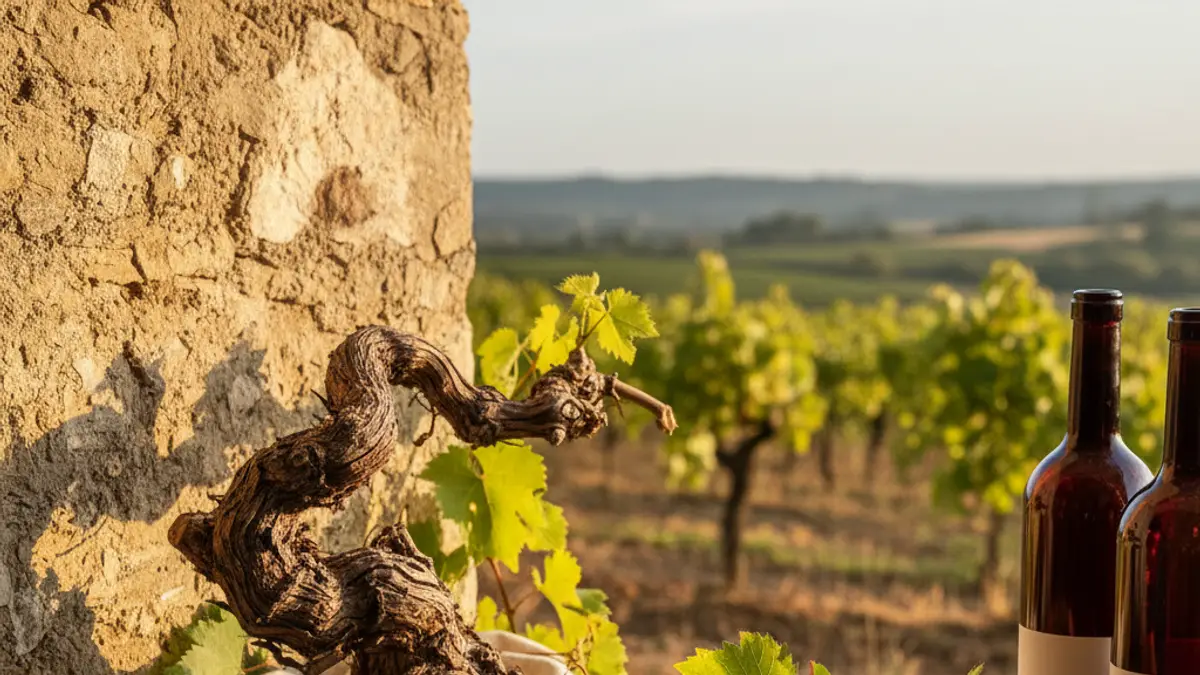
अंगूर की विशेषताएँ और Vineyard Practices
Riesling देर से bud करने और देर से पकने वाला अंगूर है, जिसकी skins पतली और acidity स्वाभाविक रूप से ऊँची होती है। यह संयोजन freshness और aroma को बनाए रखता है, लेकिन अंगूर को frost और rot के प्रति संवेदनशील भी बनाता है। Vineyard site का चुनाव महत्वपूर्ण है: slate, schist, and limestone soils minerality देते हैं और acidity को चमकदार बनाए रखते हैं; गर्म sites में fruit अधिक पका हुआ और texture अधिक समृद्ध होता है। Growers canopy और yield को सावधानी से नियंत्रित करते हैं—बहुत अधिक crop aromatics को dilute कर देता है, जबकि कम yields flavor और sugar दोनों को concentrate करती हैं।
मुख्य viticultural practices में selective hand-harvesting, bunch thinning और sweet styles के लिए passito या botrytis picks शामिल हैं। Germany में Mosel की खड़ी ढलानों पर manual labor और precision की जरूरत होती है; Dr. Loosen और Dönnhoff जैसे producers अलग-अलग picks में harvest करते हैं, ताकि Kabinett, Spätlese और Auslese ripeness levels हासिल किए जा सकें। Australia की Clare Valley में mechanical harvest आम है, लेकिन growers acidity बनाए रखने के लिए cool-night picks को प्राथमिकता देते हैं—Grosset की Polish Hill pick dates citrus lift और पके stone fruit के बीच संतुलन बनाने के लिए तय की जाती हैं।
Clonal selection और rootstock का चुनाव expression को प्रभावित करता है: Saar या Mosel sites में Egon Müller की holdings जैसी जगहों पर लगी पुरानी, ungrafted Riesling vines बेहद aromatic और कम yield वाला fruit देती हैं, जिसे age-worthiness के लिए पसंद किया जाता है। Alsace में Zind-Humbrecht और Rheinhessen में Weingut Keller जैसे producers के बीच organic और biodynamic approaches तेजी से आम हो रहे हैं। इससे terroir उभरकर आता है और chemical masking से varietal perfume कम प्रभावित होता है।
Styles को समझें: Dry Riesling से Noble Rot Sweets तक
riesling grape sweetness और style की बहुत बड़ी range पेश करता है। एक छोर पर bone-dry dry riesling है—Germany में Trocken या Alsace में केवल dry—जिसका स्वाद crisp, citrus-driven और कभी-कभी flinty लगता है। दूसरे छोर पर late-harvest और botrytized categories हैं—Beerenauslese (BA) और Trockenbeerenauslese (TBA)—जो असाधारण aging potential वाली बेहद मीठी, honeyed wines बनाती हैं। इनके बीच Kabinett, Spätlese और Auslese levels आते हैं, जो producer और region के अनुसार off-dry से medium-sweet तक हो सकते हैं।
उदाहरण के लिए, 2019 Dr. Loosen Erdener Prälat Riesling Spätlese (Mosel) की retail कीमत आम तौर पर $45–$70 होती है और इसमें संतुलित acidity के साथ पके stone fruit के स्वाद मिलते हैं। 2017 Trimbach Riesling (Alsace Grand Cru) की dry style लगभग $30–$45 की होती है और slate तथा lime पर जोर देती है। एक खास sweet example Dönnhoff 2011 Oberhäuser Leistenberg Beerenauslese है, जो collector markets में अक्सर $150 से ऊपर मिलती है। कीमत ripeness और rarity पर निर्भर करती है: Trocken labels की कीमत अक्सर $15–$40; top Kabinett/Spätlese $30–$90; और noble rot wines $100–$500+ होती है।
खरीदते समय label के संकेत पढ़ें: German Trocken dry का संकेत देता है; Kabinett हल्की, अक्सर off-dry होती है; Spätlese और Auslese अधिक पकी, अक्सर मीठी styles बताती हैं। Alsace में growers अक्सर केवल 'Riesling' label करते हैं और dry wines बनाते हैं। इन संकेतों को समझने से आप अपनी पसंद के अनुसार चुनाव कर सकते हैं—चाहे आपको dry aperitif चाहिए या honeyed dessert companion।
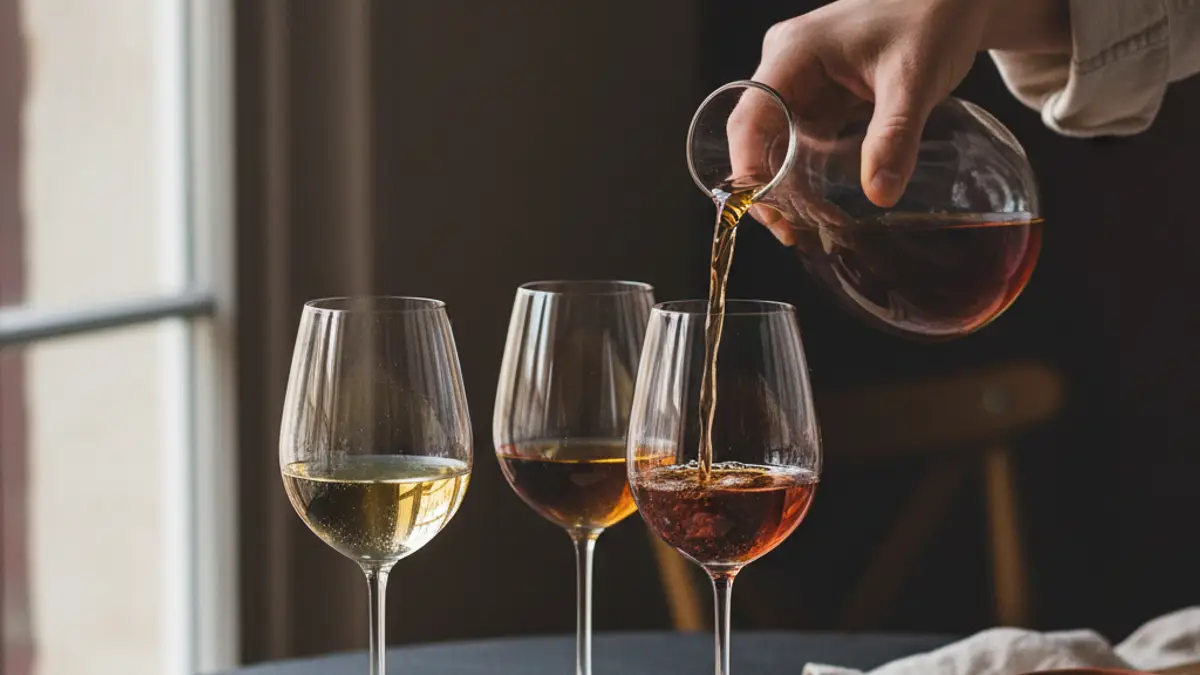
प्रमुख क्षेत्र और Signature Producers
riesling grape ठंडी से मध्यम जलवायु में अच्छी तरह फलता-फूलता है। Germany अब भी benchmark बना हुआ है—इसके प्रमुख क्षेत्रों में Mosel, Rheingau, Nahe और Pfalz शामिल हैं। Mosel slate-driven minerality वाली हल्की, floral Kabinett और Spätlese देता है; जानने लायक producers में Dr. Loosen, Joh. Jos. Prüm और Egon Müller शामिल हैं। Rheingau में Schloss Johannisberg और Robert Weil जैसे estates से अधिक structured और fuller-bodied Rieslings मिलती हैं। Nahe में Weingut Dönnhoff concentration और soil-driven nuance के लिए प्रसिद्ध है।
Alsace मुख्य रूप से richer mouthfeel और spice notes वाली dry riesling बनाता है; Trimbach और Zind-Humbrecht इसके standout houses हैं। Austria के Wachau और Kamptal में crystalline, अक्सर dry Rieslings बनती हैं, जिन पर Vinea-specific markers दिए जाते हैं; mineral precision देखने के लिए FX Pichler या Emmerich Knoll के examples आज़माएँ। Southern Hemisphere में Australia की Clare Valley और Eden Valley (Grosset, Pewsey Vale) lime, petrol nuances और bright acid पर जोर देती हैं, जबकि New Zealand और Washington State अधिक पके हुए, aromatic styles बनाते हैं।
हर region में आम तौर पर अलग pricing tiers होते हैं: entry-level German Riesling $12–20, premium Kabinett/Spätlese $25–80, और top vineyard sites तथा noble rot wines $80–300+। Trimbach या Zind-Humbrecht की Alsace Grand Cru Rieslings vintage के आधार पर अक्सर $30–90 की retail कीमत पर मिलती हैं। अलग-अलग regions में tasting करने से पता चलता है कि एक ही riesling grape variety कितनी अलग aromas, textures और aging trajectories दिखा सकती है।
Winemaking Choices और Style पर उनका असर
Winemakers fermentation, residual sugar, lees contact और oak के चुनावों से riesling की शैली को काफी बदलते हैं। Traditionalists aromatics और pure fruit को बचाए रखने के लिए stainless steel या बड़े neutral vessels पसंद करते हैं; इससे कई German dry riesling और Alsace bottlings जैसी lean, mineral-driven wines बनती हैं। कुछ producers अधिक round mouthfeel के लिए partial malolactic fermentation होने देते हैं, हालांकि अधिकांश high acidity बनाए रखने के लिए malolactic को रोकते हैं।
Residual sugar management बहुत महत्वपूर्ण है: कई German producers fermentation जल्दी रोक देते हैं, जिससे off-dry Kabinett या sweeter Spätlese बनती है। New World producers कभी-कभी wine को पूरी तरह dry ferment करते हैं और फिर lees stirring या थोड़ी मात्रा में neutral oak से texture को adjust करते हैं—कुछ Grosset cuvées इसके उदाहरण हैं, जिनमें tension के साथ हल्की secondary complexity मिलती है। Botrytized wines के लिए gentle pressings और low temperatures पर सावधानी से fermentation की जरूरत होती है; noble rot sugar और acid को concentrate करता है और Auslese तथा TBA जैसी intensely flavored sweet wines बनाता है।
Keller (Rheinhessen) और Dönnhoff जैसे producers terroir दिखाने के लिए minimal intervention पर जोर देते हैं, जबकि Trimbach जैसे houses weight के लिए extended lees contact के साथ wine को dry ferment कर सकते हैं। जब oak का इस्तेमाल flavor के बजाय texture के लिए किया जाता है, तब बड़े पुराने oak foudres में aging आम है। Collectors के लिए vintage और vinification notes महत्वपूर्ण होते हैं: ठंडे साल की Rieslings में acidity अधिक और aging potential बेहतर रहता है; गर्म vintages में अक्सर समृद्ध, जल्दी पीने योग्य styles बनती हैं।
Tasting Notes, Aromas और Serving Tips
riesling grape की सामान्य aromatic profile lime, green apple और lemon zest से लेकर white flowers, jasmine और petrol या kerosene note तक जाती है, जो अक्सर उम्र के साथ विकसित होता है। युवा dry rieslings में citrus, green pear और crunchy minerality दिखती है; off-dry से sweet examples में stone fruit, honey, apricot और marmalade के स्वाद आते हैं। Bottle age के साथ tertiary notes—petrol, beeswax और wet stone—उभरते हैं, खासकर high-acid German और Austrian Rieslings में।
Serving temperature महत्वपूर्ण है: dry और medium-dry Rieslings को chilled, लगभग 45–50°F (7–10°C) पर परोसें। Sweeter styles और aged bottles को थोड़ा गर्म—50–55°F—परोसा जा सकता है, ताकि aromatics खुल सकें। Aromatics को concentrate करने के लिए medium-sized white wine glasses इस्तेमाल करें; बहुत मीठी wines के लिए थोड़े छोटे dessert glasses nose को focus करने और palate पर sweetness को संतुलित करने में मदद करते हैं।
Tasting examples: 2020 Grosset Polish Hill Clare Valley (लगभग $40–$60) में crisp acidity के साथ lime और white flowers दिखते हैं। 2015 Egon Müller Scharzhofberger (collector levels अक्सर $300+) bottle में कई सालों के बाद गहरी petrol और honeyed complexity दिखाती है। Riesling को evaluate करते समय acidity level, residual sugar, aroma intensity और petrol notes को youth बनाम age के संकेतों के रूप में देखें। ये संकेत pairing और cellaring के फैसलों में मदद करते हैं।
Riesling Wine के लिए Food Pairing Strategies
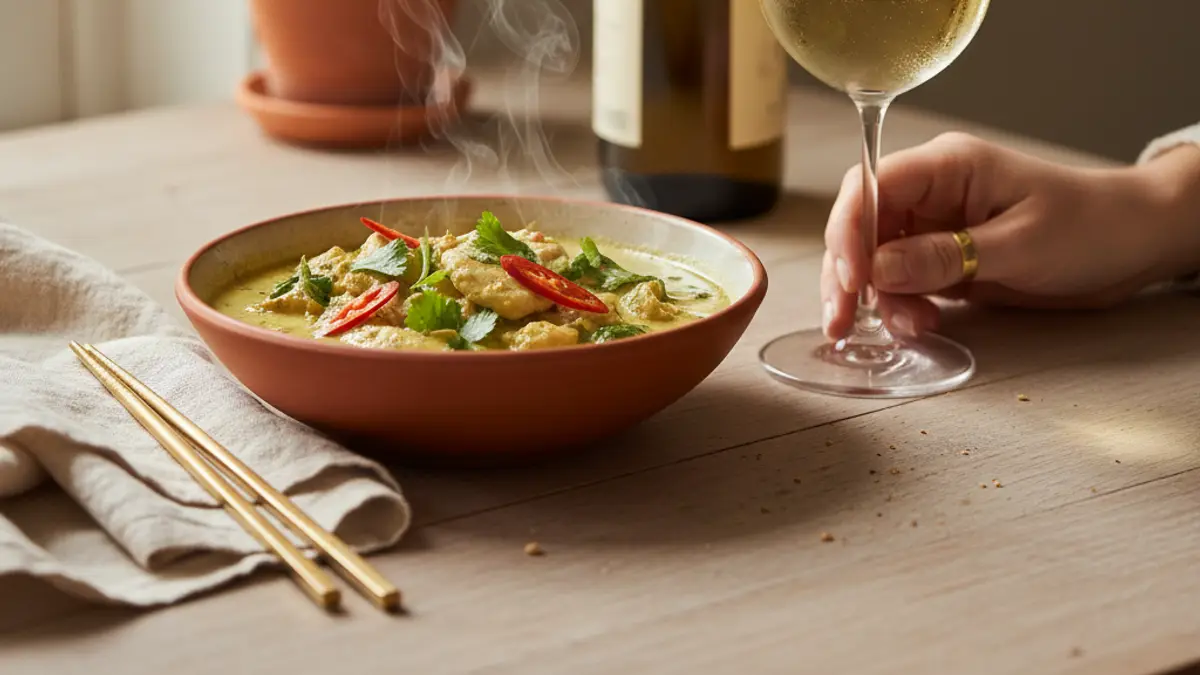
Riesling wine की high acidity और अलग-अलग sweetness levels इसे सबसे food-friendly white wines में से एक बनाती हैं। Dry rieslings हल्की fish dishes, sushi और herb-forward salads के साथ शानदार लगती हैं; off-dry styles spicy cuisines—Thai green curry, Szechuan dishes या Vietnamese lemongrass preparations—के साथ बेहतरीन होती हैं, क्योंकि sweetness तीखेपन को शांत करती है और acidity palate को साफ करती है। Sweet rieslings blue cheese, foie gras, fruit tarts और spicy glazed pork के साथ खूब अच्छी लगती हैं।
Pairing guidelines:
- Dry Riesling (Trocken): oysters, grilled trout, goat cheese।
- Off-dry (Kabinett/Spätlese): spicy Asian dishes, citrus के साथ halibut, roast pork।
- Late-harvest and Noble Rot: blue cheeses, crème brûlée, gingerbread desserts।
Real pairings: 2018 Trimbach Riesling के साथ Alsace ginger chicken; 2019 Dr. Loosen Kabinett के साथ shrimp pad thai; और Roquefort या apricot tart के साथ परोसी गई Dönnhoff Auslese। Restaurant में order करते समय, अगर उपलब्ध हो तो residual sugar notes के बारे में पूछें—dish और wine की sweetness का मेल meal को harmonious बनाता है। संदेह होने पर acidity levels का मिलान करें और riesling चुनने से पहले dish के spice और sweetness पर विचार करें।
खरीदना, Cellaring और Price Expectations
Riesling खरीदते समय पहले अपनी पसंदीदा style तय करें: crisp dry, off-dry या sweet। Price clues: रोज़मर्रा की German और Alsace Rieslings की कीमत $12–25 होती है; mid-tier Kabinett/Spätlese और premium single-vineyard bottles $25–90 तक होती हैं; collectible Auslese, BA और TBA $80 से शुरू होकर कई hundred dollars तक जा सकती हैं। Price के आधार पर देखने लायक producers: entry-level Dr. Loosen & Trimbach $15–30; Weingut Dönnhoff और Grosset $30–80; Egon Müller और top Trimbach cuvées $150+।
Cellaring advice: high-acid और balanced rieslings अच्छी तरह age होती हैं—dry Spätlese और उससे ऊपर की wines sugar और acidity के आधार पर 10–30 years तक विकसित हो सकती हैं। एक dry 2018 Rheingau Riesling 2–8 years के भीतर आनंददायक हो सकती है; cool vintage की sweet Auslese दशकों में complexity हासिल कर सकती है। इसे 50–55°F और ~70% humidity पर, light और vibration से दूर रखें। Label लगाएँ और bottles rotate करें: Riesling में petrol nuances अक्सर 5–10 years के बाद दिखाई देने लगती हैं; लंबे समय तक cellaring की योजना हो तो vintages track करें।
Buying tips: producer notes पढ़ें, producer की reputation और vineyard source जाँचें और संभव हो तो taste करें। Collectors को ऐसे reputable merchants से खरीदना चाहिए जो provenance की guarantee दे सकें। अगर आप तुरंत पीना चाहते हैं, तो गर्म vintage की dry wines या कम उम्र के Australian examples चुनें; अगर आपको tertiary complexity पसंद है, तो established sites की German Kabinett से TBA bottles में निवेश करें और उन्हें कई years तक रखें।
Where to buy
An answer box can tell you which wine to look for. It cannot tell you which shop near you stocks it. These listings carry addresses, published opening hours and a map — 3,172 venues across 60 cities.