
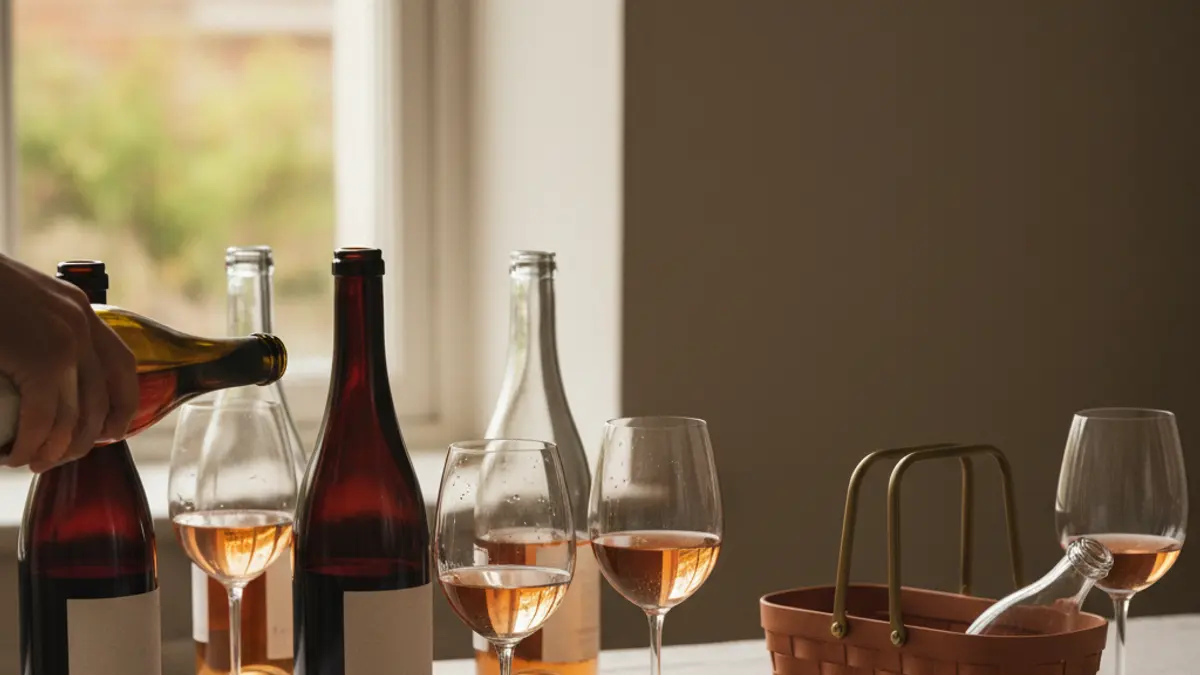
नॉन-अल्कोहलिक वाइन क्या है और इसे कैसे परिभाषित किया जाता है
नॉन-अल्कोहलिक वाइन आम तौर पर ऐसी fermented grape wine होती है जिसमें से ethanol को बहुत कम स्तर तक हटा दिया गया हो, या ऐसी wine-like beverage होती है जो traditional fermentation के बिना बनाई गई हो। Legal definitions अलग-अलग होती हैं: United States में 'non-alcoholic' का मतलब आम तौर पर 0.5% ABV से कम होता है; कई European देशों में threshold इसी तरह का है। Producers कभी-कभी bottles पर 'alcohol-free,' 'dealcoholized' या '0.0%' लिखते हैं, इसलिए back label पर ABV जरूर देखें।
Consumers को व्यावहारिक रूप से तीन categories मिलेंगी: ऐसी table wines जो पहले fermented हुईं और फिर dealcoholized की गईं; wine की नकल करने के लिए बनाई गई unfermented grape juices और blends; और ऐसी lightly fermented wines जिनमें fermentation जल्दी रोक दी गई। उदाहरण के लिए, Ariel Cabernet Sauvignon (dealcoholized) और Fre by Sutter Home fermented wines से बनाई जाती हैं जिनसे alcohol हटाया गया है, जबकि कुछ boutique brands aromatic freshness बनाए रखने के लिए musts तैयार करते हैं।
इन terms को समझने से realistic expectations तय करने में मदद मिलती है। 'zero alcohol wine' या '0.0% ABV' वाली bottle लगभग न के बराबर ethanol की गारंटी देती है, जबकि 'alcohol free wine' या 'dealcoholized wine' आम तौर पर 0.5% ABV से कम होती है। ज्यादातर drinkers के लिए यह थोड़ी मात्रा महसूस नहीं होती, लेकिन strict abstainers या trace alcohol से भी बचने वालों के लिए इस पर ध्यान देना जरूरी है।
Winemakers alcohol कैसे हटाते हैं: methods और effects
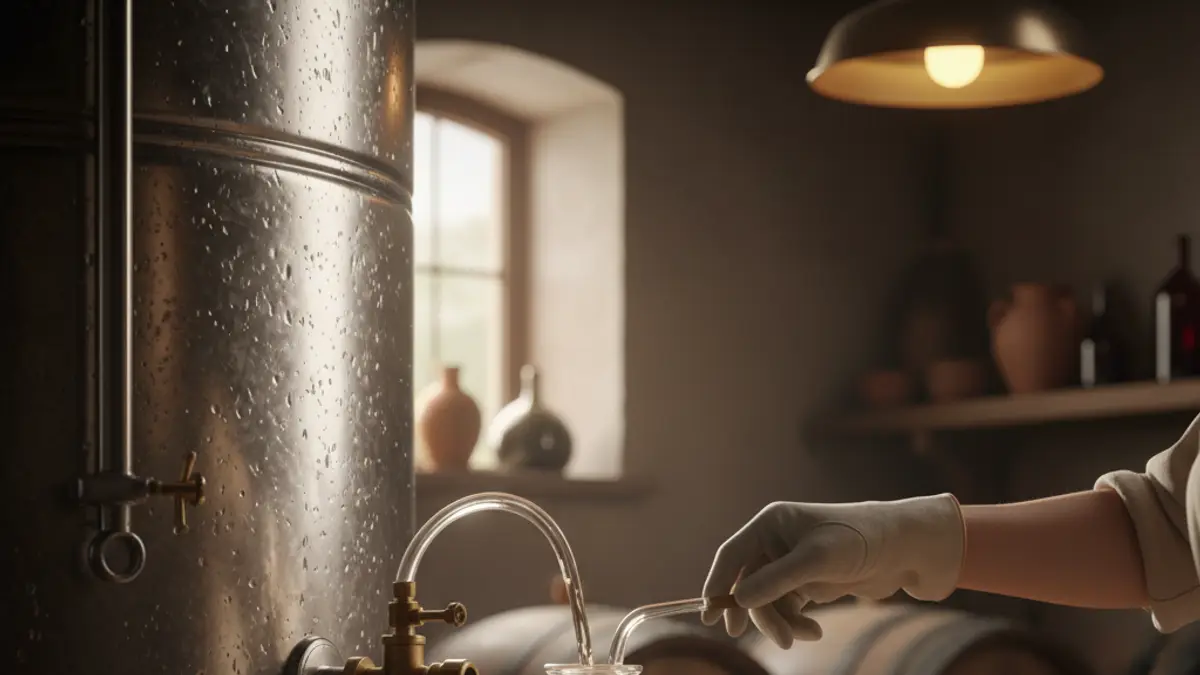
Producers finished wine से alcohol हटाने के लिए कई technical methods इस्तेमाल करते हैं और हर method aroma और texture को अलग तरह से बदलता है। सबसे आम techniques vacuum distillation, reverse osmosis और spinning cone column हैं। Vacuum distillation boiling points कम करके कम तापमान पर ethanol हटाती है, जिससे direct boiling की तुलना में volatile aromatics बेहतर बचे रहते हैं। Reverse osmosis wine को membranes से filter करके alcohol और water को flavor compounds से अलग करती है, फिर कम-alcohol blend को दोबारा मिलाया जाता है।
Spinning cone columns, जिनका large-scale operations में काफी इस्तेमाल होता है, low pressure और temperature में wine components को अलग-अलग fractions में बांटते हैं। इससे aromatic fractions को बचाते हुए alcohol को targeted तरीके से अलग किया जा सकता है। Torres की Natureo range (Spain) और Germany की Leitz Eins Zwei Null varietal character बनाए रखने के लिए modern techniques इस्तेमाल करती हैं—Torres का focus Garnacha और Verdejo aromatics पर है, जबकि Leitz Riesling की freshness पर ध्यान देता है।
कुछ trade-offs भी होते हैं: dealcoholizing से heat-labile esters और कुछ mouthfeel हट जाते हैं; producers texture के लिए grape must वापस blend करके, concentrated juice मिलाकर या oak staves का इस्तेमाल करके इसकी भरपाई करते हैं। Sweden के Oddbird जैसे छोटे producers personality बचाने के लिए minimal intervention और creative blending पर जोर देते हैं। Tasting के समय body थोड़ी हल्की, acidity ज्यादा lively और कभी-कभी ethanol के missing tactile weight को balance करने के लिए fruit या residual sugar ज्यादा महसूस हो सकती है।
किन styles और grape varieties पर ध्यान दें
नॉन-अल्कोहलिक वाइन में कई styles शामिल हैं: crisp whites, aromatic rosés, de-alcoholized reds और sparkling options। Varietal choice महत्वपूर्ण है, क्योंकि dealcoholization के बाद कुछ grapes aroma और structure को बेहतर बनाए रखते हैं। Riesling और Verdejo alcohol हटने के बाद भी lively और floral लगते हैं; Cabernet Sauvignon, Merlot और Tempranillo नॉन-अल्कोहलिक रेड वाइन के रूप में काम कर सकते हैं, लेकिन flabby tannins से बचने के लिए production पर सावधानी से ध्यान देना पड़ता है।
उदाहरण: Leitz Riesling-based zero-alcohol wine बनाता है जिसमें petrol और citrus notes बचे रहते हैं; Torres Natureo Spanish cuisine के लिए तैयार की गई Tempranillo 0.0% पेश करता है, जिसमें dried berry character है; Ariel California से dark fruit और restrained tannin वाली dealcoholized Cabernet देता है। Traditional method या carbonation से बनाई गई sparkling zero alcohol options में France की Pierre Chavin alcohol-free sparkling Brut और Germany की Carl Jung की non-alcoholic Cremant alternatives शामिल हैं।
Practical tips: vibrant whites और rosés के लिए aromatic varietals (Riesling, Muscat, Verdejo) चुनें; reds में lighter-bodied styles (Gamay, fresh Tempranillo) या ऐसे producers देखें जो tannin structure बचाते हैं। अगर आपको bone-dry wines पसंद हैं, तो residual sugar figures देखें—कई non alcoholic whites को reduced mouthfeel की भरपाई और acidity को balance करने के लिए थोड़ा ज्यादा RS के साथ finish किया जाता है।
अभी आजमाने लायक top producers और bottles
जब sommeliers सबसे अच्छी नॉन-अल्कोहलिक वाइन recommend करते हैं, तो कुछ producers का नाम लगातार सामने आता है। ऐसे brands देखें जो label पर method और ABV लिखते हों, और ऐसे retailers चुनें जो glass से sample लेने दें। उल्लेखनीय नामों में Spain से Torres (Natureo), Germany से Leitz (Eins Zwei Null), California का Ariel, Fre by Sutter Home, Sweden का Oddbird और France का Pierre Chavin शामिल हैं। Retail में prices $8–$30 per bottle तक होती हैं।
Recommended picks:
- Torres Natureo Muscat/Verdejo (Spain) — aromatic, $12–$16.
- Leitz Eins Zwei Null Riesling (Rheingau) — off-dry citrus, $13–$18.
- Ariel Cabernet Sauvignon (California, dealcoholized) — dark-fruited table red, $11–$14.
- Pierre Chavin Perle Zero Sparkling (France) — celebratory bubbles, $15–$22.
- Oddbird Sparkling (Sweden) — crisp, dry pét-nat style, $18–$24.
Rueda और McLaren Vale जैसे regions के छोटे boutique producers ने trial batches शुरू किए हैं; आने वाले vintages में established houses से ज्यादा terroir-driven zero alcohol wine मिलने की उम्मीद है। Value के लिए, Sutter Home की Fre range के supermarket labels casual meals और daytime drinking के लिए consistent और affordable options देती हैं।
नॉन-अल्कोहलिक wines की tasting, serving और storage
नॉन-अल्कोहलिक wine की tasting में regular wine जैसा ही ritual होता है, लेकिन expectations अलग रखनी चाहिए। Whites और sparkling को अच्छी तरह chilled—45–50°F (7–10°C); rosés को 50–55°F (10–13°C); और नॉन-अल्कोहलिक रेड वाइन को usual से थोड़ा ठंडा, 55–60°F (13–15°C) पर serve करें। इससे freshness बनी रहती है और thinness कम महसूस होती है। Aromas को concentrate करने के लिए proper stemware इस्तेमाल करें; sparkling के लिए mousse और aroma lift को बनाए रखने हेतु flutes या tulip shapes बेहतर हैं।
Assess करते समय alcohol की warmth के बजाय aroma intensity, acid balance और texture पर ध्यान दें। Whites में आम descriptors lifted citrus, green apple, stone fruit और floral top notes हैं; lighter reds में red cherry, raspberry और soft spice मिल सकते हैं। अगर bottle hollow या जरूरत से ज्यादा sweet लगे, तो संभव है कि dealcoholization के दौरान volatile aromatics खो गए हों या body की कमी छिपाने के लिए उसे sweetened किया गया हो।
Storage: unopened bottles को 50–55°F (10–13°C) के आसपास ठंडी, अंधेरी जगह रखें। खोलने के बाद alcohol-free bottles को wine की तरह ही संभालें—whites और rosés refrigerated रखने पर 3–5 days; resealer के साथ sparkling 1–3 days; और dealcoholized reds cool जगह पर cork के नीचे 3–4 days तक चलते हैं। Microbial stability अलग-अलग होने के कारण long-term cellaring से बचें—ये wines कई वर्षों तक aging के बजाय जल्द पीने के लिए बनाई जाती हैं।
Food pairing: alcohol नहीं, style और acidity match करें
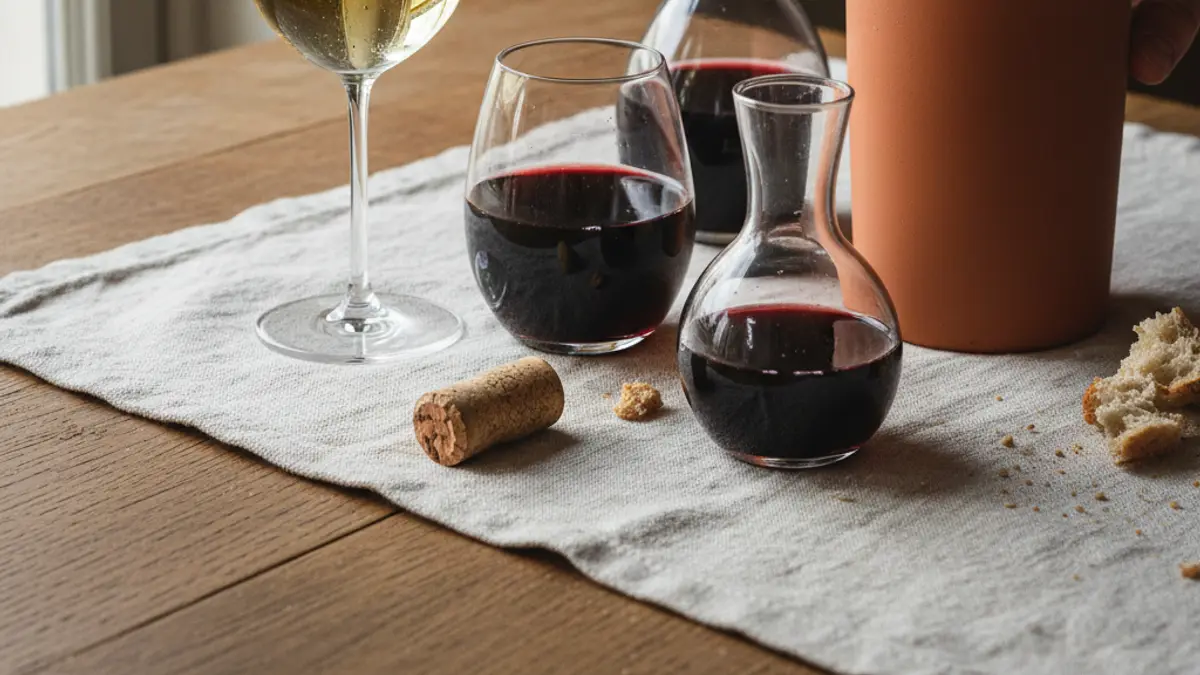
नॉन-अल्कोहलिक wine की pairing में alcohol level के बजाय acidity, aromatic intensity और sweetness balance पर जोर दिया जाता है। Bright, high-acid whites (Riesling, Verdejo) seafood, ceviche और spicy Asian dishes के साथ स्वाभाविक रूप से अच्छे लगते हैं, क्योंकि acidity fat को काटती है और umami को उभारती है। उदाहरण के लिए, Leitz 0.0% Riesling Thai green curry या lemon और herbs के साथ grilled trout के साथ अच्छी तरह match करता है।
नॉन-अल्कोहलिक रेड वाइन के साथ lighter proteins और umami-rich flavors चुनें: roast chicken, mushroom risotto, mild cheeses वाली charcuterie या tomato-based pasta। Torres Natureo Tempranillo grilled vegetables, tapas और chorizo-style dishes के साथ अच्छी लगती है। Sparkling zero alcohol wine palate cleanser के रूप में बेहतरीन है—इसे fried snacks, oysters या creamy desserts के साथ pair करें।
Rules of thumb:
- Intensity match करें—हल्के food के साथ light wine और hearty fare के साथ fuller non alcoholic reds।
- Fatty flavors को balance करने के लिए acidity इस्तेमाल करें—cream sauces के साथ crisp whites चुनें।
- Residual sugar पर ध्यान दें—थोड़ी off-dry whites spicy dishes को balance करती हैं।
Buying guide: labels, ABV, price expectations और retailers
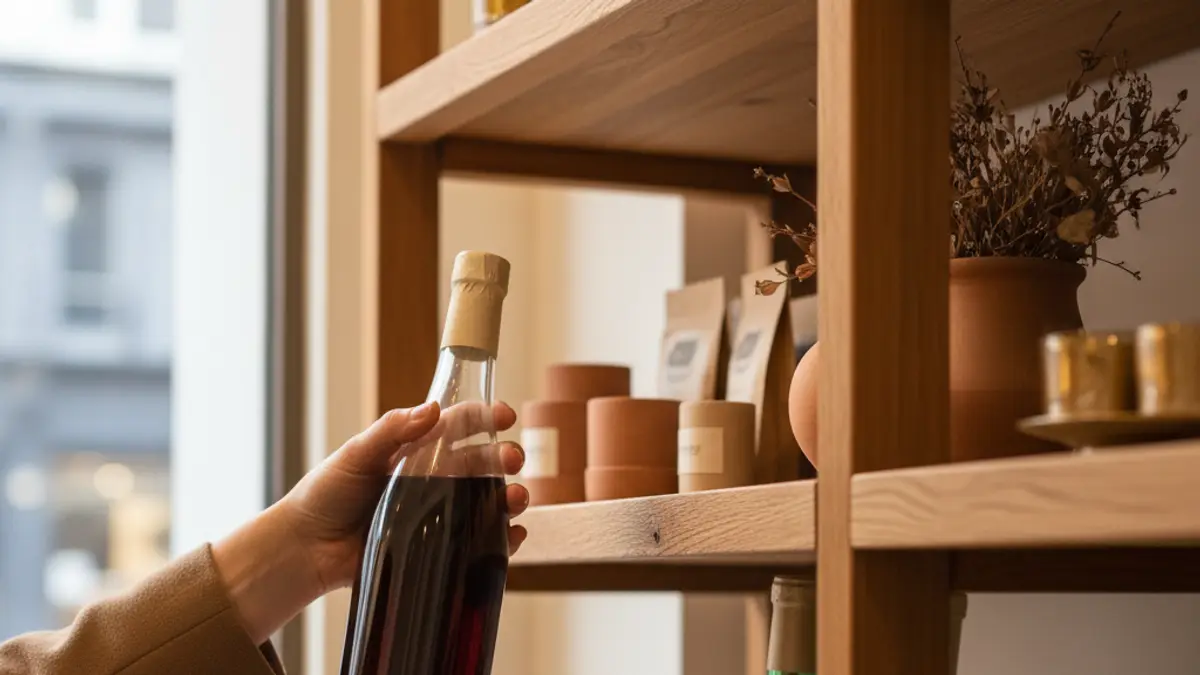
अल्कोहल-फ्री वाइन खरीदते समय labels ध्यान से पढ़ें। साफ तौर पर दिए गए ABV values—'0.0%,' '<0.5% ABV,' या 'dealcoholized'—और production notes देखें। जो producers removal method और lab test results बताते हैं, वे आम तौर पर ज्यादा transparency दिखाते हैं। अगर उपलब्ध हो, तो residual sugar (g/L) भी देखें; कई makers इसे buyers को dryness समझने में मदद के लिए list करते हैं। Fre या Ariel जैसे supermarket brands $8–$16 में मिलते हैं; Leitz, Torres और Oddbird जैसे specialty producers की retail price $12–$28 होती है।
खरीदने की सबसे अच्छी जगहें हैं अच्छी range वाली wine shops, जहां tasting bottles मिलें, और clear return policies वाले trusted online retailers। London, Stockholm और Berlin जैसे cities में specialized non-alcoholic shops और bars खरीदने से पहले sample करने का मौका देते हैं। Gifting के लिए sparkling zero alcohol wines (Pierre Chavin Perle) या boutique producers की elegantly packaged bottles चुनें।
Practical checklist:
- ABV और 'dealcoholized' wording confirm करें।
- Grape variety और region पर ध्यान दें—Riesling, Verdejo, Muscat aromatics अच्छी तरह बचाते हैं।
- Regular wine से price compare करें—कई अच्छी quality वाली non alcoholic wines $12–$25 band में आती हैं।
Health, legal और social considerations
नॉन-अल्कोहलिक wine उन लोगों के लिए alternatives देती है जो health, pregnancy, medication interactions या personal preference के कारण alcohol से बच रहे हैं। ज्यादातर dealcoholized wines में 0.5% ABV से कम trace ethanol होता है; '0.0%' label का मतलब है कि product में measurable alcohol नहीं पाया गया। अगर medical reasons से आपको किसी भी ethanol से बचना जरूरी है, तो packaging के lab results देखें या producers से सीधे संपर्क करें—Pierre Chavin जैसे brands अक्सर testing data उपलब्ध कराते हैं।
Legal तौर पर कुछ countries sale और labeling पर restrictions लगाते हैं; UK और EU में producers specified ABV limits के साथ 'de-alcoholised' या 'alcohol-free' terms इस्तेमाल कर सकते हैं। Socially, non alcoholic wine gatherings को ज्यादा inclusive बनाती है—hosts regular bottles के साथ pét-nat style zero alcohol wine भी serve कर सकते हैं, ताकि designated drivers या sober guests को भी adult tasting experience मिले। Mindful drinking के लिए calories और sugar पर ध्यान दें; dealcoholized wine में calories कम हो सकती हैं, लेकिन mouthfeel की भरपाई के लिए residual sugar कभी-कभी ज्यादा होती है, इसलिए जरूरत हो तो nutritional info देखें।
अंत में, expectations realistic रखें: ये wines ethanol की tactile warmth को पूरी तरह replicate नहीं करेंगी, लेकिन thoughtful production और pairing से genuine enjoyment मिल सकता है। आने वाले vintages में innovation बढ़ने की उम्मीद है, क्योंकि Napa, Rioja और Mosel में established houses alcohol-free ranges में investment बढ़ा रहे हैं।
Where to buy
An answer box can tell you which wine to look for. It cannot tell you which shop near you stocks it. These listings carry addresses, published opening hours and a map — 3,172 venues across 60 cities.