
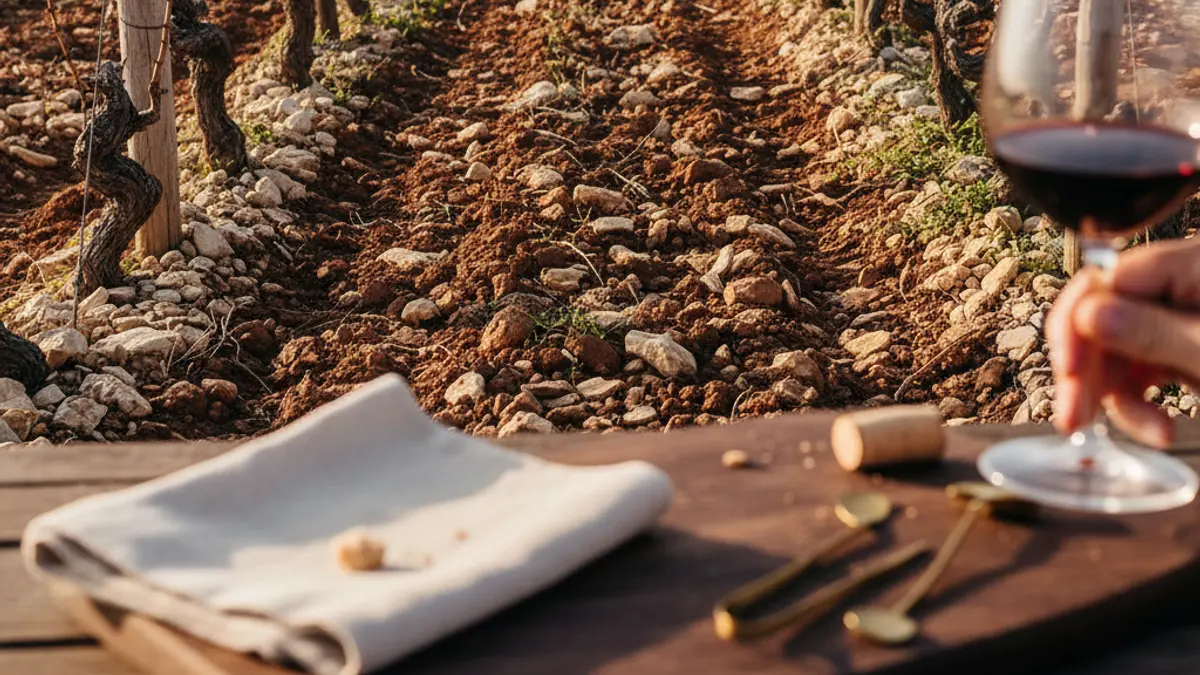
Terroir क्या है? Bottle में जगह को परिभाषित करना
Terroir वह French term है जिसका इस्तेमाल winemakers उन प्राकृतिक तत्वों की जटिल परस्पर क्रिया के लिए करते हैं, जो wine को अपनी जगह का एहसास देते हैं: मिट्टी, जलवायु, स्थलाकृति और स्थानीय परिस्थितियों के अनुरूप अपनाए गए तरीके। terroir को सरल शब्दों में परिभाषित करें तो यह पर्यावरण की वह पहचान है जो vine की growth और grape composition को प्रभावित करती है और फिर aroma, texture और structure में दिखाई देती है।
Burgundy (Côte de Nuits, Côte de Beaune), Chablis और Mosel जैसे regions इसके classic examples हैं, क्योंकि इनके villages और climats अलग और पहचानने योग्य styles देते हैं। उदाहरण के लिए, Domaine Louis Jadot की Corton-Charlemagne Premier Cru (white Burgundy, vintage के आधार पर अक्सर $70–250) में उसी producer की Meursault की तुलना में अलग mineral चमक और tension होती है।
Domaine de la Romanée-Conti जैसे producers terroir के दुर्लभता और प्रभाव के चरम को दिखाते हैं—इनके grand crus की कीमत हजारों dollars तक जाती है—जबकि Domaine Faiveley या Louis Jadot जैसे भरोसेमंद houses सुलभ price points पर terroir का असर दिखाते हैं। Terroir पहचानने का मतलब है समझना कि ये जगह से जुड़े कारक मिलकर कैसे काम करते हैं, ताकि आप केवल grape variety के आधार पर नहीं, बल्कि origin के आधार पर wines का अनुमान, tasting और comparison कर सकें।
मिट्टी और wine: धरती स्वाद को कैसे आकार देती है
मिट्टी और wine का संबंध बहुत अहम है: अलग-अलग मिट्टियाँ पानी की उपलब्धता, जड़ों की गहराई, heat retention और mineral uptake को प्रभावित करती हैं। आम soil types में limestone (Burgundy, Chablis), schist और slate (Mosel rieslings, Priorat grenache), clay (Bordeaux के clay pockets) और volcanic soils (Etna और Santorini) शामिल हैं। हर प्रकार finished wine में अलग textural और aromatic संकेत देता है।
उदाहरण के लिए, Chablis की Kimmeridgian limestone, Chardonnay को कसी हुई acidity और flinty mineral note देती है; Domaine William Fèvre Chablis Premier Cru (लगभग $30–60) में यह steely character दिखाई देता है। Dr. Loosen या Egon Müller जैसे producers की Mosel Rieslings slate से मिलने वाली minerality और unmistakable smoky edge दिखाती हैं—Egon Müller की bottles, खासकर Scharzhofberger, vintage के आधार पर अक्सर $150–400 में बिकती हैं।
मिट्टी की गहराई और drainage भी मायने रखते हैं। उथली, पथरीली मिट्टियाँ vines को गहराई तक जड़ें फैलाने और flavors को concentrate करने पर मजबूर करती हैं; गहरी, उपजाऊ मिट्टियाँ अधिक generous लेकिन कम concentrated wines देती हैं। California के Santa Cruz Mountains में Ridge Vineyards जैसे winemakers जानबूझकर rocky, well-drained sites चुनते हैं, क्योंकि इनसे tighter tannins और लंबे aging की क्षमता मिलती है (Ridge Monte Bello आमतौर पर $75–200)।
Climate और microclimate: गर्मी, vintage और style
Climate आधार तैयार करती है: cool-climate vintage से अधिक acidity और हल्का body मिलता है; warm vintage अधिक ripeness, fuller body और higher alcohol देता है। व्यापक climate के भीतर microclimates—सुरक्षित slopes, fog exposure, altitude—एक ही appellation के अंदर भी महत्वपूर्ण variation पैदा करते हैं। इन परतों को समझने से what is terroir यानी terroir क्या है, इस आम सवाल का जवाब केवल मिट्टी से आगे जाकर मिलता है।
Bordeaux और Napa की तुलना करें: Bordeaux की maritime climate गर्मी को संतुलित करती है, जिससे Cabernet और Merlot में लंबा hang-time और structure आता है; Pauillac की Château Pontet-Canet जैसी legends (अक्सर $60–150) ठंडे vintages में firm tannins और cedar दिखाती हैं। Napa Valley के गर्म, धूप वाले pockets—Rutherford, Oakville—Ridge (Napa bottlings) या Silver Oak जैसे producers से riper, fruit-forward Cabernet देते हैं (Napa Cabernet $80–150)।
Microclimates vintage variation को भी समझाती हैं। Bordeaux में 2010 ठंडा और structured था; Napa में 2015 ripeness और balance के लिए प्रसिद्ध है। Producers अक्सर microclimate के संकेतों—temperature, diurnal shift, fog—के आधार पर canopy management और harvest date तय करते हैं, ताकि हर साल grape की expression स्थिर रहे और फिर भी जगह का असर दिखाई दे।
Topography और exposure: slope, aspect और altitude
Topography sun exposure, drainage और frost risk को प्रभावित करती है—ये ripeness और phenolic development के अहम कारक हैं। Northern Hemisphere में south- या southwest-facing slopes को अधिक धूप मिलती है और वहाँ आमतौर पर riper fruit पैदा होता है। Altitude temperature को नियंत्रित करती है: Argentina के Salta या Italy के Alto Adige जैसे high-elevation vineyards तेज धूप के बावजूद acidity और aromatic lift बनाए रखते हैं।
Burgundy का Côte d'Or इसका आदर्श उदाहरण है: कुछ खास aspects वाली संकरी, steep slopes अलग-अलग climats, जैसे La Tâche या Clos de Vougeot, बनाती हैं। Domaine Dujac और Domaine Armand Rousseau जैसे producers slope के सूक्ष्म अंतर का लाभ उठाने के लिए जाने जाते हैं; Morey-Saint-Denis की bottles की कीमत cru और vintage के आधार पर $60–300 हो सकती है। Mosel में लगभग vertical terraces vines को river से लौटने वाली heat में bask करने देती हैं, जिससे अक्सर modest price points पर intensely aromatic Rieslings मिलती हैं।
Topography machinery के इस्तेमाल और vine density को भी तय करती है। Steep slopes पर अक्सर manual labor की ज़रूरत होती है, जिससे लागत बढ़ती है, लेकिन कम yields और बेहतर cluster selection भी संभव होती है। Priorat में steep hillsides की terraced, llicorella (slate) soils concentrated, mineral-driven Garnacha और Cariñena wines देती हैं—Alvaro Palacios जैसे producers (L'Ermita बेहद दुर्लभ और महंगी है) दिखाते हैं कि slope concentration और terroir expression, दोनों को कैसे बढ़ाती है।
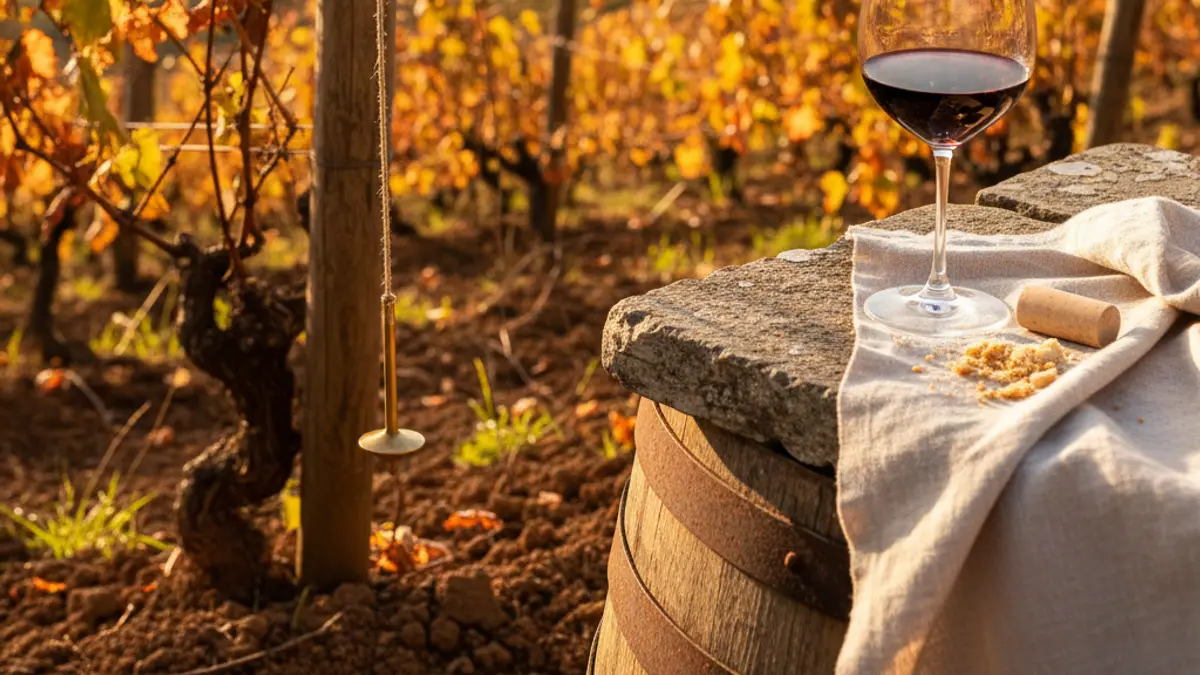
मानवीय प्रभाव: tradition, clones, rootstocks और practice
Terroir केवल प्राकृतिक नहीं होता; human choices—vine training, clones, rootstocks, pruning, yield control और harvest timing—potential को consistent expression में बदलते हैं। एक ही vineyard को अलग तरीके से manage करने पर अलग wine मिलेगी। इसलिए terroir में जगह के साथ मानवीय संबंध भी शामिल है, जो अक्सर स्थानीय laws और traditions में दर्ज होता है (France में AOC rules, Italy में DOC, Spain में DO)।
उदाहरण: Pauillac में Château Pontet-Canet ने biodynamic farming अपनाई है और yields कम की हैं, जिससे स्पष्टता और ageworthiness वाली Cabernet-based wines बनती हैं ($60–150)। Bandol में Domaine Tempier का low yields और old-vine Mourvèdre पर ज़ोर savory, structured reds देता है ($35–80)। Clone selection भी मायने रखता है: Pinot Noir के Dijon clones, Pommard clones से अलग व्यवहार करते हैं और color, tannin व aromatic profile को प्रभावित करते हैं।
विशिष्ट rootstocks पर grafting phylloxera susceptibility को संबोधित करती है और vines को soil moisture के अनुरूप ढालती है: sandy soils में कुछ rootstocks बेहतर होते हैं, जबकि clay में दूसरे। Human practice में cellar technique भी शामिल है—whole-cluster fermentation, oak regime, malolactic timing—जो terroir को उभार सकती है या stylistic signature की एक और परत जोड़ सकती है। Minimal intervention अपनाने वाले producers (जैसे Château Pontet-Canet, Ridge, Domaine Tempier) की wines खरीदने पर अक्सर terroir के संकेत अधिक स्पष्ट मिलते हैं।
Terroir की tasting: sensory clues और examples
Tasting में terroir पहचानने के लिए लगातार दिखने वाले sensory clues पर ध्यान दें: mineral या saline notes (अक्सर limestone या slate से), herbal या garrigue aromas (Mediterranean soils), earthy leather और cedar (aged Rioja), और acidity, tannin grain व phenolic ripeness जैसे textural cues। ये संकेत आपको जगह और winemaking के प्रभाव में फर्क करने में मदद करते हैं।
व्यावहारिक examples: Chablis Premier Cru (Domaine William Fèvre, $30–60) में आमतौर पर green apple, high acidity और chalky minerality होती है। Bodegas La Rioja Alta की Rioja Gran Reserva (904 या 890, vintage के आधार पर लगभग $30–60) लंबे oak ageing और continental climate से dried cherry, cedar और leather दिखाती है। Napa Cabernet—Ridge या Silver Oak—2013 या 2015 जैसे warm vintage से होने पर blackcurrant, chocolate और ripe tannins पेश करेगी।
Blind tasting में fruit ripeness को soil influence से अलग करें। खुद से पूछें: क्या wine में high-toned citrus या orange peel (cool climate) है, या jammy black fruit (warm climate)? क्या smoky, flinty character (slate) है, या chalky, saline grip (limestone)? अभ्यास और region-targeted tasting के साथ—जैसे Vosne-Romanée और Gevrey-Chambertin की तुलना करके—terroir पहचानना अनुमान नहीं, बल्कि भरोसेमंद skill बन जाता है।
Terroir और appellation systems: labels पढ़ना
Appellation systems (AOC, DOC/DOCG, DO, AVA) terroir को codify और protect करने की कोशिश हैं। ये अनुमत grape varieties, yield limits और कभी-कभी vineyard boundaries भी तय करते हैं। इन systems को समझने से buyers यह परख सकते हैं कि label का जगह से संबंध कितना मजबूत है। उदाहरण के लिए, Burgundy की appellation hierarchy (village, Premier Cru, Grand Cru) terroir के अंतर से सीधे जुड़ी है।
Examples: Gevrey-Chambertin label वाली bottle Côte de Nuits village character का संकेत देती है; Rioja DOCa आपको continental climate और oak tradition के बारे में बताती है। U.S. में Rutherford जैसी AVA एक पहचाने जाने योग्य profile का संकेत देती है—Rutherford dust को अक्सर mid-weight tannic Cabernet के लिए उद्धृत किया जाता है। Château Margaux (Bordeaux, classified growths के लिए अक्सर $300–1000) और Ridge (California) जैसे producers origin और expected style बताने के लिए appellation cues का इस्तेमाल करते हैं।
Large wineries जब अलग-अलग जगहों से ली गई fruit को blend करती हैं, तो labels terroir को छिपा भी सकती हैं। अधिक स्पष्ट terroir expression के लिए single-vineyard या single-estate bottlings देखें (जैसे Gaja की single-vineyard Barolo या single-block Napa Cabs)। जिन regions की wines आपको पसंद हैं, वहाँ के appellation rules सीखने से—Burgundy के climats, Rioja में Rioja Alta और Alavesa का अंतर, या Italy के cru-based labels—terroir-driven wines चुनने की आपकी क्षमता बेहतर होती है।
Terroir-driven wines की tasting, खरीद और cellar करना
Terroir को पूरी तरह अनुभव करने के लिए tasting और buying को सोच-समझकर करें। एक ही grape की wines कई regions से taste करें—Chablis, Napa और Margaret River की Chardonnay, या Rioja और Ribera del Duero की Tempranillo—ताकि variety से जगह के प्रभाव को अलग किया जा सके। अधिक स्पष्ट संकेतों के लिए single-vineyard bottlings खरीदें और पास-पास के plots के अलग producers की तुलना करें।
Cellaring मायने रखती है: कुछ terroir expressions उम्र के साथ खुलती हैं। Barolo की Nebbiolo को अक्सर 8–20 years का लाभ मिलता है; fine Bordeaux (Pauillac, Margaux) को steady 55°F और 60–70% humidity पर रखने पर 10–30 years का लाभ मिल सकता है। खरीदने के व्यावहारिक examples: 2016 Ridge Monte Bello (Napa/Santa Cruz Mountains) अक्सर $100–250 में retail होती है और medium-term aging का अच्छा लाभ देती है; La Rioja Alta की 2010 Rioja Gran Reserva (लगभग $40–70) आमतौर पर अभी पीने लायक है, लेकिन अगले decade तक tertiary notes विकसित करेगी।
खरीदते समय उन producers को देखें जो site expression के लिए जाने जाते हैं—Domaine Tempier (Bandol), Bodegas La Rioja Alta, Ridge Vineyards, Château Pontet-Canet—और ऐसी tasting notes इस्तेमाल करें जिनमें केवल oak या fruit नहीं, बल्कि जगह का भी उल्लेख हो। Wines को सही तरह store करें और vintages को दोबारा taste करें; primary fruit कम होने और mineral, savory व structural elements के उभरने पर terroir अक्सर अधिक स्पष्ट दिखाई देता है।