
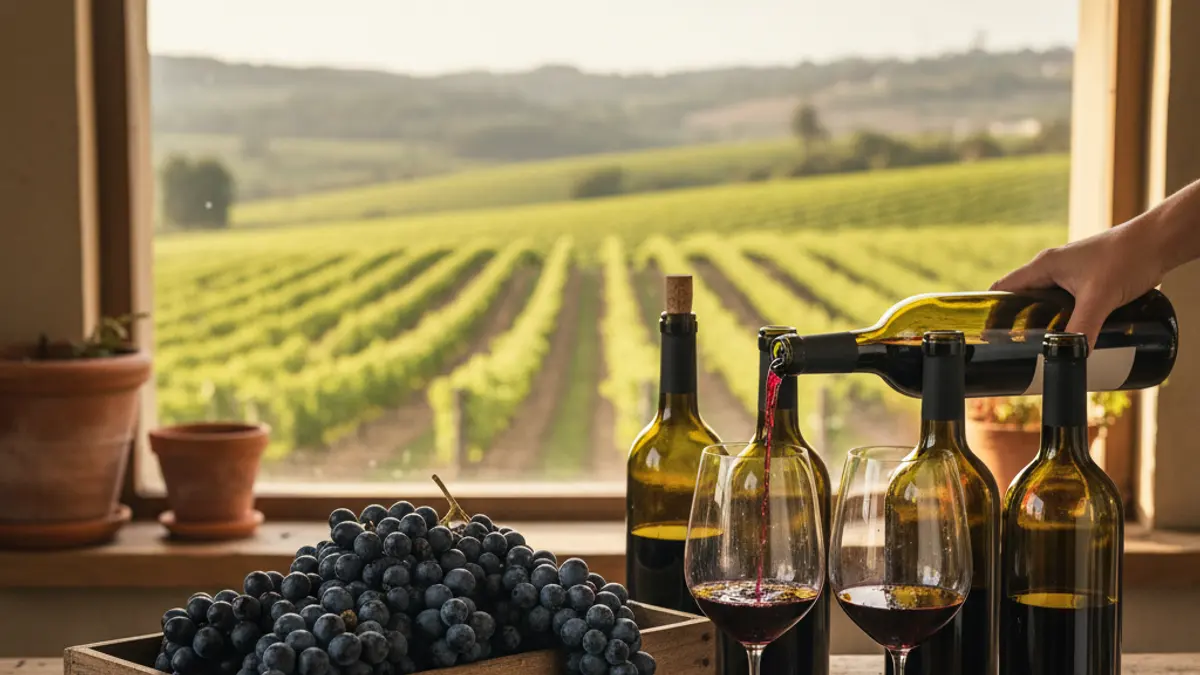
Shiraz/Syrah अंगूर का इतिहास और उत्पत्ति
आज जिसे आम तौर पर shiraz कहा जाता है, उसकी प्राचीन जड़ें Rhône Valley में हैं, जहां इसे Syrah के नाम से जाना जाता है। 20वीं सदी के आखिरी वर्षों में हुए genetic studies ने पुष्टि की कि Syrah दो कम-ज्ञात French varieties, Dureza और Mondeuse Blanche, के cross से उत्पन्न हुआ। इसका औपचारिक जन्मस्थान northern Rhône के Hermitage और Côte-Rôtie जैसे vineyards को माना जाता है।
Rhône से यह Europe और New World तक फैला। Australia में 19वीं सदी में शुरू हुई महत्वपूर्ण plantings ने Barossa Valley और McLaren Vale में अच्छी तरह जगह बनाई, जहां shiraz नाम चलन में रह गया। 20वीं सदी तक एक अलग Australian style उभर चुकी थी: गहरे फल, ज़्यादा alcohol और मुलायम, भरपूर tannins। इसे Penfolds (Bin 28, Grange) और Henschke (Hill of Grace) जैसे producers ने लोकप्रिय बनाया।
इस बीच Northern Rhône के producers—E. Guigal (Côte-Rôtie La Landonne), Jean-Louis Chave (Hermitage) और Chapoutier—ने अधिक savory, peppery Syrah profile कायम रखा। California में Alban Vineyards और Qupe जैसे winemakers ने cool-climate expressions के लिए Burgundian techniques को Syrah के साथ अपनाया। इस विकासक्रम को समझने से पता चलता है कि shiraz vs syrah का फर्क अक्सर genetics से कम और place, style तथा winemaking choices से ज़्यादा जुड़ा है।
अंगूर की विशेषताएं और vineyard practice
shiraz grape से छोटे, मोटे छिलके वाले berries मिलते हैं, जो गहरा रंग, concentrated phenolics और मजबूत tannins देते हैं। Clonal selection, canopy management और yield control स्वाद पर बहुत असर डालते हैं: Barossa या Hermitage में कम yields और old vines concentration और complexity बढ़ाते हैं, जबकि ज़्यादा yields से हल्की और जल्दी पी जाने वाली wines बनती हैं।
Style तय करने वाले viticultural factors में शामिल हैं:
- Climate: गर्म Barossa से jammy, high-alcohol shiraz बनती है; cool-climate Adelaide Hills, Southern Rhône और Central Coast Syrah में pepper, lavender और savory notes मिलते हैं।
- Soil: Côte-Rôtie की granite और schist मिट्टी mineral, iron-edged Syrahs देती है; Barossa की clay और red-brown loams density और plushness बढ़ाती हैं।
- Vine age: Henschke और Penfolds के sites की old vines अक्सर layered tannins और लंबी उम्र वाली wines देती हैं।
Vineyard के व्यावहारिक examples: McLaren Vale में d'Arenberg अपनी Dead Arm Shiraz (लगभग $30–$50) के लिए head-trained old vines का संतुलित इस्तेमाल करता है, जबकि northern Rhône में steep schist पर स्थित Guigal के Côte-Rôtie parcels अधिक structured, ageworthy wines देते हैं (La Landonne अक्सर $300–$600)।
Growers fermentation से जुड़े फैसले भी लेते हैं—whole-cluster inclusion, cold soak और extended maceration—ताकि spice, floral perfume या ripe fruit को उभारा जा सके। ये choices, terroir के साथ मिलकर, यही वजह हैं कि एक ही grape दुनिया भर में इतनी अलग-अलग wines बना सकता है।
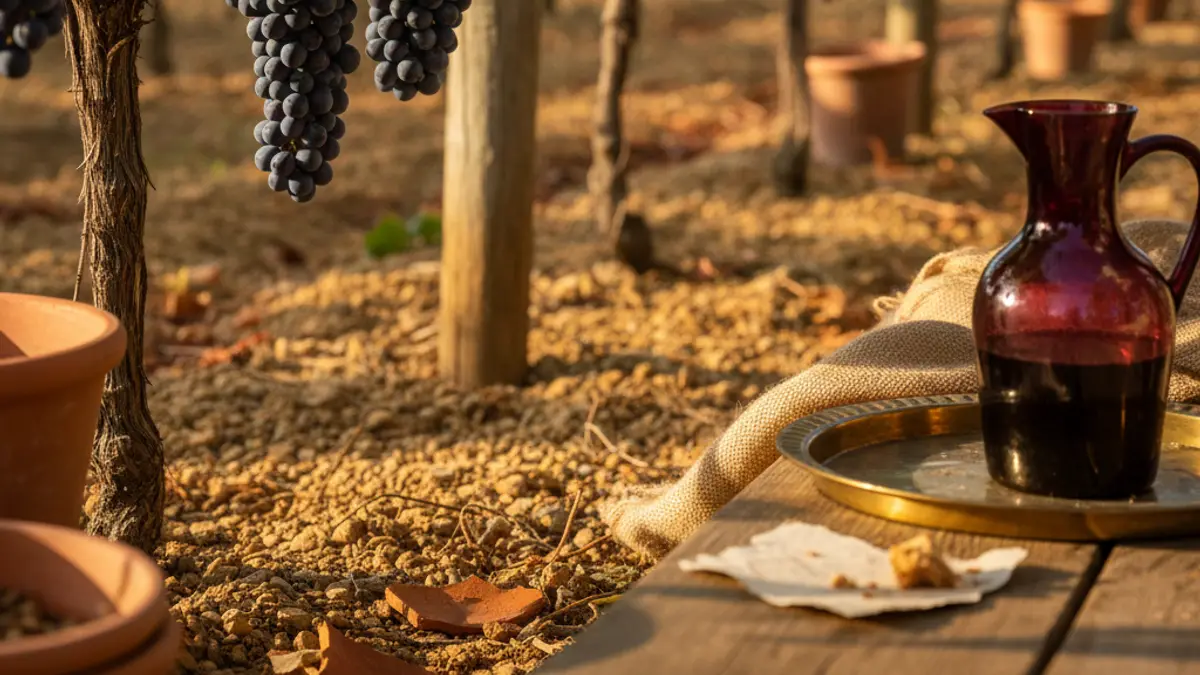
Regional styles: Australia (Barossa, McLaren Vale, Hunter)
Australia का नाम shiraz wine के साथ जुड़ा है, फिर भी regional variation काफी व्यापक है। Barossa Valley से वह classic dense, blackberry-rich, oak-aged shiraz मिलती है जो Penfolds Grange (auction और cellar-tier pricing, अक्सर vintage के अनुसार $600–$1,200) जैसे staples और Torbreck तथा d'Arenberg (Dead Arm Shiraz, ~$30–$50) जैसे producers से जुड़ी है। इन wines में dark fruit, chocolate और warm spice मिलते हैं।
McLaren Vale से savory underpinnings वाली कुछ अधिक sweet-fruited styles बनती हैं; d'Arenberg और Yangarra उल्लेखनीय names हैं। इसके विपरीत, Hunter Valley की पहचान old-vine, leaner, peppery shiraz से है—Henschke और Brokenwood restraint और floral lift दिखाते हैं। Henschke की Hill of Grace (iconic Shiraz, अक्सर $800+) old-vine, terroir-driven extreme का उदाहरण है।
Australian winemaking में आम तौर पर higher alcohol और generous extraction पर जोर रहता है; हालांकि modern producers अब elegance पर भी ज़्यादा ध्यान दे रहे हैं: cooler vineyard sites, whole-cluster fermentation और power को balance करने के लिए older oak। Price ranges इन choices को दिखाती हैं—reliable labels की everyday Barossa shiraz लगभग $15–$30 से शुरू होती है, quality single-vineyard या named cuvées $40–$200 की होती हैं, और collectible icons auction में five figures तक पहुंच सकती हैं।
खरीदते समय style को अपने उद्देश्य से मिलाएं: grilled meats के लिए bold Barossa shiraz, और roast lamb या aged cheeses के लिए restrained Hunter Valley bottling।
Regional styles: Northern Rhône, California और अन्य क्षेत्र
Northern Rhône में Syrah savory, peppery और floral characteristics दिखाती है। Côte-Rôtie, Hermitage और Cornas जैसे appellations black olive, smoked meat, black pepper और violet notes वाली wines बनाते हैं। E. Guigal (La Landonne, La Mouline) और Jean-Louis Chave जैसे producers ऐसी versions बनाते हैं जो दशकों तक age हो सकती हैं; single-vineyard Hermitage की कीमत vintage और bottling के अनुसार $150–$400 तक हो सकती है।
California की interpretation विविध है: Paso Robles, Sta. Rita Hills और Edna Valley के coastal cool sites peppery, fruit-focused Syrah बनाते हैं। Alban Vineyards और Qupe जैसे winemakers ने 1980s और 1990s में cool-climate Syrah को फिर लोकप्रिय बनाने में अहम भूमिका निभाई; उनकी single-vineyard bottles अक्सर $30–$80 के बीच होती हैं। Central Coast और Sonoma में producers density को freshness के साथ balance करने के लिए अलग-अलग oak regimes इस्तेमाल करते हैं।
देखने लायक अन्य regions: Chile और South Africa savory black fruit वाली value-forward Syrah देते हैं; Washington State अच्छी acidity और aging potential वाली structured Syrah पर ध्यान देता है। Global examples में Argentina की Rhône-style Syrah और Italy के surprising Syrah plots शामिल हैं—drink-now bottles के लिए ये $12–$30 और अधिक distinctive terroir wines के लिए $30–$100 के विकल्प देते हैं।
Regional signatures—fruit-forward Australia, savory Rhône और stylistically elastic California—समझने से shoppers bottles को meals और cellaring plans के साथ बेहतर match कर पाते हैं।
Winemaking choices और उनका style पर असर
Winemaking choices एक ही grape से अलग-अलग expressions बनाती हैं। shiraz wine और syrah wine के लिए प्रमुख variables में fermentation temperature, maceration length, oak regimen और whole-cluster stems का इस्तेमाल शामिल है। Cold fermentation fresh, primary fruit को बचाए रखती है, जबकि warm ferment और extended maceration गहरे tannins और रंग को extract करते हैं।
Oak का इस्तेमाल texture और spice को आकार देता है। New French या American oak कई Barossa shirazes में vanilla, cedar और baking spices जोड़ता है; older oak या neutral barrels fruit और terroir को प्रमुखता देते हैं। Penfolds जैसे producers tannin और aging को manage करने के लिए new oak को older barrels के साथ balance करते हैं, जबकि Chapoutier Rhône की typicity बनाए रखने के लिए कभी-कभी concrete और old wood इस्तेमाल करता है।
Whole-cluster fermentation spice और lift जोड़ती है—Côte-Rôtie के winemakers peppery lift के लिए stems शामिल कर सकते हैं; Australian winemakers plushness के लिए अक्सर de-stem करते हैं। Carbonic maceration कम ही होती है, लेकिन lighter, fruit-forward releases के लिए इस्तेमाल की जाती है। Côte-Rôtie में Viognier के साथ co-fermentation (सदियों पुरानी practice) aromatics बढ़ाती है और color को stabilize करती है।
व्यावहारिक examples: d'Arenberg’s Dead Arm structure के लिए pronounced extraction इस्तेमाल करती है और इसकी कीमत $30–$50 है; Alban की cooler fermentation savory, floral notes पर जोर देती है ($35–$65)। Buyers के लिए: stems, oak age और fermentation के बारे में producer notes देखें, ताकि wine की texture, spice और aging या तुरंत पीने की suitability का अंदाज़ा लगाया जा सके।
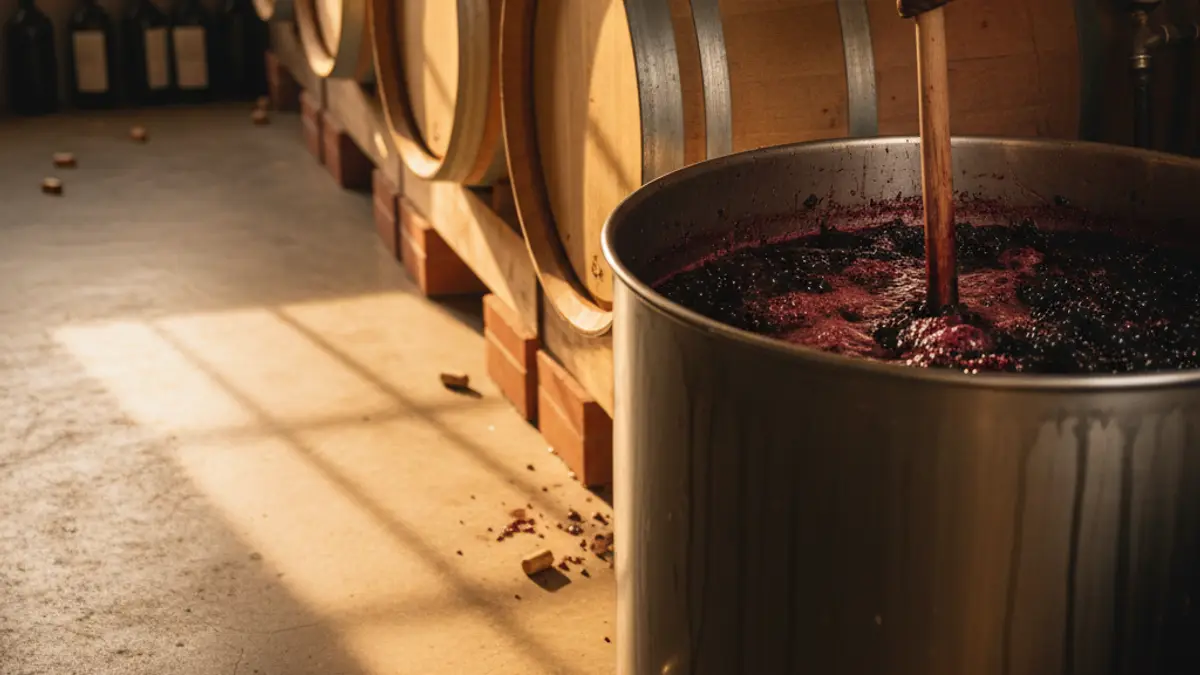
Tasting notes, maturity और cellaring
Typical tasting signatures style के अनुसार बदलते हैं। Australian shiraz wine में अक्सर blackberry, blueberry, chocolate, licorice और sweet oak दिखते हैं। Northern Rhône syrah में black pepper, smoked meat, olive tapenade, iron और violet की प्रवृत्ति होती है। California examples इन दोनों के बीच हो सकते हैं, जिनमें black pepper और cedar के साथ dark fruit मिलता है।
Ageability concentration, tannin, acidity और oak पर निर्भर करती है। Henschke, Penfolds, Guigal और Jean-Louis Chave की high-quality single-vineyard bottles सही तरह store करने पर 15–40 years तक age हो सकती हैं—~55°F (13°C) और 60–70% humidity पर। Barossa या McLaren Vale की mid-priced, well-made shirazes आम तौर पर 7–15 years तक टिकती हैं। Lighter, cooler-climate Syrahs अक्सर 3–10 years के भीतर सबसे अच्छी होती हैं।
Readiness के व्यावहारिक tasting cues:
- Younger power-driven wines: intense primary fruit और firm tannins—कम-से-कम 5 years की cellaring के लिए अच्छी candidates।
- Mature savory wines: leather, truffle और tar जैसे floral, tertiary notes 10–20+ years के development का संकेत देते हैं।
Examples: 2010 Guigal La Landonne में अपनी दूसरी decade तक tertiary notes आने की संभावना है; 2018 d'Arenberg Dead Arm पहली decade में youthful रहेगी। Slow, even development के लिए temperature लगातार बनाए रखें और vibration से बचाएं।
Food pairing और serving tips
Shiraz और Syrah अपने fruit और tannic structure के कारण food-friendly हैं। Bold Australian shirazes grilled, fatty meats के साथ अच्छी लगती हैं: barbecued short ribs, charred ribeye और spiced lamb। Pepper और acidity वाली cool-climate Syrah braised game, herbs वाले roast pork और mushroom dishes के साथ अच्छी रहती है।
Pairing rules और examples:
- High-tannin, fruit-driven Shiraz (Barossa): beef short ribs, smoked brisket या aged cheddar के साथ लें।
- Savory Rhône Syrah: lamb navarin, roast duck या olive tapenade और herbs वाली dishes के साथ match करें।
- Spiced या peppery Syrah (California): Indian lamb rogan josh या steak पर peppercorn sauce।
Serving tips: robust Shiraz को 60–90 minutes decant करें, ताकि fruit खुल सके और tannins नरम हों; lighter Syrah को अक्सर 20–30 minutes की air से फायदा होता है। बड़े bowl वाले red wine glasses में 60–65°F (15–18°C) पर serve करें। Sediment वाली पुरानी bottles—Hermitage या Penfolds icons—को एक दिन सीधा खड़ा रखें और सावधानी से decant करें।
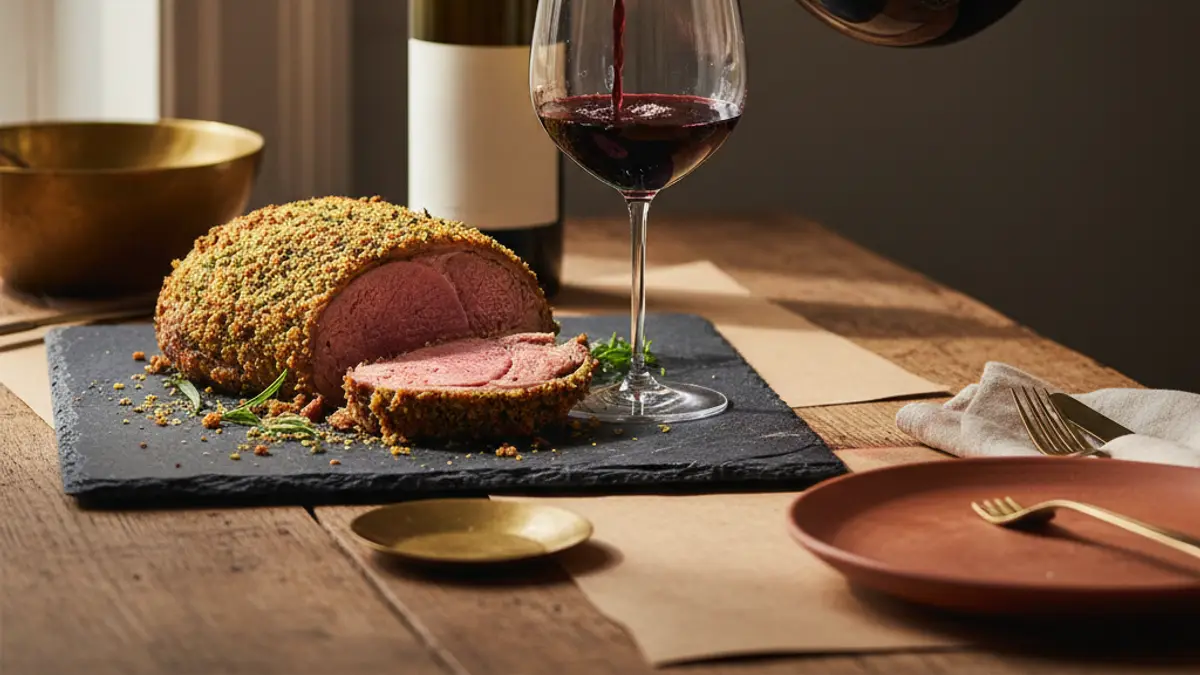
Meals के साथ आज़माने लायक producers: bold BBQ pairing के लिए $30–$50 की d'Arenberg Dead Arm; herb-roasted lamb के साथ $40–$100 की Alban Vineyards Syrah; या celebratory roast beef dinner के लिए $100–$300 की Guigal Côte-Rôtie।
Buying guide: Shiraz या Syrah चुनने का तरीका
shiraz grape wines खरीदते समय पहले अपना उद्देश्य तय करें: तुरंत पीना, short-term cellaring या long-term aging। Label clues मदद करते हैं—region, vintage और producer से style और maturity potential का संकेत मिलता है। Everyday value के लिए $12–$30 range में Australian Barossa या McLaren Vale shiraz देखें, जैसे d'Arenberg या भरोसेमंद supermarket ranges।
Mid-range wines ($30–$100) के लिए single-vineyard या reserve cuvées देखें: Alban Vineyards (California cool-climate Syrah), Qupe (Central Coast Syrah) और Barossa single-vineyard releases। इनमें अक्सर reasonable cellaring potential के साथ complexity होती है। Premium या collectible bottles—Penfolds Grange, Henschke Hill of Grace, Guigal La Landonne—के लिए बड़ा budget ($300–$1,200+ depending on vintage) और सावधानी से storage चाहिए।
खरीदते समय practical checklist:
- Vintage notes देखें: warm years = riper, higher alcohol; cool years = pepper और acidity।
- Oak intensity और tannin की भाषा के लिए tasting notes पढ़ें।
- पुरानी या महंगी vintages के लिए अपने merchant से bottle provenance और storage history के बारे में पूछें।
petite sirah grape के options पर भी विचार करें—यह Syrah से अलग है—अगर आप Turley या Bogle Petite Sirah जैसी dense, tannic, value-driven alternatives चाहते हैं (Bogle ~$10–$20; Turley $35–$70)। आखिर में, बड़ी मात्रा या aged bottles में invest करने से पहले producer की house style जांचने के लिए छोटी purchases करें।
Related grapes, confusions और अंतिम recommendations
Buyers अक्सर shiraz, syrah grape और petite sirah grape को लेकर भ्रमित होते हैं। साफ तौर पर: Syrah और Shiraz genetically एक ही variety हैं; नाम style और origin का संकेत देता है। Petite Sirah एक अलग grape (Durif) है, जिसके छिलके मोटे और tannins अधिक firm होते हैं। Petite Sirah wines—Turley और Bogle आम producers हैं—ज़्यादातर Syrahs की तुलना में अधिक dark और tannic होती हैं।
अन्य आम confusions में Côte-Rôtie में Viognier के साथ co-fermentation (यह बाद में Viognier मिलाने जैसा नहीं है) और blending practices शामिल हैं—Australian producers कभी-कभी balance के लिए थोड़ी मात्रा में Cabernet या Grenache मिलाते हैं। Wines explore करते समय label का region अक्सर style का सबसे अच्छा तुरंत मिलने वाला guide होता है: Barossa = bold Shiraz; Hermitage/Côte-Rôtie = savory Syrah; Central Coast/Paso Robles = stylistic middleground।
अंतिम practical recommendations: casual drinking के लिए $15–$30 की Barossa या McLaren Vale shiraz चुनें; food-focused meals के लिए $30–$80 band में Rhône या cool-climate California Syrah लें; cellaring या collecting के लिए Guigal, Jean-Louis Chave, Henschke या Penfolds की single-vineyard releases को प्राथमिकता दें और उसी के अनुसार budget रखें। Storage को 55°F पर steady रखें और vintages track करें: 2009, 2010, 2015 कई regions में strong years थे, जबकि 2016 जैसे warm vintages riper styles देते हैं।
इन pointers के साथ आप shiraz grape के कई रूपों को समझ पाएंगे और अपने taste, food या cellar goals के मुताबिक wines खोज पाएंगे।
Where to buy
An answer box can tell you which wine to look for. It cannot tell you which shop near you stocks it. These listings carry addresses, published opening hours and a map — 3,172 venues across 60 cities.