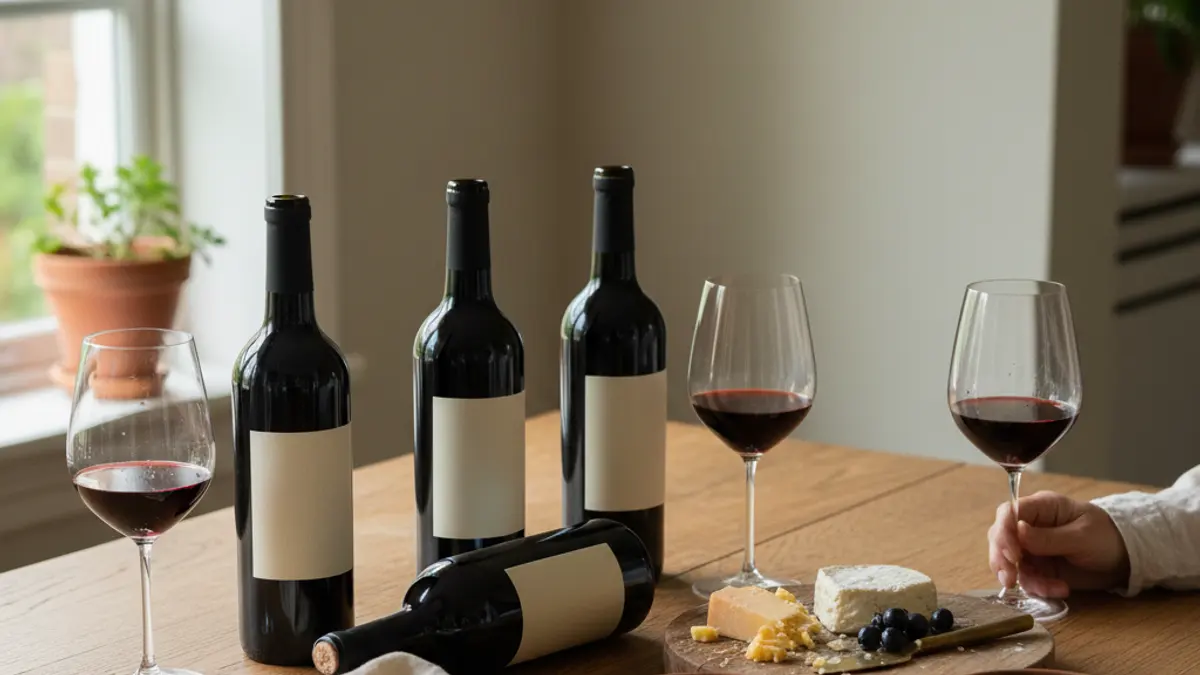
शुरुआती लोगों के लिए अच्छी रेड वाइन क्यों खोजें?
कई नए पीने वालों को रेड वाइन intimidating लगती है, क्योंकि उसमें heavy oak, gritty tannins या ज़्यादा alcohol हो सकता है। शुरुआती लोगों के लिए अच्छी रेड वाइन चुनने से ये रुकावटें दूर हो जाती हैं। Beginner-friendly bottle में साफ़, fruit-forward flavors, moderate acidity और soft tannins होते हैं। आपको तुरंत आनंद मिलता है और आगे explore करने के लिए एक reference point भी।
शुरुआत के लिए ऐसी wines चुनना practical है जिनके labels पर region या variety साफ़ दी गई हो और oak का असर कम हो। उदाहरण हैं: Georges Duboeuf की Beaujolais Villages ($10–18), Erath जैसी Willamette Valley Pinot Noir ($18–30), या Mendoza की basic Catena Malbec ($12–20)। इन wines में भारी structure के बिना characteristic fruit मिलता है, इसलिए ये आसान रेड वाइन के अच्छे विकल्प हैं।
नए पीने वालों के लिए इसका फायदा दोहरा है: अभी आनंद और सीखने का भरोसेमंद रास्ता। किसी approachable Gamay या Merlot को पीने से आप बिना overwhelmed हुए समझ सकते हैं कि acidity, tannin और body स्वाद को कैसे बदलते हैं। इससे अगली बार यह पहचानना आसान होता है कि आपको हल्की, ज़्यादा smooth या अधिक structured red पसंद है और शुरुआती लोगों के लिए सबसे अच्छी रेड वाइन चुनना भी।
शुरुआती लोगों के लिए आसान grape varieties
सभी red grapes समान रूप से approachable नहीं होते। नए पीने वालों को fruit और suppleness के लिए जानी जाने वाली grapes पर ध्यान देना चाहिए: Gamay, Pinot Noir, Merlot, Grenache/Garnacha और Malbec। पहली बार tasting करने वालों के लिए हर variety के अपने अलग फायदे हैं।
Gamay (Beaujolais) अक्सर सबसे आसान होती है: भरपूर fruit, कम tannin और crisp acidity। Georges Duboeuf Beaujolais Villages आज़माएँ या थोड़ी अधिक depth के लिए Morgon जैसी Cru Beaujolais लें; कीमत $10–25 की उम्मीद रखें। Oregon की Willamette Valley (Domaine Drouhin, Erath) या California (La Crema, Meiomi) की Pinot Noir red-fruit perfume और हल्की रेड वाइन का profile देती है—आम कीमत $18–40।
Merlot आम तौर पर smooth red wine होती है: ripe plum और soft tannins; Bordeaux Right Bank labels या $12–30 से शुरू होने वाली affordable California Merlots देखें। Argentina की Malbec, जिसका अच्छा उदाहरण Bodega Catena Zapata है, $12–25 में juicy blackberry और smoky notes देती है और grilled foods के साथ अच्छी लगती है।
- Gamay: Georges Duboeuf, $10–18
- Pinot Noir: Erath, La Crema, $18–35
- Malbec: Catena, $12–20
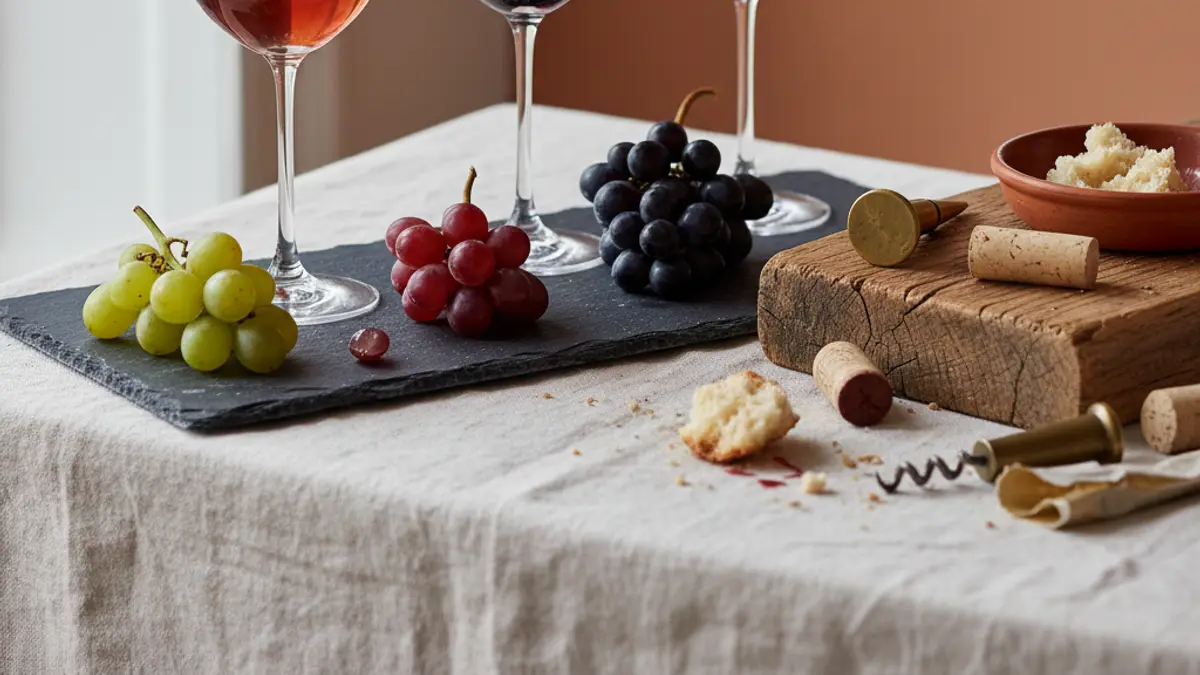
Style समझें: हल्की, smooth और आसान रेड वाइन
हल्की रेड वाइन, smooth red wine और आसान रेड वाइन जैसे terms बताते हैं कि वाइन मुँह में कैसी महसूस होती है। "हल्की" का संबंध body और alcohol से है—Beaujolais या कई Pinot Noirs जैसी wines palate पर कम भारी लगती हैं। "Smooth" soft tannins और integrated acidity का संकेत है; Merlot और कुछ Grenache-based wines इसके उदाहरण हैं। "आसान" में fruity aroma, balanced acidity और short-to-medium finish शामिल हैं।
Structure महत्वपूर्ण है: tannin, acidity, alcohol और oak मिलकर wine को grip देते हैं। Beginners आम तौर पर कम tannin और moderate alcohol (12–13.5% ABV) पसंद करते हैं। उदाहरण के लिए, Bourgogne Rouge (basic Burgundy) या Willamette Pinot में delicate tannin और fragrance मिलती है; Domaine Drouhin या La Crema जैसे producers की bottles की कीमत $20–50 के बीच हो सकती है। इसके मुकाबले Barossa Shiraz (Yalumba या Penfolds Koonunga Hill, $10–20) ज़्यादा full और spicy होगी, लेकिन कुछ examples फिर भी आसानी से पी जा सकती हैं।
Labels पर दिए संकेत देखें: "Crianza" Rioja में अक्सर $12–25 में balanced oak और fruit मिलता है (Marqués de Riscal), जबकि "Reserva" और "Gran Reserva" अधिक structured हो सकती हैं। खरीदते समय younger vintages और minimal new-oak descriptors पूछें, ताकि आप आसान रेड वाइन के दायरे में रहें।
Beginners के लिए practical tasting steps
ध्यान से tasting करने से आपको समझ आता है कि क्या ढूँढना है। इन पाँच आसान steps से शुरुआत करें: देखें, घुमाएँ, सूँघें, चखें और फिर अपने शब्दों में दोहराएँ। रंग को ध्यान से देखें—हल्के shades अक्सर Pinot Noir या Gamay जैसी हल्की रेड वाइन का संकेत देते हैं। वाइन को घुमाने से aromas खुलते हैं; fruit, spice और oak को सूँघें। छोटा sip लें, उसे मुँह में फैलने दें और फिर acidity, sweetness, tannin और finish पर ध्यान दें।
Approachable bottles के साथ practice करें: Georges Duboeuf Beaujolais Villages ($10–18), Erath Willamette Valley Pinot Noir ($18–30) और Catena Zapata Malbec ($12–20)। फर्क समझने के लिए दो wines को side-by-side compare करें: एक Gamay और एक Pinot Noir से tannin और fruit का अंतर साफ़ समझ आएगा। एक छोटी tasting note लिखें: variety, region, sweetness, tannin level और आपको वह पसंद आई या नहीं।
अपनी पसंद को बेहतर समझने के लिए इस routine का इस्तेमाल करें: अगर आपको low grip के साथ red cherry और perfume पसंद है, तो और Pinot Noir या lighter Grenache खोजें; अगर आपको jammy fruit और roundness पसंद है, तो Malbec या warmer-climate Merlot explore करें। नियमित tasting—कुछ हफ्तों में तीन से चार अलग bottles—पहचानने की क्षमता जल्दी बढ़ाती है।
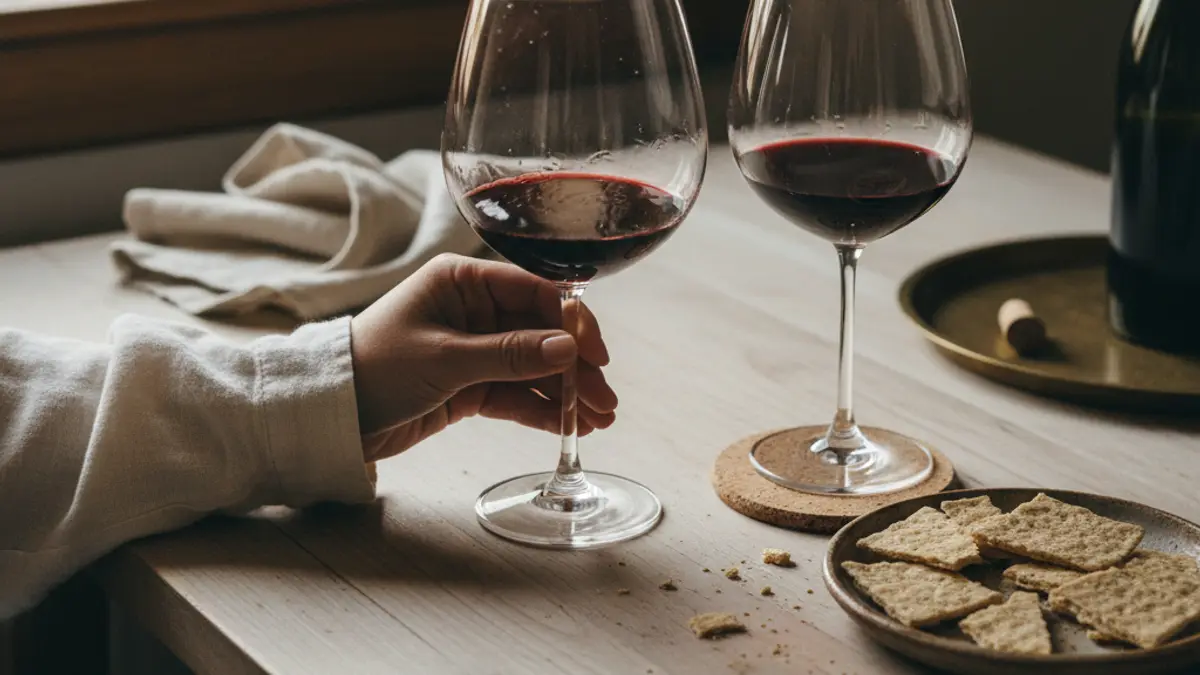
Beginner-friendly red कैसे खरीदें: labels, vintages और budgets
Beginner-friendly red खरीदते समय clarity पर ध्यान दें: जिन bottles पर variety या straightforward region लिखा हो, उन्हें समझना आसान होता है। New-world labels (California, Oregon, Argentina) पर अक्सर front पर grape का नाम होता है; old-world labels (Bordeaux, Rioja) में region पर ज़ोर होता है और उन्हें समझने में थोड़ा अधिक समय लग सकता है। शुरुआत के लिए प्रति bottle $10–30 का budget भरोसेमंद quality के लिए पर्याप्त है।
कई entry-level reds के लिए vintages कम महत्वपूर्ण होते हैं: Mendoza की 2019 या 2020 Malbec (जैसे Catena) या recent Willamette Valley Pinot आम तौर पर young पीने में अच्छी होती है। Rioja के लिए Marqués de Riscal या CVNE की 2016–2018 Crianza या Reserva softness और oak integration देती है—कीमत $12–30 की उम्मीद रखें। $25–50 का ज़्यादा budget special occasions या Domaine Drouhin जैसे classic producer अथवा mid-range Burgundy आज़माने के लिए रखें।
Practical buying tips:
- Price cap तय करें—$15–25 में कई बेहतरीन options मिल जाएँगे।
- Staff से "low-tannin" या "fruit-forward" recommendations माँगें।
- तुलना के लिए दो varietals खरीदें—जैसे एक Gamay और एक Pinot Noir।
Beginner reds को serve, store और pair करना
सही serving temperature और simple pairings से आनंद तुरंत बढ़ता है। Pinot Noir या Beaujolais जैसी हल्की रेड वाइन को 55–60°F पर थोड़ा chilled serve करें। Medium-bodied reds (Merlot, Grenache) 60–65°F पर अच्छी रहती हैं। Storage के लिए जगह ठंडी और temperature स्थिर रखें—short-term cellaring के लिए 55°F और 60–70% humidity ideal है।
Young, आसान रेड वाइन के लिए decanting आम तौर पर ज़रूरी नहीं होती, लेकिन aeration से fuller wines या older bottles खुल सकती हैं। Medium-bodied bottles के लिए 30–60 minute का decant अक्सर पर्याप्त होता है; बड़ी, tannic wines के लिए longer decants रखें। Glassware भी मायने रखता है: versatility के लिए medium-sized red glass और ज़्यादा aromatic या fuller reds के लिए wider bowl इस्तेमाल करें।
Beginners के लिए food pairing tips:
- Gamay/Beaujolais: charcuterie, roast chicken, pizza।
- Pinot Noir: salmon, mushroom dishes, duck (La Crema, Erath)।
- Merlot: roasted pork, tomato-based sauces वाली pasta।
- Malbec: grilled steak या churrasco (Catena Zapata के साथ अच्छी लगती है)।
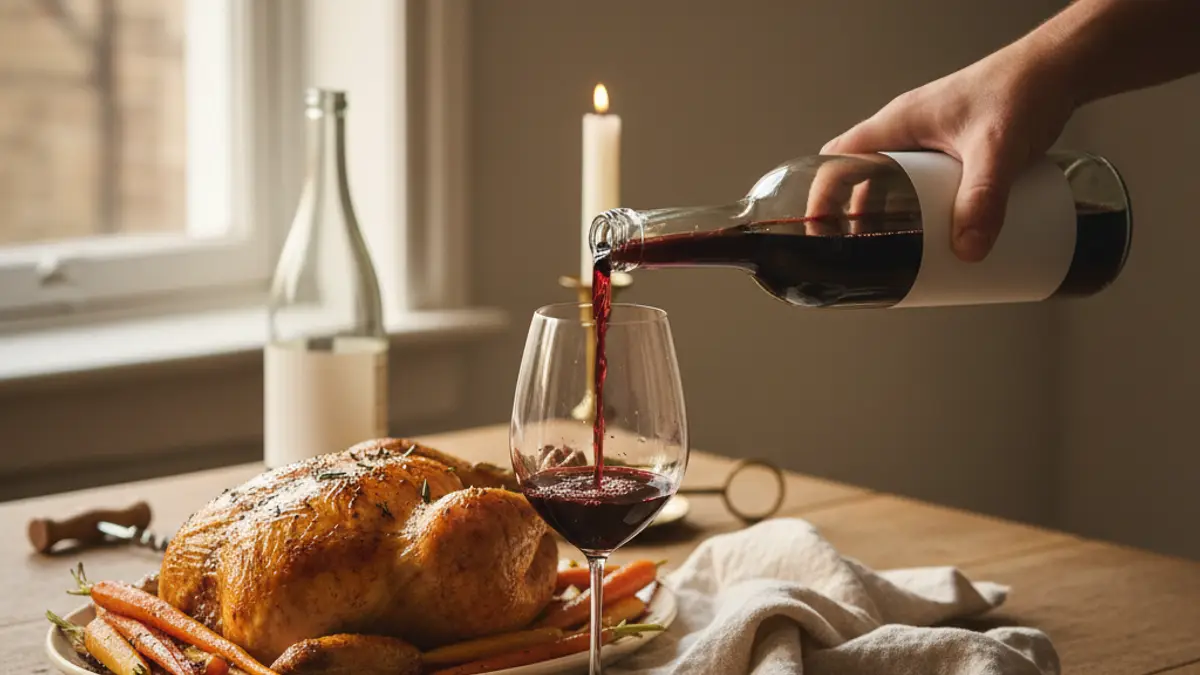
अगले कदम: beginner-friendly reds से आगे बढ़ें
जब आप सहज महसूस करने लगें, तो सोच-समझकर अपना palate विस्तृत करें। हर महीने एक नई style आज़माएँ: Cru Beaujolais (Morgon, Fleurie), Domaine Drouhin की Oregon Pinot, Rioja Reserva (Marqués de Riscal), Grenache-led Châteauneuf-du-Pape या Barossa Shiraz (Yalumba)। यह समझने के लिए कि climate flavor और body को कैसे बदलता है, warm-climate और cool-climate examples की तुलना करें।
Local wine bar में tasting rooms या organized flights पर जाएँ। तीन related wines—एक ही grape, अलग-अलग regions—की tasting से terroir, oak और winemaking के variables समझ में आते हैं। किसी भरोसेमंद retailer के tasting group या wine club से जुड़ें; curated clubs अक्सर ऐसी notes भेजते हैं जो learning को तेज़ करती हैं। Explore करते समय ज़्यादा खर्च की उम्मीद रखें: village Burgundy या premium Napa Cabernets आम तौर पर $40–150 range में होते हैं, जबकि interesting cru Beaujolais या Rioja Reserva अक्सर $25–60 में मिलती हैं।
Simple goals तय करें: हर दो हफ्ते में कम-से-कम एक नई grape चखें, पसंद आए descriptors के साथ notes रखें और एक bottle 2–5 years के लिए cellar में रखें, ताकि बदलाव की तुलना कर सकें। ये steps आपको beginner से confident buyer बनने में मदद करेंगे, जो अपने पसंदीदा specific producers और appellations को पहचानता हो।
शुरुआती लोगों के लिए सबसे अच्छी रेड वाइन कहाँ मिलेगी
अच्छी bottles कई तरह के sellers से मिल सकती हैं। Wine.com और K&L जैसे बड़े online merchants में broad selection और "low tannin" या "easy drinking" के searchable filters होते हैं। Trained staff वाली brick-and-mortar shops personalized suggestions देती हैं; independent shops में अक्सर beginners के लिए curated sections होते हैं। Total Wine और Trader Joe's जैसे retailers भरोसेमंद, budget-friendly staples रखते हैं—everyday drinking के लिए Charles Shaw या store-curated labels देखें।
पहली बार सीखने के लिए Willamette Valley, Mendoza या Beaujolais जैसे regions के winery tasting rooms पर जाएँ। Georges Duboeuf (Beaujolais), Catena Zapata (Mendoza), La Crema (California) और Yalumba (Barossa) जैसे producers accessible labels और tasting experiences देते हैं। Online marketplaces और local wine clubs कम risk के साथ कई bottles sample करने देते हैं।
अंतिम buying tips: "juicy", "plush", "soft tannins" या "fresh fruit" जैसे शब्दों वाली tasting notes पढ़ें, ताकि beginner-friendly red options मिल सकें। अपने food plans और budget के हिसाब से recommendations माँगें—ज़्यादातर shops $10–30 range में तीन bottles सुझा देंगी, जिससे आप ज़्यादा खर्च किए बिना अपनी पसंद खोज सकें।
Where to buy
An answer box can tell you which wine to look for. It cannot tell you which shop near you stocks it. These listings carry addresses, published opening hours and a map — 3,172 venues across 60 cities.