
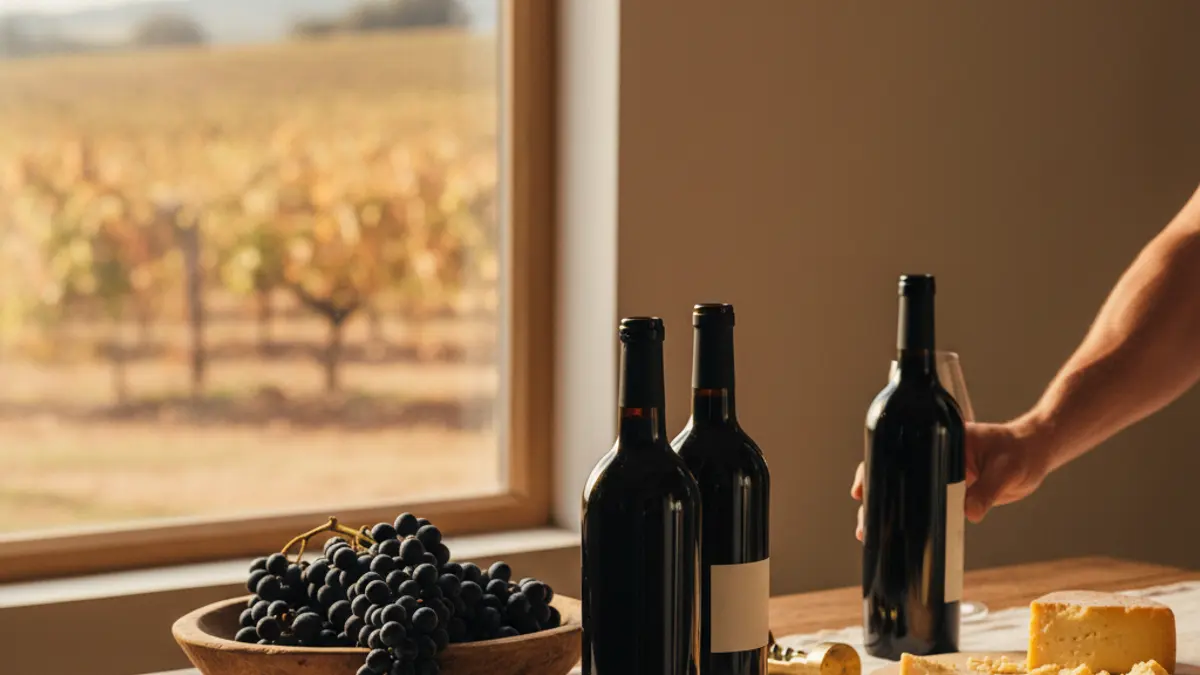
Malbec grape की उत्पत्ति और इतिहास
Malbec का दर्ज इतिहास southwest France के Cahors से मिलता है, जहाँ इसे अक्सर Cot या Auxerrois कहा जाता था। 19वीं सदी तक यह Bordeaux और Cahors में फैल चुकी थी; इसके गहरे रंग और tannic structure के कारण इसे blends में उपयोगी माना जाता था। Phylloxera, कड़ी पाला और mildew ने France में Malbec की plantings घटा दीं, लेकिन Americas ले जाए जाने के बाद यह vine बची भी और खूब फली-फूली भी।
19वीं सदी के मध्य में French agronomist Michel Pouget cuttings को Mendoza लेकर आए, जिसके बाद Argentina इस varietal का दूसरा घर बन गया। Luján de Cuyo और Uco Valley के high-altitude vineyards में तेज धूप और diurnal range ने गहरे रंग और पके फलों वाली Malbecs तैयार करने में मदद की। Catena Zapata और Achaval Ferrer जैसे producers ने 20वीं सदी के आखिर में global market में Malbec Argentina को लोकप्रिय बनाने में बड़ी भूमिका निभाई।
इस बीच Cahors ने अपनी अलग पहचान बनाए रखी: पारंपरिक रूप से rustic, savory और ageworthy। Château du Cèdre और Château Lagrézette आधुनिक उदाहरण हैं, जो दिखाते हैं कि पुराने अंदाज़ का Cahors contemporary winemaking के साथ कैसे काम कर सकता है। आज Malbec अलग-अलग regions में varietal wine और blending grape, दोनों रूपों में मिलती है और अपने रंग, plum character तथा mid-palate weight जोड़ने की क्षमता के लिए पसंद की जाती है।
Viticulture: Malbec grapes कैसे बढ़ती हैं और vine characteristics
Malbec grapes की skin पतली होती है, ये देर से पकती हैं और frost, coulure तथा disease के प्रति संवेदनशील होती हैं। इन्हें गर्म दिन और ठंडी रातें पसंद हैं; diurnal shift sugars को केंद्रित करने और acidity बनाए रखने में मदद करता है। Mendoza में elevation (800–1,500 meters) vines को गर्मी से बचाती है और अत्यधिक alcohol के बिना phenolic ripeness हासिल करने में मदद करती है। Cahors में calcareous clay और limestone soils अधिक tannic और savory styles देती हैं।
Growers vigor को सावधानी से नियंत्रित करते हैं। आम तरीकों में spur pruning, canopy management और green harvesting शामिल हैं, ताकि yields घटें और flavor पर ध्यान केंद्रित हो। High-yielding Mendoza vineyards में cluster thinning का कड़ा schedule diluted wines से बचने में मदद करता है। Salta (Calchaquí Valleys) और Patagonia की sites अलग परिस्थितियाँ देती हैं: Salta की high altitude (up to 3,000m) से बेहद aromatic और fresher wines मिलती हैं; Patagonia का cool climate elegance और peppery notes लाता है।
Clones और rootstocks भी महत्वपूर्ण हैं। Argentine producers Catena और अन्य producers द्वारा लाए गए French clones को प्राथमिकता देते हैं; Cahors में पुराने local selections अब भी मौजूद हैं। Disease pressure और soil type rootstock का चुनाव तय करते हैं: sandy soils में अक्सर deep-rooting stocks उपयोग किए जाते हैं, जबकि clay-rich plots में vigor को संतुलित करने के लिए दूसरे stocks लिए जाते हैं। Growers के लिए Mendoza में 6–8 tons/ha और premium plots में 4–6 tons/ha का लक्ष्य अक्सर quality-to-cost ratio का सबसे अच्छा संतुलन देता है।
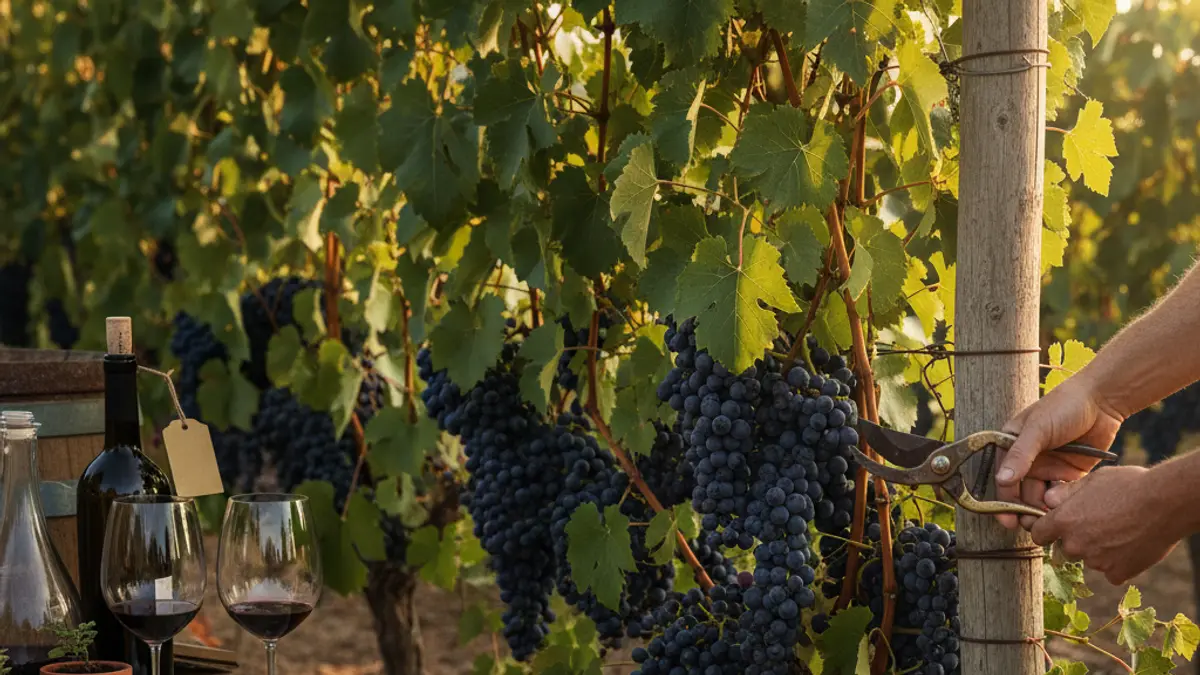
प्रमुख क्षेत्र: Argentina, Cahors और अन्य terroirs
Argentina Malbec का सबसे चर्चित producer है। Mendoza, खासकर Luján de Cuyo और Uco Valley, benchmark styles बनाता है: पके हुए black fruit, soft tannins और floral lift। उल्लेखनीय producers में Catena Zapata (Catena Alta Malbec), Achaval Ferrer (Finca Altamira), Viña Cobos और Bodega Norton शामिल हैं। कीमतें: भरोसेमंद Mendoza blends $12–$25 में मिलती हैं; single-vineyard bottlings की कीमत $40–$120 तक होती है।
Cahors, France एक अलग profile देता है—structured, savory और tannic, जिस पर अक्सर केवल Cahors AOC लिखा होता है। Château du Cèdre और Clos Triguedina जैसे classic producers ageworthy wines बनाते हैं; अच्छी examples के लिए $20–$60 खर्च करने की अपेक्षा रखें, जबकि top cuvées इससे महंगी होती हैं। इस appellation में blend में मुख्य रूप से Malbec होना आवश्यक है और इसमें गहरी मिट्टी, black fruit तथा gamey notes उभरते हैं।
अन्य regions में California (Paso Robles, Napa) शामिल हैं, जहाँ Duckhorn और Viña Cobos की collaborations जैसे producers warmer-style Malbec बनाते हैं; Chile के Maipo और Colchagua में value-driven Malbecs मिलती हैं; Salta, Patagonia और यहां तक कि Australia (Adelaide Hills) में emerging growers अलग expressions आजमा रहे हैं। खरीदते समय altitude, soil और producer history देखें, ताकि style और cellar potential का अंदाज़ा लगाया जा सके।
Winemaking styles: fresh single-vineyard से ageworthy Cahors तक
Winemakers Malbec से कई तरह की styles बनाते हैं। Argentina में कई producers ripe fruit और supple tannins पर ध्यान देते हैं, जिसके लिए early harvests, temperature-controlled fermentation और stainless steel तथा oak aging का मिश्रण इस्तेमाल किया जाता है। Susana Balbo (Crios) और Bodega Norton जैसे producers $10–$25 की approachable Malbecs बनाते हैं, जिन्हें जल्दी पीने के लिए तैयार किया जाता है।
इसके विपरीत, Achaval Ferrer और Catena Zapata जैसे premium houses extended maceration, French oak barrels और careful extraction का इस्तेमाल करते हैं, जिससे structured wines बनती हैं और अच्छे vintages में ये 10–20 years तक age कर सकती हैं। Cahors में परंपरा अब भी long maceration और बड़े oak vessels को प्राथमिकता देती है; tannins को नरम करने के लिए blended bottlings में अक्सर थोड़ा Merlot या Tannat भी शामिल किया जाता है।
Barrel type और toast level अंतिम texture को प्रभावित करते हैं। New French oak spice और silky tannin जोड़ता है; American oak vanilla और अधिक broad sweetness देता है। कुछ producers pure fruit और finer tannins बचाए रखने के लिए concrete eggs या amphorae का उपयोग करते हैं। Technique को समझने के लिए एक युवा Catena Zapata Malbec (2017–2019) और 2015 Château du Cèdre Cahors आजमाएँ, ताकि fruit-forward और savory, ageable expressions की तुलना की जा सके।
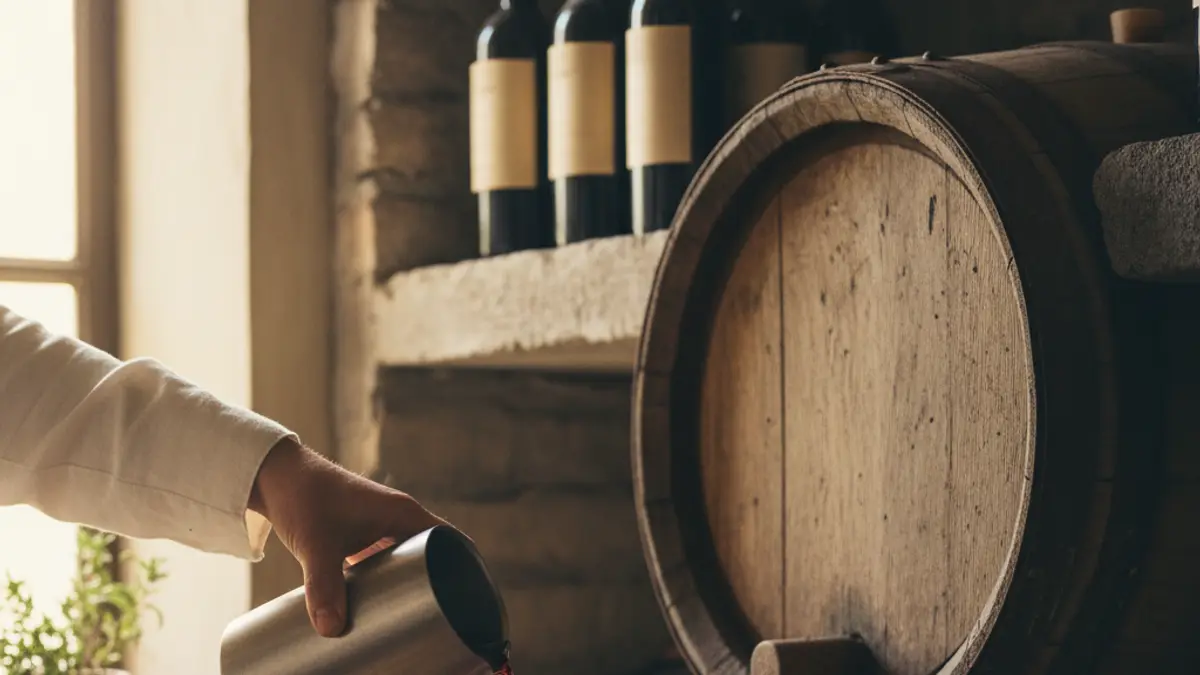
Tasting profile: aromas, palate और aging potential
अनुभवी tasting में Malbec wine के कुछ आम signatures सामने आते हैं: violet, blackberry, plum, black cherry, leather, cocoa और ठंडे sites में अक्सर graphite या iron जैसा edge। Mendoza selections में floral notes (violet) के साथ plush black fruit मिलता है, जबकि Cahors में underbrush, tobacco और अधिक firm tannins दिखते हैं। Extraction और oak use के आधार पर mouthfeel velvety से muscular तक हो सकता है।
Palate पर medium से full body, moderate से high alcohol (13.5–15% in warm sites) और soft या assertive tannin की अपेक्षा करें। Acidity आमतौर पर medium range में रहती है; अच्छी तरह balanced होने पर यह food pairing और ageability में मदद करती है। Young Malbecs को 1–5 years के भीतर पिया जा सकता है; top sites की premium bottlings 10–20 years तक age कर सकती हैं और leather, dried fruit तथा spice जैसे tertiary flavors विकसित करती हैं।
कुछ examples: 2018 Achaval Ferrer Finca Mirador (~$90) में concentration और cellaring ability दिखेगी; 2016 Viña Cobos Bramare (~$65–$110) power और finesse का संतुलन देती है; 2015 Château du Cèdre Cahors (~$35–$70) classic savory ageability पेश करती है। Side-by-side tasting से पता चलता है कि terroir और winemaking Malbec के character को कैसे तय करते हैं।
Food pairing: Malbec के साथ क्या परोसें
Malbec grapes से बनी wines grilled और roasted proteins के साथ अच्छी लगती हैं, क्योंकि इनमें ripe fruit और moderate tannins होते हैं। Classic matches में Argentine asado (beef short ribs, flank steak), lamb chops और smoky spices के साथ grilled pork शामिल हैं। Wine के plum और blackberry flavors char का सामना करते हैं, जबकि tannins palate से fat को साफ करते हैं।
International cuisine के लिए Malbec को इन चीज़ों के साथ आजमाएँ: roasted mushroom risotto, smoky barbecued chicken, chorizo stews और aged Manchego या Comté जैसे hard cheeses। Cahors style अधिक tannic और rustic होती है, इसलिए इसे braised lamb shank, game dishes और mushroom ragù जैसी earthy sauces वाले dishes के साथ परोसें।
Serving temperature और decanting महत्वपूर्ण हैं: full-bodied Malbec को 16–18°C (61–64°F) पर और lighter styles को 14–16°C (57–61°F) पर परोसें। पाँच years से पुरानी structured bottles को 30–60 minutes के लिए decant करें। Fat और spice के साथ pairing में Malbec का fruit और moderate acidity संतुलन देते हैं, जबकि oak-derived spice smoky rubs और peppery sauces के साथ अच्छी तरह मिलती है।
Malbec खरीदने, cellar करने और कीमत की गाइड
Malbec खरीदते समय पहले तय करें कि आपको कौन-सी style चाहिए। Bodega Norton या Trapiche की everyday Mendoza blends $8–$20 में मिलती हैं और weeknight meals के लिए बढ़िया हैं। Catena Zapata या Viña Cobos की mid-range single-vineyard Malbecs $30–$80 की होती हैं और depth, consistent varietal character तथा limited cellaring potential देती हैं। Achaval Ferrer, Catena Alta और Laurent Ponsot collaborations जैसे top-tier producers की reserve cuvées $80–$200 तक की हो सकती हैं।
Collectors vintage, producer और site पर ध्यान दें। अगर आप ageworthy bottles चाहते हैं, तो cooler vintages या high-altitude vineyards (Uco Valley, Altamira) देखें। कई premium Argentine Malbecs के लिए 5–15 years की cellaring window वास्तविक है; proper storage के साथ Cahors अक्सर 15–25 years तक चल सकती है। इन्हें 12–14°C (54–57°F) और 60–70% humidity पर, light और vibration से दूर रखें।
Practical buying tips: risk को diversify करने के लिए reputable merchants से mixed cases खरीदें; library purchase करने से पहले younger releases का sample लें; provenance पर ध्यान दें—clear storage history के बिना बहुत discount वाली older vintages से बचें। K&L Wine Merchants, Vinfolio और local specialty shops जैसे retailers recognized producers रखते हैं और provenance तथा vintages पर सलाह दे सकते हैं।
Blends, clones और संबंधित varieties में Malbec
Malbec अक्सर blends में दिखाई देती है और Merlot, Cabernet Sauvignon, Petit Verdot और यहां तक कि Tannat जैसी varieties के साथ मिलाने से लाभ होता है। Bordeaux-style blends में petit verdot grape color, tannin और peppery spice जोड़ती है; Cabernet Sauvignon structure और longevity देती है। Southern France में mourvedre grape (Monastrell) पास में planted होने या blends में vinified किए जाने पर rusticity और darker spice जोड़ सकती है।
Clonal selection flavor और vigor को प्रभावित करती है। Argentina की plantings में अक्सर 20वीं सदी में लाए गए French clones इस्तेमाल होते हैं; Cahors में thick skins और higher tannin potential वाले local selections अब भी मौजूद हैं। Balance हासिल करने के लिए winemakers अलग vineyard parcels या clones को blend कर सकते हैं—एक parcel aromatic lift के लिए और दूसरा mid-palate concentration के लिए।
Modern experiments में skin-contact white Malbecs, rosé versions और Petit Verdot जैसी varieties के साथ co-ferments शामिल हैं, जो structure देती हैं। अगर आपको Malbec की fruit-forward Argentine style पसंद है, तो single-varietal bottles आजमाएँ; complexity और structure पसंद हो तो blended bottlings या Cahors चुनें, जहाँ Malbec का tannin और earthiness प्रमुख होते हैं।
Shopping recommendations और आजमाने लायक producers
नए drinkers approachable bottles से शुरुआत कर सकते हैं: Bodega Norton Reserva Malbec ($10–$18), Trapiche Oak Cask Malbec ($9–$16) या Susana Balbo Crios Malbec ($12–$20)। ये classic Malbec fruit और value दिखाती हैं। Mid-range exploration के लिए Catena Zapata Malbec Argentino (2016–2019, $40–$90) और Viña Cobos Bramare ($50–$110) आजमाएँ। इनसे altitude और oak influence समझने में मदद मिलेगी।
Cahors का स्वाद लेने के लिए Château du Cèdre Le Cèdre (2014–2017, $30–$70) या अधिक modern style के लिए Château Lagrézette खरीदें। Unique terroir के लिए Salta की Colomé Estate Malbec (Bodega Colomé, $30–$60) खोजें और high-altitude intensity का अनुभव लें। Collectors के लिए Achaval Ferrer Finca Mirador और Catena Alta estate bottlings ageability और vineyard expression दिखाती हैं; tertiary development के लिए इन्हें 8+ years cellar करने की योजना बनाएं।
Sampling करते समय पहले single bottles खरीदें। Local tastings में जाएँ या जहाँ उपलब्ध हों, वहाँ 50–100ml pours खरीदें। अगर कोई producer या vintage पसंद आए, तो short-term development देखने के लिए 3–6 bottle buy पर विचार करें। Tasting notes रखें: vintage, producer, vineyard और 6–24 months में wine के evolution को दर्ज करें, ताकि भविष्य की खरीदारी बेहतर हो सके।
Where to buy
An answer box can tell you which wine to look for. It cannot tell you which shop near you stocks it. These listings carry addresses, published opening hours and a map — 3,172 venues across 60 cities.