
Why salmon is tricky: fat, texture and flavor
Salmon combines high oil content with a pronounced savory profile, which makes it more resilient than lean white fish. The natural oils in salmon amplify richness on the palate; that means a wine needs either enough acidity to cut through the fat or enough body and fruit to match the fish's presence. Think of the pairing as weight and texture alignment rather than strict color rules.
Key pairing variables include: acid level, residual sugar, oak influence and tannin. Acid (from wines like Chablis, Sancerre or a crisp Sauvignon Blanc from Marlborough) cleanses the mouth. Moderate oak in an unoaked-to-lightly-oaked Chardonnay (La Crema Sonoma Coast, $25–$40) adds body without leaving the wine flabby. Tannic reds can clash with oil; choose light, silky reds instead.
Producers and regions to watch for a reliable match include Burgundy (Louis Jadot Bourgogne Rouge), Willamette Valley Pinot Noir (Domaine Drouhin Oregon, Domaine Serene even older vintages), and Chablis (Domaine William Fèvre). These wines exemplify the balance salmon demands: freshness, moderate alcohol and texture that harmonizes with the fish.
- Rule: higher-fat preparations need higher-acid or fuller-bodied wines.
- Rule: smoke or rich sauces favor bolder, sometimes oakier wines.
White wines that reliably pair with salmon
Many diners default to white wine for fish, and with salmon that's often a smart choice. Choose whites with good acidity and medium body to balance the salmon's oiliness. Classic picks include Chablis, unoaked to lightly oaked Chardonnay, and a mineral-driven Sauvignon Blanc.
Chablis (Appellation Chablis, Burgundy) is a top white for salmon because of its steely acidity and flinty minerality. Producers such as Domaine William Fèvre produce Chablis in the $30–$60 range that lift seared salmon beautifully. In cooler vintages (2017–2019), Chablis shows more tension—excellent with lemon-butter sauces.
Unoaked or lightly oaked Chardonnay from Sonoma Coast or Sonoma County—La Crema Sonoma Coast or Ramey Sonoma—offers ripe apple, citrus and texture without heavy new oak. A 2018–2021 La Crema Chardonnay typically retails for $25–$40 and complements pan-seared salmon with herb butter. For a fresher profile, New Zealand and Marlborough Sauvignon Blanc (Cloudy Bay, $30–$40) and Sancerre (Loire Valley) bring zesty citrus and herbal notes ideal for poached or salmon salads.
- Try William Fèvre Chablis with lemon-caper poached salmon.
- Choose La Crema or Ramey Chardonnay for richer, pan-seared fillets.
Pinot Noir and salmon: why it works and when to pick it
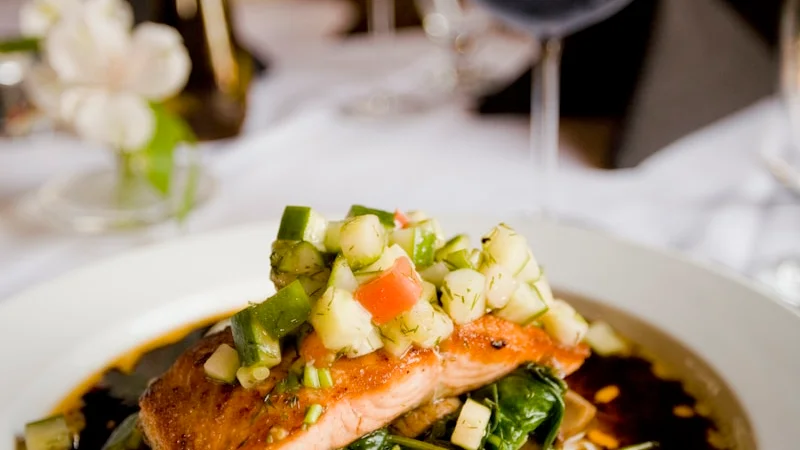
Pinot Noir salmon pairings are now a classic: lighter-bodied reds with low-to-moderate tannin complement salmon's texture without overwhelming it. Pinot Noir brings red fruit, earthiness and floral notes that play nicely with grilled or soy-glazed salmon. Look for cool-climate styles—Burgundy, Oregon's Willamette Valley and cooler parts of Sonoma Coast.
Domaine Drouhin Oregon and Domaine Serene (Willamette and Dundee Hills) exemplify Pinot Noir styles that pair well with salmon. A 2017–2019 Domaine Drouhin or Domaine Serene Pinot usually sits in the $35–$70 range depending on cuvée, and shows the bright cherry, herbal lift and silky tannins that match grilled fish and richer sauces.
In Burgundy, producers like Louis Jadot and Bouchard Père & Fils provide entry-level Bourgogne Rouge ($20–$35) that can be served slightly chilled (55–58°F) alongside salmon. For Asian-influenced preparations—miso, teriyaki—choose an Oregon Pinot with a bit of plush fruit to balance sweet-salty glazes. For simple grilled salmon, a classic Côte de Nuits or Willamette Pinot adds savory complexity without fighting the fish.
- Serve Pinot slightly cool to freshen flavors.
- Match smoky or charred salmon with earthier Pinot styles.
Rosé and sparkling: versatile wines for salmon
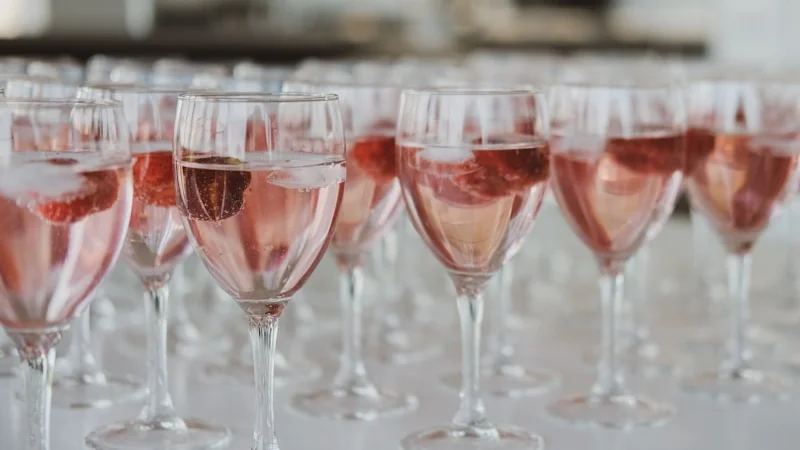
Rosé is a versatile match for salmon because it combines the freshness of white wine with subtle red-fruit character. A dry Provence rosé such as Château d'Esclans Whispering Angel ($18–$25) or a Tavel rosé brings strawberry, citrus and saline notes that pair well with grilled or herb-roasted salmon. Rosé's bright acidity and light tannin make it a crowd-pleasing, food-friendly option.
Sparkling wines also excel with salmon. Champagne—non-vintage Brut from houses like Pol Roger or NV Blanc de Blancs—provides high acidity, gentle autolytic richness and fine bubbles that cleanse the palate after each bite. For budget-conscious choices, a quality Cava or an extra-dry Prosecco (e.g., Mionetto, $12–$18) will lift smoked salmon canapés or richer salmon pâtés.
Think about texture and occasion: sparkling wine pairs beautifully with smoked salmon on blinis, while Rosé is ideal for outdoor meals, salads with citrus vinaigrette or sesame-crusted salmon. Rosé from Bandol or Provence gives a rounder palate, while Tavel (a fuller rosé from the Rhône) holds up to spicy or tomato-based accompaniments.
- Whispering Angel pairs with herb-roasted salmon and Mediterranean sides.
- Champagne or quality Cava for smoked salmon starters and brunch.
Pairing by cooking method: seared, smoked, poached and grilled
Cooking technique changes how salmon tastes and therefore which wine to choose. A quick framework helps: seared or grilled salmon often benefits from wines with some body and complexity; smoked salmon calls for higher acidity and aromatic lift; poached salmon needs delicate wines that won’t overpower the flesh.
For seared or pan-roasted salmon, choose an unoaked or lightly oaked Chardonnay (La Crema Sonoma Coast, $25–$40) or an earthier Pinot Noir from Willamette Valley (Domaine Serene, $45–$80). The wine should support the caramelized exterior while refreshing the palate.
Smoked salmon (lox, cold-smoked) works well with zippy Chablis (Domaine William Fèvre, $30–$60), a crisp Brut Champagne or Sauvignon Blanc from Marlborough (Cloudy Bay, $30–$40). Acid and bubbles cut through the smoke and fat. Poached salmon in a light broth or a beurre blanc sauce prefers leaner, higher-acid whites: Sancerre or Chablis are excellent. For grilled salmon with char and herb rubs, a slightly more structured Pinot Noir or a richer rosé will keep pace.
- Seared: Unoaked Chardonnay or Willamette Pinot.
- Smoked: Chablis or Champagne.
- Poached: Sancerre or light Chablis.
- Grilled: Rosé or cool-climate Pinot Noir.
Sauces, glazes and spices: how they change your wine choice
Sauces and seasonings are often the dominant flavor in a salmon dish, so they should drive wine selection as much as the fish itself. Acidic, citrus or herb sauces call for crisp whites; creamy sauces pair with fuller whites or low-tannin reds; sweet-glazed or Asian-flavored sauces need wines with ripe fruit or slight sweetness to balance.
For a lemon-caper or beurre blanc, select Chablis or a bright Sancerre (William Fèvre Chablis, or Pascal Jolivet Sancerre, $20–$35). With a dill cream sauce try an unoaked Chardonnay or dry Riesling (Kabinet level for delicate sweetness). A soy-miso or teriyaki glaze benefits from a fruit-forward Pinot Noir (Domaine Drouhin Oregon) or an off-dry Gewürztraminer if spice and aromatics are prominent.
When the sauce includes heat—chili, black pepper, harissa—avoid high alcohol and heavy oak; choose rosé or lower-alcohol reds with bright fruit to refresh the palate. If the preparation uses a buttery or nutty sauce, a lightly oaked Chardonnay or a richer Champagne will integrate well, creating a balanced mouthfeel.
- Acidic sauces: Chablis, Sancerre, Sauvignon Blanc.
- Creamy sauces: Unoaked Chardonnay, richer sparkling wines.
- Sweet-salty glazes: Fruit-forward Pinot Noir, off-dry Riesling.
Temperature, glassware and serving tips for salmon wine
Proper temperature and glassware amplify your pairing. Whites benefit from colder service (45–50°F for lighter whites; 50–55°F for fuller-bodied Chardonnays). Pinot Noir and lighter reds are best slightly chilled (55–58°F), which enhances freshness and reduces the perception of alcohol. Sparkling wines should be served well-chilled at 42–48°F.
Use appropriate glassware: a tulip-shaped white glass concentrates aromatics for Chablis and Sauvignon Blanc, while a wider-bowled Pinot glass accommodates delicate Pinot Noir aromas. For sparkling wines, a white wine glass preserves bubbles and aromatics better than a flute. Pour sizes matter: with fish-focused meals stick to modest pours to keep the wine lively through multiple courses.
Decanting is rarely necessary for the lighter wines that pair with salmon. However, a young, reductive Chablis or a tightly wound Pinot may open with 15–30 minutes in the glass. Avoid heavy decanting for delicate bottles. Finally, match the wine to the full plate—sides, sauces and seasoning count as much as the fish.
- Serve Pinot Noir at 55–58°F for best salmon pairing.
- Chill Chablis and Sauvignon Blanc to 45–50°F; sparkling to 42–48°F.
Budget picks and splurge bottles for salmon
Good pairings don't require high cost; smart selection across price tiers gives dependable results. For value whites, consider Petit Chablis or entry-level Chablis from producers like La Chablisienne ($15–$25) or a New World Sauvignon Blanc (Marlborough labels such as Brancott or Kim Crawford, $12–$20). La Crema Chardonnay (Sonoma Coast) at $25–$40 is a consistent mid-range favorite.
On the red side, quality Pinot Noir can be affordable: Louis Jadot Bourgogne Rouge or Willamette Valley entry-level wines (e.g., Erath) commonly retail for $18–$35. These work well chilled with salmon and are forgiving across preparations. For a rosé splurge, Château d'Esclans Whispering Angel is widely available for $18–$25 while higher-tier Bandol rosés reach $30–$50.
If you plan to splurge, seek out a fine Burgundy or an aged Champagne. A village or premier cru Burgundy Pinot (e.g., from Côte de Nuits or Côte de Beaune—Louis Jadot or Bouchard Père & Fils single-vineyard offerings) in the $50–$150 range brings complexity for special-occasion salmon. Vintage Champagne from houses like Pol Roger or Bollinger (vintage cuvées often $75+) adds richness and depth—ideal for smoked salmon canapés or holiday menus.
- Value white: Petit Chablis or Marlborough Sauvignon Blanc, $12–$25.
- Value red: Entry-level Bourgogne Rouge or Willamette Pinot, $18–$35.
- Splurge: Premier cru Burgundy or vintage Champagne, $50–$150+.
Complete menu ideas: building a salmon-centered meal
Designing a meal around salmon lets you create coherent wine progressions. For a light, summer menu: start with a dry Rosé (Whispering Angel) and a simple salad of fennel and citrus, serve grilled salmon with a lemon-herb salsa and finish with a fruit-forward Pinot Noir slightly chilled. This progression keeps acidity and freshness central while introducing subtle red fruit on the main course.
For a richer dinner party menu, begin with Champagne or Cava and smoked salmon canapés. Follow with a light starter—beet and goat cheese salad paired with Chablis (William Fèvre)—then serve pan-seared salmon in a beurre blanc with roasted root vegetables and a companion Pinot Noir from Willamette Valley (Domaine Drouhin). The Champagne cleanses the palate, Chablis supports delicate flavors, and Pinot integrates with the main.
For an Asian-inspired menu featuring miso-glazed salmon, pair with a fruit-forward Pinot Noir or an off-dry Riesling (Kabinet style). Begin with steamed dumplings and a dry Gewürztraminer or dry Riesling to bridge the aromatics, then move to the main with the slightly sweeter Riesling or Pinot that complements umami and soy. Pair sides thoughtfully—citrus, herbs, and char often call for higher-acid wines.
- Summer menu: Rosé starter, grilled salmon, chilled Pinot.
- Dinner party: Champagne, Chablis starter, pan-seared salmon, Willamette Pinot.
- Asian-style: Off-dry Riesling or fruit-forward Pinot with miso salmon.